
What Are the Top Toys 4-Year-Olds Love Most?
Introduction Playtime is an essential component of childhood, playing a sign...

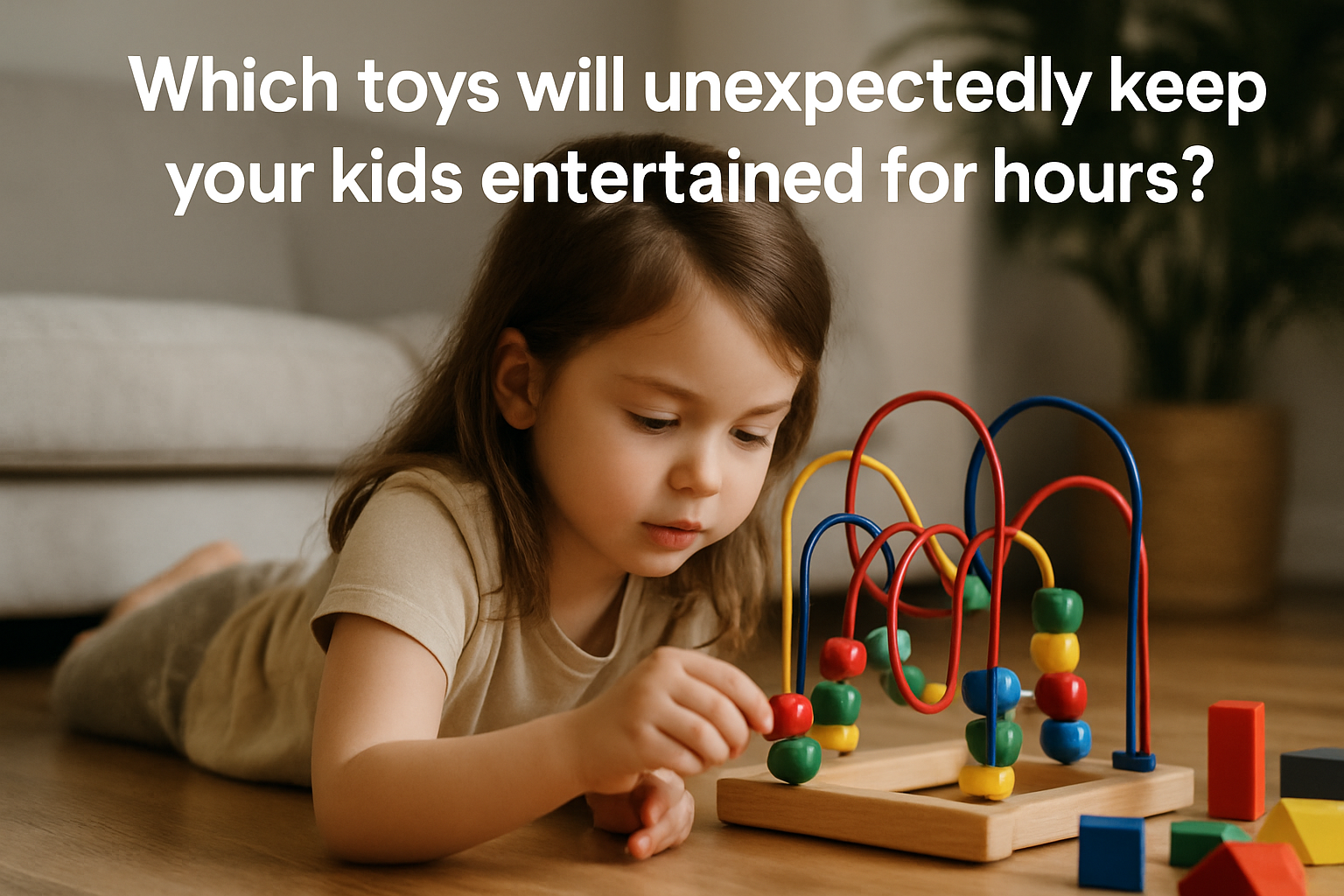

Playtime is an essential component of childhood, playing a significant role in various aspects of development. It fosters creativity, enhances physical abilities, and nurtures emotional and social skills. As children engage in play, they learn to explore their environment, interact with others, and express their individuality. Selecting the right toys can amplify these benefits, transforming everyday moments into opportunities for discovery and growth.
In today’s world, parents often seek toys that not only entertain their children but also encourage imagination and creativity. Selecting toys that promote open-ended play can lead to longer engagement times, as these kinds of toys allow children the freedom to explore their interests without restrictive parameters. Creative toys encourage kids to think outside the box, building scenarios and practices from their imagination that can sustain their engagement for hours on end.
This article will showcase a variety of toys that are particularly effective at capturing children’s interest and keeping them entertained for extended periods. From construction sets to imaginative playthings, these selections are designed to promote not just fun but also educational experiences that spur cognitive and emotional growth. As we delve into the list of engaging toys, we'll highlight what makes them successful at keeping kids happily occupied.
Parents are always on the lookout for toys that can captivate their children's attention while promoting learning and creativity. Engaging toys like magnetic tiles and play dough are favorites among parents due to their ability to provide endless hours of entertainment. These types of toys not only keep children busy but also encourage them to use their imagination and develop fine motor skills. Parents have observed that such toys foster creativity, allowing kids to construct various shapes and models, which also aids in cognitive development.
To maintain a fresh and exciting play environment, many parents suggest rotating toys regularly. This practice prevents boredom and keeps children engaged with their toys. By introducing new toys or switching out old ones for a period, parents find that their children are more interested and excited to play. This strategy not only sustains children's interest but also encourages them to revisit skills they may have learned previously, reinforcing their learning through play.
In addition to captivating toys, there are other popular favorites that effectively stimulate a child's imagination. Marble toys, kinetic sand, and building sets are among these recommendations. These items allow children to engage in open-ended play, which is essential for their development. Such toys encourage kids to experiment, create, and explore, all while enhancing their creativity and critical thinking skills. Parents appreciate that these types of toys can be used in various ways, making them versatile additions to any play chest.
Open-ended toys significantly impact their ability to keep children busy for extended periods. These toys allow for a wide range of play scenarios and narratives, granting children the freedom to explore their ideas and interests. Parents note that open-ended play fosters problem-solving skills as children navigate through their imaginative worlds. This form of play also nurtures emotional growth, as kids express their thoughts and feelings through their creative endeavors. By providing a mix of engaging and imaginative toys, parents can create a stimulating environment that supports their children's holistic development.
Acknowledging the significance of innovative toys in child development is essential. Toys serve as powerful tools that facilitate learning during formative years. They provide not just entertainment but also foster creativity, emotional growth, and cognitive skills. Engaging with toys helps children explore different concepts and ideas, encouraging them to think critically from a young age. In a world that increasingly values innovation and problem-solving skills, having the right types of toys can significantly influence a child's early development.
Exploring how toys enhance creativity and learning is equally important. Innovative toys often introduce complex concepts in a playful manner. For example, construction toys can teach basic engineering principles, while art supplies encourage self-expression. Such toys allow children to experiment, make mistakes, and learn from them in a safe environment. The ability to manipulate objects and engage in imaginative scenarios helps to develop problem-solving skills, thereby laying the groundwork for lifelong learning.
Transitioning to the specifics, some of the top innovative toys reflect various aspects of creative learning. Magnetic tiles and blocks, for instance, promote geometric learning and stimulate the imagination. These toys allow children to build various structures, exploring concepts like symmetry and balance. Classic building sets also inspire imaginative building, offering limitless possibilities for creativity while reinforcing spatial awareness and fine motor skills. Such toys not only entertain but also educate, showcasing the dual role that innovative toys play in child development.
Moving forward, play silks and scarves are another category that provides versatile imaginative play. Their simple design opens the door to countless scenarios, encouraging storytelling and role-play. Children can transform these materials into anything from capes to rivers, fostering creativity and enhancing narrative skills. Similarly, plain wood blocks support spatial awareness and encourage independent play, offering an open-ended experience that is both enriching and enjoyable.
Realistic toy animals contribute to imaginative play as well as wildlife education. These toys stimulate curiosity about nature and living creatures, integrating learning with play. Children can create their own ecosystems and narratives, enhancing empathy and understanding of the natural world around them. Likewise, mini toy vehicles foster creative engagement. They allow children to explore concepts like movement and transport, enhancing motor skill development as they navigate their imaginative landscapes.
Overall, the availability of innovative toys provides opportunities for growth, creativity, and learning. Whether through building, storytelling, or imaginative play, these toys have a profound impact on a child's development, making them an invaluable asset in both educational settings and home environments.
Independent play is a vital component of child development, fostering skills that contribute to a child’s overall growth. It refers to the ability of children to engage in play without direct adult involvement, allowing them to explore and create on their own. This type of play is not only crucial for developing autonomy but also plays a significant role in building a child’s self-confidence. Children who regularly engage in independent play learn to make decisions, establish their own play scenarios, and adapt to challenges without reliance on adult intervention.
Moreover, the benefits of independent play extend beyond immediate engagement. During such play, children hone essential problem-solving skills as they navigate obstacles and devise solutions. It encourages them to think critically, enhancing their ability to approach tasks creatively and, in turn, fostering innovation. Engaging independently fosters resilience; children learn to cope with failure—an important aspect of their emotional development. Thus, allowing time for independent play is integral to nurturing a well-rounded individual.
To support independent play, it is beneficial to provide children with toys that encourage creativity and exploration. Open-ended toys are especially effective as they allow children to shape their play experiences. These toys do not dictate a singular outcome; instead, they invite children to dream and innovate, making their playtime rich and diverse. The design of these toys nurtures a child's imagination, providing them with the scope to envision various scenarios and solutions, which aligns perfectly with the principles of independent play.
Open-ended toys are an excellent tool for promoting independent play. They offer diverse possibilities that ignite creativity and encourage exploration. For instance, magnetic tiles can lead to an infinite variety of structures and designs, engaging a child's curiosity and problem-solving skills. With these tiles, children experiment with balance, symmetry, and spatial reasoning, all while immersed in self-directed play.
Another category of open-ended toys comprises building blocks. These encourage extended engagement, as children can build simple structures one day and complex designs the next. The versatility of building blocks allows children to adapt their play based on their evolving interests and skills. This kind of sustained engagement is essential as it correlates with deeper learning and creative confidence. When children create their structures, they not only express their thoughts and ideas but also learn to collaborate with others as they share their creations or seek feedback.
Play silks provide a unique addition to the open-ended toy category. Their soft, flowing material can transform into anything from capes to rivers, firing up the imagination of any child. The sensory experience of handling silks enhances tactile awareness, while the endless role-playing scenarios cultivate creativity. Through these imaginative games, children develop narrative skills and experiment with various roles, deepening their ability to engage with the world around them. Together, these types of toys not only support independent play but also play a significant role in shaping a child's development across various domains.
Toys play a significant role in a child's cognitive development by fostering essential skills such as critical thinking and problem-solving. Through engaging with various toys, children are encouraged to explore, experiment, and discover. For instance, puzzles and building blocks require kids to think creatively and devise strategies, enhancing their analytical capabilities. The process of manipulating objects not only stimulates their intellect but also offers a sense of achievement upon overcoming challenges, laying the groundwork for lifelong learning.
Moreover, research supports the idea that greater engagement with fewer toys leads to more profound cognitive growth. When children have the opportunity to interact deeply with a limited selection of toys, they can explore their possibilities more thoroughly. This focused playtime encourages them to use their imagination, leading to improved focus and sustained attention. Rather than overwhelming children with options, a curated selection of toys enables more meaningful interactions and promotes deeper thinking, nurturing a child's ability to engage with complex concepts as they grow.
Active participation in play also spurs curiosity and encourages children to ask questions. The open-ended nature of many toys invites exploration and experimentation, fostering a mindset that's conducive to learning. As children navigate different scenarios and solve problems, they develop resilience, learning that mistakes are a part of the learning process. This understanding forms the foundation for intellectual growth and future academic success.
The role of toys in facilitating physical development is equally significant. Active toys, such as balls and climbing equipment, are essential for improving motor skills and coordination. These toys encourage movement, which is crucial for developing both gross motor skills, such as running and jumping, and fine motor skills, such as grasping and manipulating smaller items. As children engage in physical play, they strengthen their muscles, improve balance, and develop hand-eye coordination. All these skills are vital not just for play but also for everyday activities as they grow.
In addition to promoting skill enhancement, active play significantly contributes to a child’s overall health. Engaging with toys that encourage physical activity helps lower the risk of obesity by encouraging outdoor play and exercise. With rising rates of sedentary lifestyles among children, toys that stimulate active play become increasingly important. When children are motivated to play outside, they are more likely to engage in activities that promote better physical health, enhancing their well-being and reducing the sedentary time that is increasingly common in modern life.
Furthermore, physical play has been shown to have developmental benefits beyond the immediate physical improvements. Social aspects of play, such as playing games with peers, promote cooperation and teamwork, fostering a sense of community and belonging. This combination of physical health benefits coupled with social skills development provides a holistic approach to childhood development, making active toys an essential element of learning during these formative years.
Toys also serve a critical function in emotional and psychosocial development. They facilitate social interaction among children, helping them to learn empathy, cooperation, and emotional regulation. When children play with others, they learn to share, negotiate, and resolve conflicts, vital social skills for their interpersonal relationships. Toys that require teamwork, such as group games, encourage communication and help children express their feelings in a healthy and constructive manner.
Role-playing toys, in particular, contribute significantly to children's social understanding. These toys allow children to act out different scenarios, fostering imagination and providing them with a safe space to explore different emotions and social roles. This type of play encourages empathy as children learn to put themselves in someone else's shoes and understand diverse perspectives. As they navigate social situations during play, they gain insights essential for emotional intelligence, which will benefit them throughout their lives.
Furthermore, the act of playing with toys can serve as a tool for emotional regulation. Children often mirror their own experiences through play, using toys to express emotions they might not yet have the vocabulary to articulate. For example, a child may use action figures to act out a stressful situation, allowing them to process feelings of fear or anxiety in a secure environment. This safe exploration of emotions not only aids in emotional development but also equips children with the necessary skills to handle real-life challenges more effectively.
Toys play an integral role in supporting linguistic development, particularly during playtime. Engaging with various toys can help children with language acquisition by providing opportunities to learn and practice new vocabulary in context. As they interact with different toys, children have the chance to explore descriptive language and practice using new words, enhancing their communication skills. Play scenarios that involve dialogue, whether through storytelling or collaborative games, are especially powerful in building a child's lexicon.
Furthermore, storytelling often accompanies many types of play, such as puppet shows or playsets that encourage narrative creation. The act of telling stories fosters imagination while simultaneously enhancing vocabulary development. As children narrate their play experiences, they learn to structure sentences, understand sequencing, and develop a comprehension of language that is both expressive and receptive. This form of play not only enhances creative thinking but also improves literacy skills, laying a strong foundation for future academic success.
Interaction during play also presents a unique opportunity for caregivers to model language. When adults engage in play with children, they can introduce new vocabulary and elaborate on the language used, which helps children to learn conversational skills in a natural setting. This reciprocal interaction enriches the learning experience, fostering a dynamic that is beneficial for linguistic growth. Thus, the presence and nature of toys, when integrated with verbal interaction, provide essential avenues for young children to increase their language abilities, making play an invaluable component of their early development.
When it comes to keeping children engaged, the right toys can make all the difference. Children thrive on creativity and exploration, and some toys offer these elements in abundance. Among the most popular categories are magnetic tiles, building blocks, and play silks. These toys not only provide entertainment but also support cognitive development and imaginative play.
Magnetic Tiles
Magnetic tiles have gained significant popularity due to their educational benefits and creative potential. These colorful, geometric shapes allow children to build anything from simple structures to complex designs, promoting imaginative play and problem-solving skills. As kids snap the tiles together, they engage in spatial reasoning, learning about balance and structures without even realizing it. This form of play encourages them to think critically and experiment, as they determine which shapes work best together to create their visions.
In addition to creativity, these tiles foster teamwork and collaboration when children play together. They learn to share ideas, compromise on design decisions, and work as a team to complete projects. By engaging in such cooperative play, children enhance their social skills while exploring the fascinating world of geometry and architecture through hands-on activities.
Building Blocks
Building blocks are a classic toy that has stood the test of time and continues to be a favorite among children. They come in various shapes, sizes, and materials, making them incredibly versatile. These blocks encourage imaginative construction, allowing children to create whatever they envision. From towering castles to intricate vehicles, the possibilities are endless.
Playing with building blocks helps children develop fine motor skills and hand-eye coordination as they manipulate the pieces. The act of stacking, balancing, and aligning blocks requires focus and dexterity, reinforcing essential skills that contribute to overall physical development. Moreover, the open-ended nature of building blocks allows for experiential learning, where children explore concepts such as gravity, symmetry, and stability through trial and error as they build and rebuild their creations.
Play Silks
Another excellent category of toys is play silks, known for their versatility and rich potential for creative play. These lightweight, colorful fabrics can be transformed into anything a child's imagination conjures—from capes and costumes to scenery such as oceans or forests. The fluidity and softness of play silks encourage sensory exploration, as children delight in the textures and colors during playtime.
Beyond their role in dress-up and narrative play, play silks also promote cooperative interactions. Children can work together to create their scenarios, developing storytelling skills and encouraging friendships. They find joy in using their imagination to bring stories to life, further enhancing their cognitive and social development. The simplicity of play silks provides a beautiful contrast to many electronic toys, emphasizing the value of open-ended play where children can make their own rules and stories.
In summary, toys like magnetic tiles, building blocks, and play silks are exceptional tools for endless entertainment and learning. They nurture creativity, foster social interactions, and develop critical thinking skills, making them essential additions to any child's playtime repertoire.
When it comes to selecting toys that can effectively retain a child’s interest over the long haul, several criteria come into play. Understanding these factors can lead to more thoughtful purchasing decisions and ultimately enhance a child's play experience, contributing to their development and creativity.
First and foremost, the durability of materials is paramount. Toys made from robust and non-toxic materials are less likely to deteriorate with regular use, ensuring they can withstand the rigors of daily play. Parents often appreciate toys that stand the test of time, as these can be passed down to younger siblings or even friends, enhancing their value. High-quality materials not only contribute to longevity but also ensure safety during play. By investing in toys that are constructed from durable resources, caregivers can achieve peace of mind, knowing that their children can enjoy them without the constant worry of breakage or wear.
In addition to durability, the design of the toys plays a significant role in promoting open-ended play. Timeless designs that encourage creativity and imagination allow children to engage with the toy in multiple ways. Unlike toys that follow current trends, those with simple yet versatile designs enable kids to explore various scenarios, invent stories, and develop problem-solving skills. Such open-ended toys can foster a child's curiosity and adaptability, allowing them to derive new uses and meanings from their play experiences as they grow.
Lastly, considering toys as an investment in quality can lead to sustained engagement. Quality toys may come with a higher upfront cost; however, the enduring play value they provide often outweighs the initial expenditure. When children are provided with thoughtfully designed toys that encourage creativity and adaptability, they are more likely to engage with them over extended periods. This sustained interest can result in enriching play experiences that contribute to cognitive and social development. Rather than frequently replacing low-quality toys, investing in high-quality options can lead to a more meaningful play experience that grows alongside the child's developmental needs.
By focusing on the durability of materials, timeless design, and quality investment, caregivers can navigate the toy-selection process with confidence, ensuring that the items chosen not only entertain but also support the child's growth and creativity for years to come.
Discovering innovative toys often feels like searching for hidden treasures. These under-the-radar toys can spark creativity and imagination in children, elevating playtime to more than just entertainment. Innovative games, such as those that include music mixing or unique playsets, captivate young minds by allowing them to explore new concepts and storytelling methods. Children are naturally curious, and toys that encourage experimentation and creative expression can significantly enhance their learning experiences.
In addition to innovative games, educational toys play a vital role in children’s development while ensuring that learning remains fun. These toys can encompass a range of activities, encouraging everything from basic math skills to critical thinking through play. When children engage with toys that combine fun and education, they don't just learn; they acquire skills effortlessly, laughing and creating as they go. Whether it’s building complex structures or solving puzzles designed to challenge their minds, educational toys provide avenues for growth and understanding that standard leisure activities may lack.
Moreover, under-the-radar toys often access themes and concepts not typically represented in mainstream products. These toys can promote inclusivity, diversity, and exploration of various cultures, which is crucial in today’s interconnected world. By playing with toys that reflect diverse experiences and perspectives, children develop empathy and a broader worldview. Thus, the charm of these hidden gems is not solely in their novelty; it lies in their ability to help children learn about the world while enjoying themselves. By focusing on these unique, creative, and educational toys, parents and caregivers can nurture children’s development in a holistic and engaging manner, establishing a foundation for lifelong learning.
Finding toys that keep children engaged while minimizing noise can be a challenge. However, the right quiet toys not only entertain but also foster independent play and creativity. Quiet toys can be a parent’s best friend, allowing for moments of peace while children explore their imaginations.
One excellent category of quiet toys is building blocks. These toys provide endless opportunities for independent play and creativity. Children can spend hours constructing various designs, from simple structures to complex buildings. Playing with building blocks helps develop fine motor skills, hand-eye coordination, and spatial awareness. As little ones manipulate the blocks, they learn about balance and gravity while also encouraging problem-solving as they figure out how to create stable towers or structures.
Imaginative play is another vital aspect of child development, and imaginative sets offer a perfect outlet for this type of exploration. These sets can range from play kitchens to dollhouses, providing children with the tools they need to create their own scenarios. Engaging in role-playing with these sets promotes cognitive development by enhancing creativity and storytelling abilities. Children learn to collaborate and communicate with their peers or family members during group play, helping them develop essential social skills.
Art supplies also play a significant role in keeping kids entertained quietly. Tools like colored pencils, markers, and sketchbooks allow for mess-free creative expression. Unlike paint, these supplies can be easily managed and offer a great way for children to practice their artistic skills without making a mess. Encouraging artistic activities promotes emotional expression and can serve as a calming activity for children. As they focus on drawing or coloring, they develop concentration and mindfulness, providing a valuable break from the busyness of everyday life.
Incorporating a variety of these quiet toys into playtime can provide children with the opportunity to learn and grow while keeping the noise to a minimum. With building blocks, imaginative play sets, and art supplies, kids can remain entertained for hours, exploring their creativity and developing essential life skills along the way.
Selecting engaging and versatile toys is fundamental in fostering a positive play experience for children. Toys that capture a child's interest can spark imagination and facilitate learning through interactive play. When parents make thoughtful choices about toys, they set the stage for creative exploration, problem-solving, and social interaction. Engaging toys not only entertain but also stimulate cognitive development, helping children build essential skills in areas such as language, fine motor coordination, and emotional intelligence. The selection process should also consider the age-appropriateness and adaptability of toys, ensuring they can grow alongside a child's changing preferences and abilities.
Moreover, rotating toys is a powerful strategy for maintaining children's interest and engagement over time. By regularly introducing different selections, parents can refresh the play environment and keep the experience exciting for their kids. This practice can make previously overlooked toys seem new again, reigniting curiosity and creativity. It also encourages children to take ownership of their play, as they learn to explore various ways to interact with their resources. Through this method, children develop a more profound appreciation for their items, learning to explore divergent play paths that foster critical thinking and imaginative scenarios.
Toys that promote creativity are particularly beneficial for keeping children entertained for extended periods. Creative toys, whether they are building blocks, art supplies, or imaginative role-play sets, inspire kids to express themselves and construct their own narratives. Engaging with these types of toys can occupy them for hours, as they build, draw, or enact myriad scenarios that reflect their thoughts and feelings. Parents who focus on providing these opportunities create an environment where playtime is not just about entertainment but also about crucial developmental benefits. By prioritizing creativity in their toy selections, parents equip children with the tools they need for personal expression and innovation that can last a lifetime.



Introduction Playtime is an essential component of childhood, playing a sign...
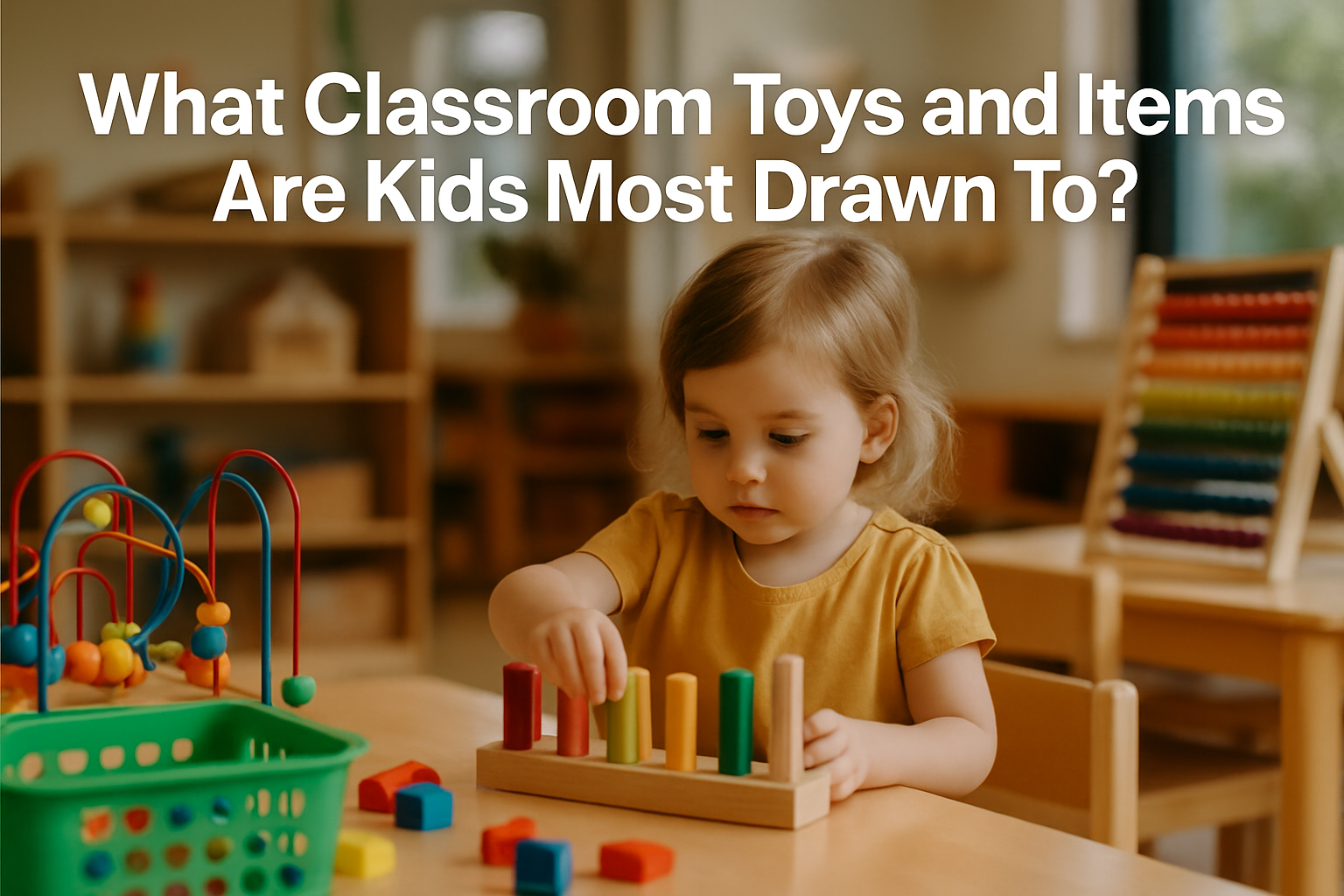

Introduction Playtime is an essential component of childhood, playing a sign...