

Which Classroom Items and Toys Do Kids Love Most?
IntroductionWhy Classroom Toys MatterThe importance of classroom toys cannot ...

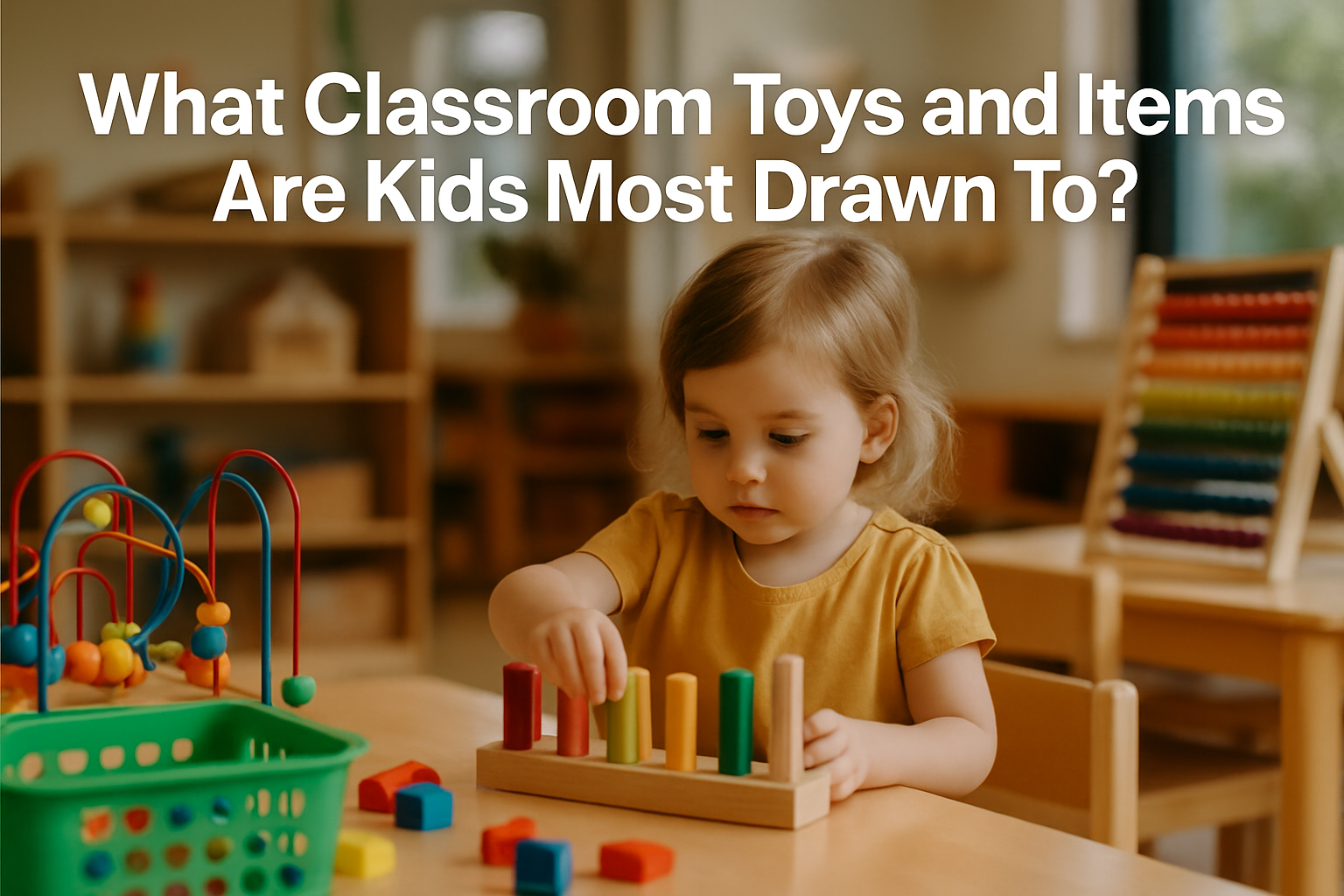

The importance of classroom toys cannot be overstated, especially when it comes to the development of preschoolers. Play is not merely a leisure activity; it is a vital component of childhood development that fosters cognitive, social, and emotional growth. Engaging in play allows children to explore their environment, test their ideas, and develop essential life skills. During these formative years, children learn through hands-on experiences, making toys a significant part of their educational journey.
Educational toys present unique benefits in learning environments by enhancing creativity and critical thinking. For instance, toys that promote building and construction stimulate problem-solving abilities, while those that encourage role-playing allow children to practice social scenarios. This interaction with educational toys can significantly enhance a child's understanding of basic concepts such as numbers, shapes, and colors, laying the foundation for future academic success. Thus, incorporating a variety of educational toys in classrooms is essential to create an engaging learning experience.
Additionally, the significance of play extends beyond cognitive benefits and into children’s social development. Through play, children learn to communicate, collaborate, and resolve conflicts with their peers. This frequently occurs in dynamic group settings where toys serve as both a medium for expression and a means of interaction. By fostering these vital social skills, classroom toys prepare children not just for academic challenges but also for meaningful relationships later in life.
In summary, classroom toys are essential tools in promoting play, supporting cognitive development, and enhancing social skills. Their role in early education sets the stage for children's lifelong learning and interpersonal relationships, emphasizing the need for thoughtful selection of toys in educational settings.
Toys play a vital role in shaping young minds, especially in classroom settings. They are not just an avenue for entertainment but also serve educational purposes. Among the types of toys, educational gift sets and construction toys have gained popularity for their roles in promoting developmental milestones and encouraging creativity.
Educational gift sets are specifically designed for toddlers, catering to their developmental milestones. These sets often include a variety of toys that stimulate cognitive growth, such as puzzles and manipulative games. By engaging with these toys, children learn essential skills, including hand-eye coordination and problem-solving. The appeal of these sets lies in their ability to provide engaging learning experiences that toddlers can explore independently or in group settings.
On the other hand, construction toys such as large building blocks and brain flakes promote creativity and fine motor skills. These types of toys invite children to experiment with design and structure while improving their dexterity. As kids stack, connect, and balance different pieces, they not only have fun but also lay the groundwork for understanding basic engineering and architectural concepts. The process of creating with these toys can be incredibly fulfilling, tapping into innate curiosity and imagination.
STEM toys have increasingly become a focal point in educational environments. These toys encompass Science, Technology, Engineering, and Mathematics concepts, with categories ranging from robotics kits to science experiment sets. They are designed to spark interest in these critical subjects from an early age. Children are drawn to STEM toys because they provide hands-on experience and engage them in active learning, making abstract concepts more tangible and accessible.
The impact of STEM toys extends beyond mere entertainment. Research indicates that engaging with these types of toys can significantly boost children's problem-solving abilities and critical thinking skills. As they experiment and face challenges, they learn resilience and the importance of trial and error. This interactive approach not only enriches their understanding of the academic subjects involved but also fosters a love for learning that can have lifelong benefits.
Imaginative play toys are another essential category in the classroom. Items like kitchen sets and animal figures encourage role-playing, providing opportunities for children to develop social skills and teamwork. These toys allow children to mimic real-life scenarios, fostering empathy and communication. Through role-playing, kids learn to navigate relationships and negotiate, skills that are critical for their personal and social development.
In addition to kitchen sets, dolls and action figures are incredibly popular, inviting diverse imaginative play scenarios. Children create stories around their favorite characters and engage in elaborate narratives, honing their creativity in the process. This type of play is vital for cognitive development, promoting language skills and emotional intelligence. By immersing themselves in different roles, children expand their understanding of the world around them and build confidence in expressing their thoughts and feelings.
Art supplies form an integral part of classroom dynamics, with a wide range of resources popular among educators and students alike. Basic supplies such as markers, crayons, and modeling clay offer diverse creative outlets for children. These tools allow students to express themselves visually, which is particularly beneficial for those who may struggle with traditional forms of communication. Engaging in artistic activities not only enhances fine motor skills but also fosters critical thinking and problem-solving as children make choices about colors, shapes, and designs.
The benefits of creative activities extend to emotional well-being as well. When children engage in art, they often experience a sense of accomplishment and pride, which can enhance their self-esteem. Moreover, collaborative art projects can strengthen bonds among peers, creating a supportive environment for sharing ideas and constructive feedback. As they explore different mediums and techniques, children learn patience and persistence, valuable traits that can influence their approach to challenges outside the classroom.
Games and puzzles represent another significant area of popular classroom toys. Puzzles are particularly valuable as they come in various types that cater to different age groups and developmental stages. They aid in problem-solving and engagement, encouraging children to think critically about how pieces fit together. As students work through challenges, they gain insights into spatial reasoning and logical thinking while nurturing a sense of accomplishment once they complete a puzzle.
Board games also play an essential role in facilitating social skills in classroom settings. Many board games are designed to teach patience and turn-taking, life skills that are crucial for interacting positively with others. Through these games, children learn about rules and fair play, which helps them develop emotional regulation and cooperation. The interactive nature of board games fosters a sense of community and teamwork, making them a cherished addition to any classroom.
Free choice time is a vital component of early childhood education, allowing children the liberty to explore their interests and preferences in a structured environment. During this time, children select activities that appeal to them, fostering a sense of autonomy. It is essential for educators to create a supportive environment where children feel comfortable making choices. This not only promotes engagement but also nurtures a love for learning. When children choose activities, they take ownership of their learning experiences, which can lead to deeper understanding and retention of knowledge.
The importance of free choice time extends into the development of decision-making skills. As children navigate their options, they are encouraged to weigh the pros and cons of various activities. This process builds critical thinking skills as they assess their preferences and determine which options align with their interests. Moreover, the experience of making independent choices boosts their confidence, empowering them to trust their instincts and capabilities. Such skills are foundational for lifelong learning, as children learn to approach challenges with a sense of agency and determination.
In addition to fostering independence, free choice time can also enhance social skills. As children interact with peers while pursuing personal interests, they learn how to communicate, collaborate, and negotiate with others. This interplay helps children develop empathy as they engage in shared experiences, learning to respect diverse opinions and ideas. Ultimately, free choice time offers a rich opportunity for holistic development, encouraging children to become well-rounded individuals capable of navigating various social and academic environments.
Engaging children in activities that promote gross motor skills is essential for their overall development. Gross motor skills involve the large muscle groups that enable kids to perform activities such as running, jumping, and climbing. Through active play, children not only strengthen their muscles but also enhance coordination, balance, and spatial awareness. It is important to incorporate fun activities that captivate children’s attention and motivate them to move freely.
For instance, games that involve running, chasing, or hopping can significantly boost children's physical fitness. Imaginative play, such as climbing over obstacles or navigating a makeshift obstacle course, allows them to test their physical limits in a safe environment. Additionally, building environments with large blocks or soft materials offers children the chance to construct their own playgrounds, further encouraging creative movement. Such activities are not only enjoyable; they also provide a platform for children to develop essential physical competencies.
Moreover, fostering an active lifestyle in childhood sets the foundation for healthy habits in adulthood. Research shows that children who engage in regular gross motor activities are more likely to continue similar behaviors as they grow older. By integrating these activities into daily routines, caregivers and educators can help instill a love for physical activity. This healthy relationship with movement can lead to reduced rates of childhood obesity and associated health issues. Children should be encouraged to explore various physical activities, allowing them to find enjoyment in movement that can last a lifetime.
Cooperative game-building is an essential activity that promotes creativity and teamwork among children. By engaging in collaborative projects, children learn to express their ideas and bring them to life. This practice not only nurtures their creativity but also teaches them the value of cooperation and compromise. Creating games collaboratively fosters an environment where children can share their unique perspectives and work together towards a common goal.
One engaging way to incorporate cooperative game-building is through activities such as puppet shows. Children can take turns designing their characters, scripting their stories, and performing for their peers. This kind of project not only stimulates their imagination but also enhances their verbal and social skills as they communicate their ideas and engage with one another. Furthermore, cooperative storytelling can be an enriching experience, as children learn to listen and adapt their narratives based on the contributions of others.
In addition, such cooperative activities provide a platform for conflict resolution. Children will inevitably encounter disagreements during the process of creating games together. These moments present valuable teaching opportunities where children can learn to negotiate their differences and develop patience. Fostering an environment where they can create, share, and tweak games enhances their problem-solving skills and strengthens their relationships with peers. Through cooperative game-building, children not only gain creative confidence but also cultivate essential skills that will benefit them throughout their lives.
Toys play a pivotal role in the cognitive and emotional growth of children. Engaging with various types of toys can promote essential cognitive skills such as problem-solving, creativity, and critical thinking. Classic building blocks, for example, encourage children to explore concepts like balance and structure while also enhancing spatial awareness. Through the manipulation of toys, children learn to understand cause and effect, which is fundamental for cognitive development. Toys that require planning and strategy can further sharpen analytical skills, pushing children to think several steps ahead in their play.
Moreover, toys also serve as tools for emotional understanding and expression. Many toys encourage role-playing scenarios where children can mimic real-life situations, helping them to process their feelings and develop empathy. For instance, dolls or action figures can be used by children to recreate social situations, allowing them to explore a range of emotions and how to handle them. This imaginative play is crucial for fostering emotional intelligence, as it enables children to connect with their own emotions while also considering the perspectives of others. Additionally, toys that are designed for cooperative play can enhance social interactions. When playing together, kids learn to negotiate roles, share resources, and communicate effectively, which are key skills in developing healthy relationships.
Group play, facilitated by engaging toys, further bolsters social skills among children. When toys are used in collaborative settings, children are more likely to involve their peers and build connections through shared experiences. Such interactions contribute to their understanding of social norms and teamwork dynamics. This blend of cognitive and emotional engagement fosters a well-rounded developmental experience, empowering children to navigate both academic challenges and interpersonal relationships effectively as they grow.
The debate between the quality and quantity of toys is significant in understanding their impact on children's development. Research indicates that having fewer toys can lead to deeper engagement and more imaginative play. When children are surrounded by a multitude of toy options, their attention can become fragmented, making it difficult for them to focus on one activity for an extended period. Conversely, a reduced selection of high-quality toys encourages children to invest more time and creativity into each item. This concentrated playtime facilitates problem-solving, as children are given the opportunity to explore and invent new uses for their toys, consequently enhancing imaginative skills.
Limiting the number of toys also positively impacts concentration and cognitive skills. With fewer distractions, children can delve deeper into their play, which allows for prolonged engagement with the task at hand. This immersive play experience promotes critical thinking and the ability to remain focused over extended periods, an essential skill for academic success. Furthermore, when children have time to explore each toy thoroughly, they can develop a greater understanding of material properties and functions, enhancing their learning experience.
In essence, quality trumping quantity promotes an environment rich in creativity and depth. Fewer toys encourage not just imagination but also social interaction, as children often find themselves collaborating on play scenarios, enhancing their communication and teamwork abilities. The act of sharing toys becomes a positive experience when there is a smaller pool to choose from, fostering cooperation and negotiation skills essential for their future interactions. Balancing the number and quality of toys available can therefore create a stimulating and nurturing environment that supports children's overall learning and development.
Selecting the right classroom toys is fundamental to fostering a conducive learning environment. One essential criterion is the promotion of creativity and independent play. Open-ended toys, such as building blocks or art supplies, provide children with the freedom to explore their imaginations. These toys encourage experimentation and problem-solving, as children can use them in various ways, resulting in unique creations. This type of play not only promotes cognitive development but also cultivates social skills when children engage in collaborative play with their peers.
In considering sensory and developmental benefits, the materials used in toys play a significant role. Toys made from natural materials, such as wood or fabric, often provide a more tactile experience compared to plastic options. Sensory-rich materials can stimulate children's senses, encouraging exploration and curiosity. For instance, texture-rich toys can help develop fine motor skills, while toys that produce sounds can enhance auditory awareness. It is essential to evaluate toys not just for their immediate entertainment value, but also for their capacity to foster long-term developmental benefits.
Additionally, safety should always be a primary consideration. Toys must meet safety standards to ensure that they pose no choking hazards and do not contain any harmful substances. Selecting age-appropriate toys is vital, as younger children may require sturdier toys that can withstand more vigorous play. Providing a variety of toys that cater to different developmental stages encourages a diverse range of interactions and learning opportunities. Therefore, when choosing classroom toys, it is important to weigh aspects of creativity, sensory experience, and safety critically.
Classroom design plays a pivotal role in the attraction and engagement of children with educational materials. An inspiring and organized classroom layout can significantly influence how children interact with available toys and learning resources. Thoughtfully designed areas within the classroom can draw children to explore educational materials, fostering a proactive learning atmosphere. When toys are displayed in an inviting manner, children are more likely to gravitate toward them, motivated by curiosity and the desire to learn.
Moreover, incorporating flexible seating and adaptable learning tools can dramatically impact student engagement. Flexible seating arrangements allow children to move around freely and choose comfortable positions, accommodating different learning styles. For instance, some children might prefer a quiet nook with soft seating for focused activities, while others may thrive in a more dynamic, collaborative area. Such adaptable learning environments can adjust according to the activity, influencing how children engage with toys and each other.
Additionally, integrating interactive stations within the classroom, filled with various toys and learning materials, invites children to explore at their own pace. These stations should align with educational objectives, providing opportunities for play-based learning. Encouraging children to participate in setting up and maintaining these stations can also help instill a sense of ownership over their learning environment, further enhancing engagement. A well-designed classroom is not just about aesthetics; it is a fundamental aspect of creating an effective educational space that invites exploration and growth.
One of the key insights from observing children's play habits is the wide array of toys and items that hold their fascination in classroom settings. Popular categories of toys include building blocks, art supplies, and imaginative play items. These toys not only serve as tools for engagement but also stimulate creativity and collaboration among students. Engaging with these items allows children to navigate their social environments and develop critical thinking skills. Moreover, toys that encourage problem-solving and teamwork are found to enhance the overall learning experience, making them indispensable in educational settings.
To foster an environment ripe for exploration and growth, educators must be thoughtful in their selection of toys and classroom materials. The right toys can significantly boost student engagement and create a positive atmosphere conducive to learning. Toys designed for manipulation and sensory experiences can captivate children's attention and encourage them to interact not only with the objects but also with their peers. By creating an inviting classroom environment filled with diverse and well-chosen toys, teachers set the stage for enriched learning and development.
Ultimately, the goal is to understand that the items in a classroom do more than occupy space; they play a pivotal role in children's educational journeys. The thoughtful procurement of engaging toys should be a priority for educators aiming to maximize student interaction and drive enthusiasm for learning activities. By prioritizing this aspect of classroom design, teachers can greatly enhance the educational experience, paving the way for young learners to flourish both academically and socially.


IntroductionWhy Classroom Toys MatterThe importance of classroom toys cannot ...

IntroductionWhy Classroom Toys MatterThe importance of classroom toys cannot ...