
What Are the Top Toys 4-Year-Olds Love Most?
IntroductionEducational toys have a unique capability to blend play with lear...

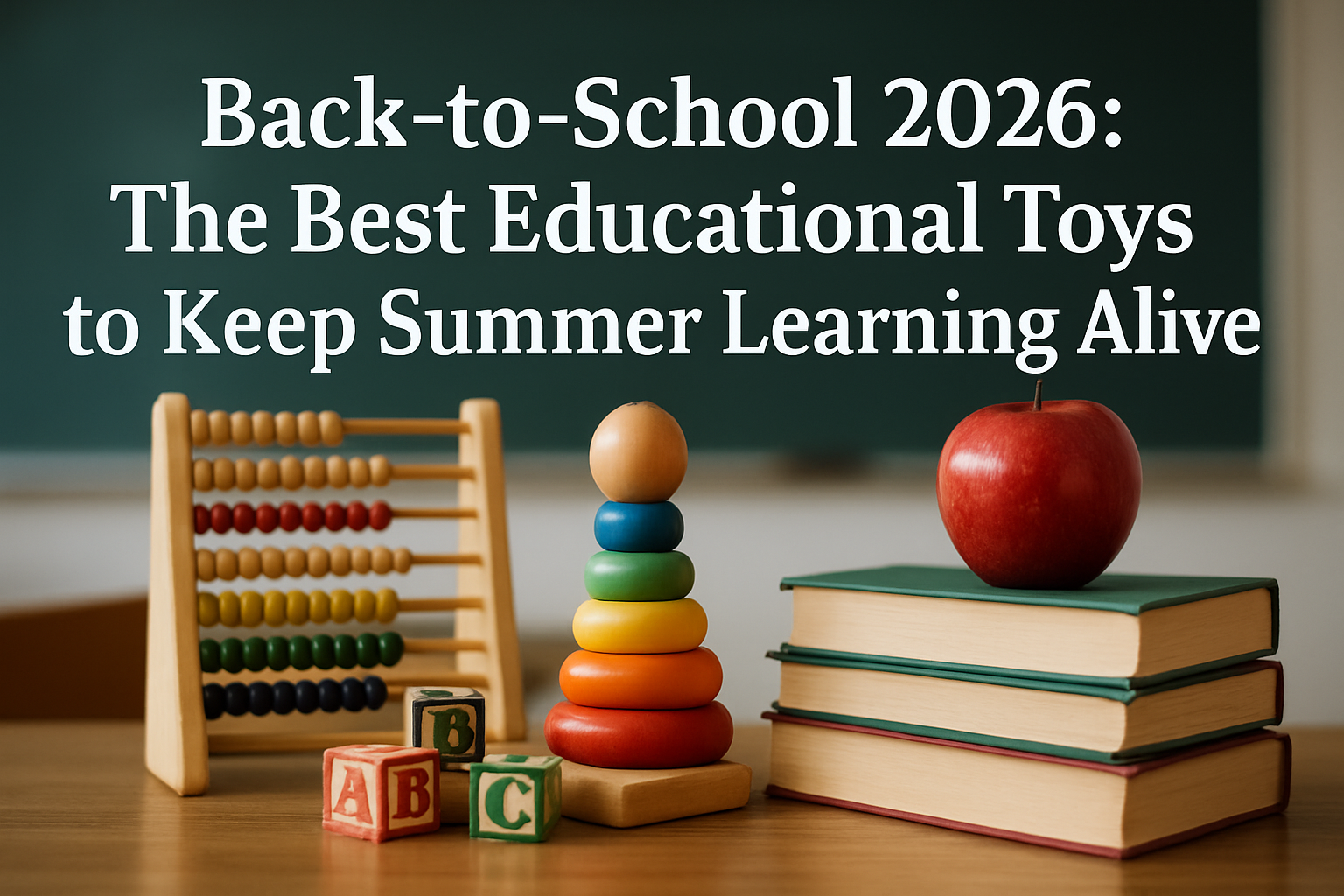

Educational toys have a unique capability to blend play with learning, making them an essential part of childhood development. As children engage with these toys, they embark on a journey of exploration and creativity. The right educational toys can stimulate a child's imagination while reinforcing essential skills such as problem-solving, critical thinking, and collaboration. This not only aids in learning but also sets a strong foundation for their future academic and personal success.
The summer months can be a particularly challenging time for maintaining educational momentum. Extended breaks from school can lead to the 'summer slide,' where children lose some knowledge and skills acquired during the academic year. Educational toys can bridge this gap effectively. They allow for hands-on learning opportunities outside of a traditional classroom setting. By incorporating educational play into summer routines, children can continue to develop their cognitive and motor skills while having fun. Moreover, as the back-to-school season approaches, these toys act as an excellent transition tool, rekindling the excitement for learning and preparing children for the academic challenges ahead.
Empirical research consistently reveals that play significantly enhances educational outcomes. When children are engaged in playful activities, they are not only learning concepts but are also developing a deeper understanding of their world. The connection between play and educational success is well documented, highlighting that children who frequently engage with educational toys tend to excel academically. This is particularly important as they navigate complex subjects in school. Hence, parents and caregivers should prioritize selecting toys that are not only enjoyable but also educational, ensuring that playtime is both fun and beneficial.
STEM educational toys are essential tools that bridge learning and play. They cover a broad spectrum of subjects—science, technology, engineering, and mathematics—creating a multidimensional learning experience. These toys often incorporate various hands-on activities that encourage experimentation and exploration. Examples may include robotics kits, coding games, and science experiment sets that are designed to stimulate children's curiosity and problem-solving skills.
The benefits of STEM toys extend beyond mere engagement; they play an integral role in cognitive development. Through these interactive experiences, children learn to think critically and logically. In essence, STEM toys foster an environment where mistakes are seen as part of the learning process. This shift in perspective encourages resilience and adaptability, qualities that are invaluable in today's ever-evolving world. Additionally, these toys can improve collaboration skills, as many STEM activities are designed for group play, allowing children to work together to solve problems.
In 2026, popular STEM toys will likely include newer innovations that utilize advanced technology, perhaps incorporating artificial intelligence and augmented reality to enhance learning experiences. These evolving tools will not only captivate children’s imaginations but also prepare them for future careers in technology-driven fields. As the emphasis on STEM education continues to grow, the range of available toys will also expand, providing endless possibilities for young learners to explore and discover.
Creativity is vital in education, serving as the foundation for innovative thinking and expressive abilities. Arts and crafts toys provide children the opportunity to express themselves while developing fine motor skills and hand-eye coordination. Engaging in creative activities plays a crucial role in cognitive development, allowing children to explore colors, shapes, and textures. These experiences contribute significantly to a child’s overall growth and learning capabilities.
Examples of arts and crafts toys may include painting sets, construction kits, and clay modeling tools, each tailored to foster different aspects of creativity. When children engage in these activities, they learn to think outside the box, test their ideas, and appreciate the process of creation, as much as the finished product. This hands-on approach enhances critical thinking skills, allowing them to make connections between various concepts and ideas.
Moreover, integrating arts and crafts into the daily routine can deepen a child's learning experience. Families can encourage creativity at home by providing a range of materials for artistic expression, from colored pencils to recycled materials. In doing so, parents can create a rich environment that inspires curiosity and imaginative thinking. By weaving creative projects into the fabric of everyday life, parents can help develop lifelong skills that are essential for success in both academic and personal endeavors.
Reading is a fundamental skill that lays the groundwork for success in various aspects of life. Educational tools that promote reading are designed to make this essential activity fun and engaging. Toys that include interactive storytelling elements, phonics games, or visual aids can effectively support literacy development, making learning a more enjoyable experience for children.
Popular literacy toys in 2026 may include interactive books that respond to children’s actions or literacy games that connect letters and sounds in engaging ways. These tools not only enhance phonemic awareness but can also improve vocabulary and comprehension skills. By bridging the gap between play and learning, these resources motivate children to read more frequently and with enthusiasm.
To incorporate literacy tools at home, parents can establish a reading routine, setting aside dedicated time for reading together. This practice not only boosts literacy skills but also strengthens the parent-child bond. Using books, games, and interactive technologies can create a comprehensive and enjoyable learning experience. By fostering a love for reading from an early age, parents can nurture a child's imagination and develop essential communication skills that will benefit them throughout life.
Games that enhance problem-solving skills are pivotal in cultivating critical thinking abilities in children. Such games challenge players to think strategically, analyze situations, and develop solutions, making them an entertaining yet educational choice. This engagement helps children hone their reasoning skills and encourages a mindset that embraces challenges.
Best-selling critical thinking games in 2026 will likely integrate innovative designs that keep children engaged while promoting cognitive development. These games often involve strategy, teamwork, and competition, providing a balanced approach to problem-solving. By playing these games, children learn to assess risks, make decisions, and evaluate the outcomes of their choices, essential capabilities that will be valuable throughout their lives.
Additionally, the outcomes from engaging in these games can significantly impact a child's learning trajectory. By promoting interaction and collaboration, these activities create an environment where children learn from one another. Parents can facilitate this by scheduling game nights or participating in group settings, fostering social skills while reinforcing critical thinking. In this way, games not only serve as a fun pastime but also as powerful tools for personal and academic growth.
Selecting the right educational toys is essential for fostering a child's learning environment. Parents should consider individual interests and developmental milestones when choosing toys. For instance, toys that promote problem-solving and critical thinking are ideal for older toddlers and preschoolers. Meanwhile, younger children might benefit from sensory play options that encourage exploration. It is also essential to opt for toys that stimulate imagination and creativity, as these aspects play a vital role in cognitive development. Research indicates that open-ended toys, which allow multiple modes of play, can significantly enhance learning outcomes.
Incorporating toys into daily learning can seamlessly blend playtime and educational experiences. Parents can create themed learning sessions around the toys' functionalities. For example, if a child has a set of building blocks, parents might encourage them to construct different shapes while discussing basic engineering principles. Furthermore, during storytelling sessions, using toys to act out characters can enhance comprehension and engagement. Establishing a playful narrative can also boost vocabulary and communication skills. Parents should look for simple ways to weave educational elements into everyday activities, transforming routine moments into enriching learning experiences.
Creating a balanced play and study schedule helps to optimize learning opportunities without overwhelming the child. Establishing specific time blocks for play and educational tasks can promote a sense of routine and expectation. This schedule should allow for flexibility, as children might need more unstructured playtime for exploration and creativity. Parents can set aside designated times for using educational toys alongside traditional learning methods, ensuring that the child thrives in both areas. By balancing structured activities with free play, children can develop self-regulation skills and learn to manage their time effectively, leading to well-rounded growth.
Effective communication with teachers is vital when integrating educational toys into a child's learning journey. Parents should engage in regular discussions with educators to understand the curriculum and identify ways to support their child's learning at home. This collaboration ensures that parents are not only reinforcing classroom concepts but also aligning their home activities with academic goals. Open lines of communication allow parents to share insights about their child’s interests and challenges, making it easier for teachers to provide tailored support in the classroom.
Combining school curriculum with educational toys can enhance the learning experience both at home and in school. Educators and parents can brainstorm strategies for using toys that align with specific subjects or themes being taught. For example, if children are studying patterns in math, parents can introduce toys that incorporate pattern-making, such as colored beads or stacking games. This holistic approach not only reinforces classroom learning but also engages children in a practical context, making them more likely to retain information and enjoy the learning process.
Successful collaboration can lead to innovative learning opportunities. For instance, some schools encourage parents to bring in educational toys that complement certain lessons. This practice not only enriches the curriculum but also fosters a sense of community among families. Sharing educational toys in the classroom can spark group activities, encouraging cooperation and teamwork among peers. Additionally, teachers might provide guidance to parents on specific toys that have proven beneficial in the classroom, creating a cohesive and supportive learning environment that benefits all children involved.
Reflecting on the evolution of educational toys reveals their significant role in early childhood development. These toys offer far more than mere entertainment; they provide foundational learning experiences that can shape a child's cognitive, emotional, and social skills. They engage young minds in play that encourages creative thinking, problem-solving, and goal-setting. As children manipulate and explore different toys, they learn vital concepts such as cause and effect, spatial reasoning, and critical thinking. This interplay between play and learning not only enhances educational outcomes but also fosters a love for lifelong learning.
Furthermore, the importance of continuing educational engagement during summer breaks cannot be overstated. Parents play a critical role in maintaining the educational momentum gained during the school year. By incorporating educational toys into summer activities, parents can create enriching, stimulating environments that reinforce the lessons learned in school. These toys can serve as tools for exploring new ideas, sparking curiosity, and making learning enjoyable. Activities can be designed around themes that resonate with children, ensuring that they stay engaged while also building essential skills. Tools that foster independent exploration and collaborative play among peers can be particularly effective during the summer months.
Looking ahead, the future of educational toys is bright and promising. Innovations in technology and a deeper understanding of developmental psychology will likely lead to even more effective and engaging tools for learning. As educational approaches evolve, there is an increasing recognition of the need for toys that not only entertain but also promote critical skills such as empathy, teamwork, and resilience. The integration of digital elements with traditional play is anticipated to create hybrid experiences that maintain the tactile and exploratory nature of toys while incorporating interactive features. This dual approach will provide a richer educational experience, making learning even more enjoyable and effective for the next generation of learners.



IntroductionEducational toys have a unique capability to blend play with lear...
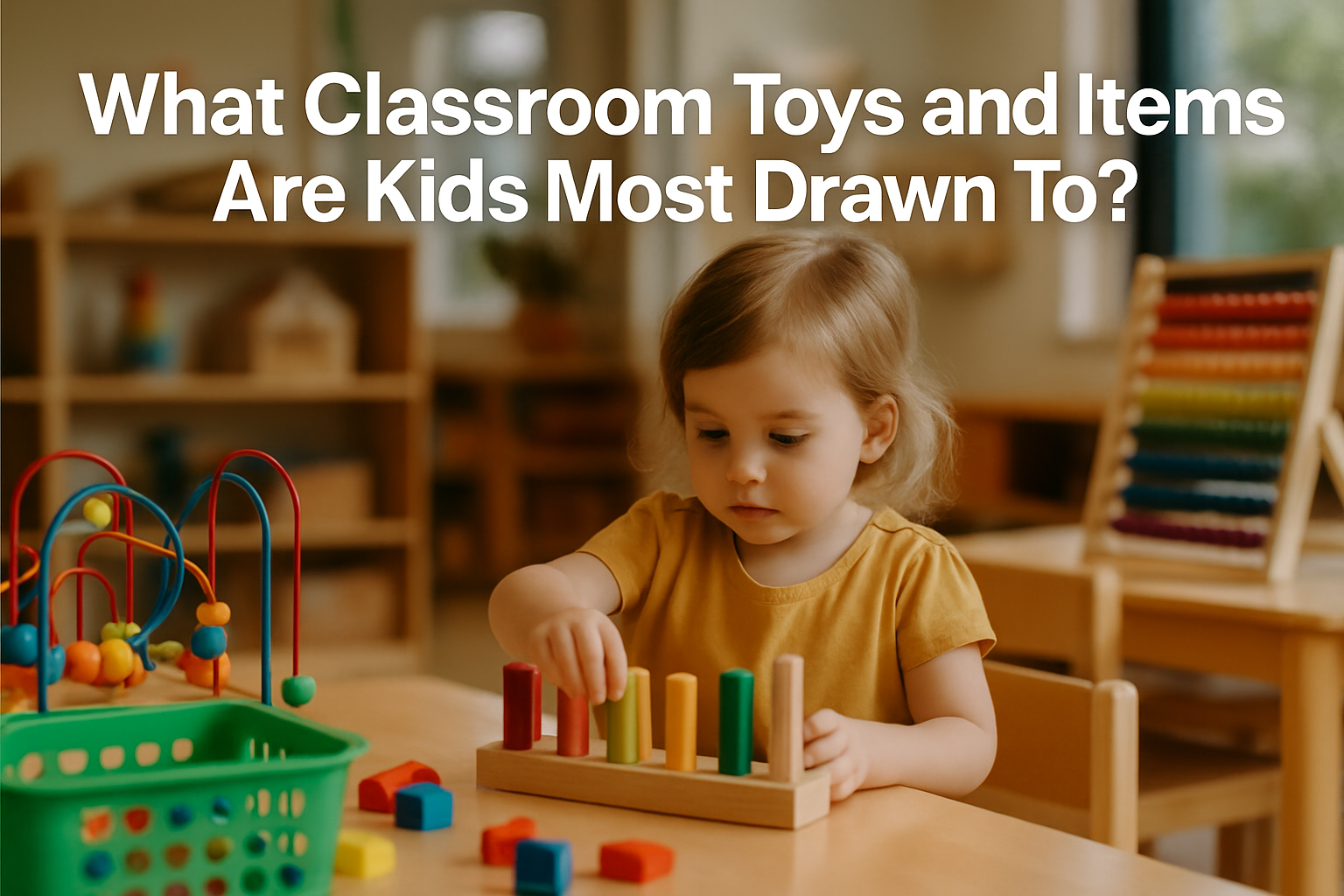

IntroductionEducational toys have a unique capability to blend play with lear...