25 Coolest Gifts for Grandchildren in 2026
IntroductionImportance of PlayPlay is a fundamental aspect of childhood devel...

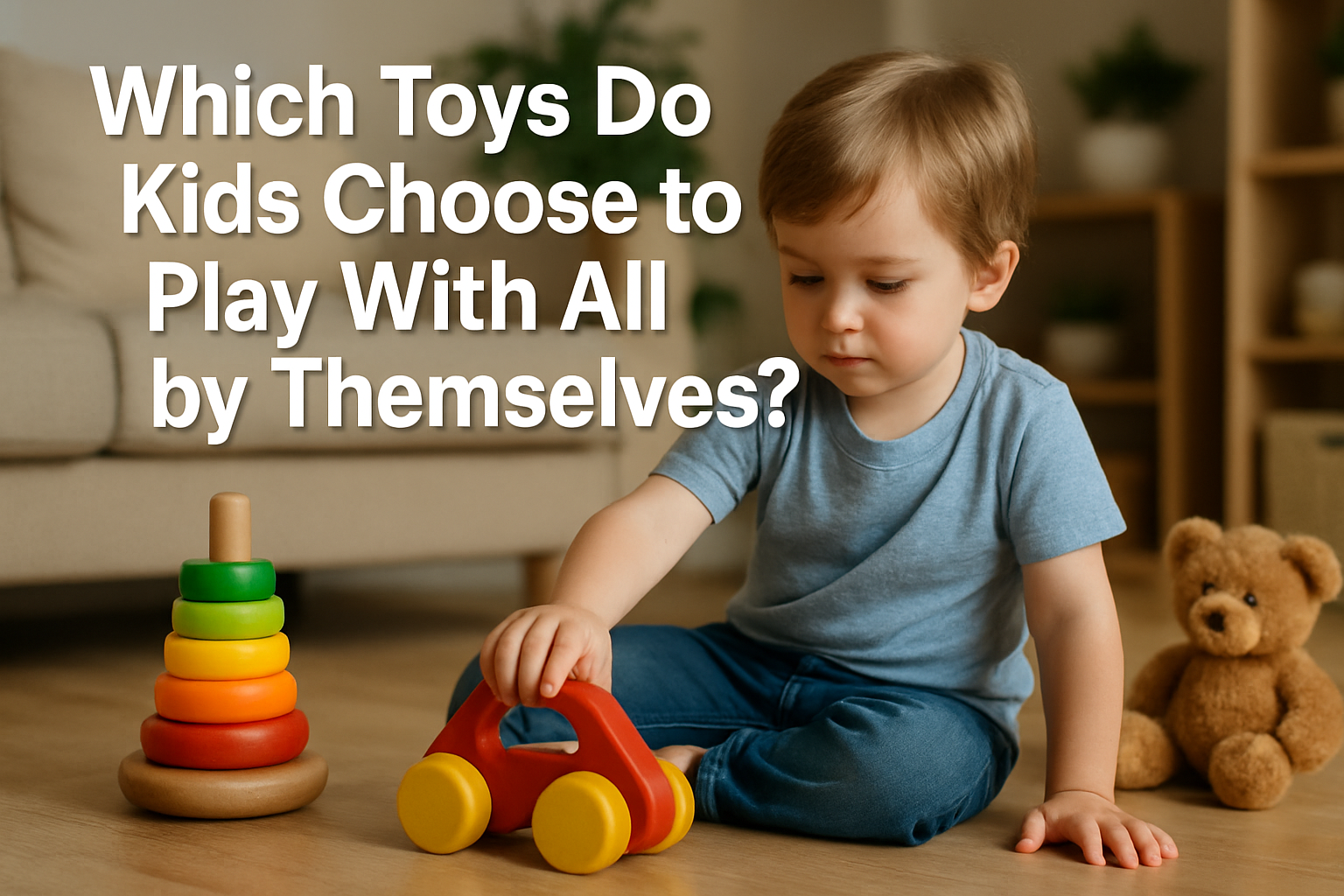

Play is a fundamental aspect of childhood development, providing numerous physical, social, and emotional benefits. It allows children to explore their environment, develop their imagination, and practice various skills in a safe context. Engaging in play empowers kids to express their creativity and supports cognitive growth by encouraging problem-solving and critical thinking. As they interact with toys, children learn how to navigate different scenarios, fostering resilience and adaptability in unforeseen circumstances.
Moreover, solo play plays a vital role in the development of independence and self-reliance. Children often gravitate towards certain toys that they can manipulate on their own, which not only enhances their decision-making skills but also builds confidence. These self-directed moments of play enable kids to choose their activities freely, leading to constructive explorations and innovations. By understanding how to engage with their toys independently, children cultivate a sense of agency that is essential for their overall development.
Additionally, children's preferences for toys are shaped by several factors, including personal interests, age, and developmental needs. This variation in toy selection reveals insights into their individual personalities and imaginative capabilities. Through careful observation, caregivers can identify which toys resonate most with a child's unique inclinations. Recognizing these preferences helps in selecting suitable toys that not only entertain but also support and stimulate your child's growth. Ultimately, understanding the importance of play, especially in solitary contexts, highlights the significant impact it has on a child's development trajectory.
Creative toys are essential tools that nurture a child’s imagination and encourage independent play. These toys provide an outlet for self-expression and creativity. Art supplies like crayons, markers, paints, and clay allow children to explore their artistic side without the constraints of structured play. Building blocks and construction sets further enhance this aspect by enabling kids to construct anything from simple structures to complex designs, fostering not only creativity but also critical thinking skills as they experiment with balance, stability, and design. Musical instruments are another category of creative toys that can captivate children's attention and offer them a platform to explore sound, rhythm, and music composition.
Art supplies stimulate sensory experiences, allowing children to engage in tactile activities while making choices about colors, materials, and forms. This type of play can be incredibly therapeutic, providing a calming effect as children express their thoughts and feelings visually. Similarly, building blocks encourage spatial awareness and fine motor skills as children manipulate pieces to create their desired outcomes. They learn to solve problems independently while having fun—a dual benefit that makes such toys valuable.
Moreover, musical instruments introduce an auditory dimension to solo play. Children can delve into the world of sounds by learning notes, rhythms, and melodies. Playing music can develop auditory skills and enhance memory, as they often need to remember sequences or patterns. Overall, creative toys like art supplies, building blocks, and musical instruments offer enriching experiences that promote solo engagement, thereby aiding in the development of important cognitive and emotional skills.
Imaginative play toys serve as gateways to fantastical worlds, helping children engage in solo play that fosters creativity and storytelling. Dolls and action figures, for instance, allow children to narrate stories, creating intricate plots and character dynamics within their playtime. This type of toy is not just a figure; it represents various personalities or identities that children can embody, leading to rich emotional exploration. Children learn empathy by navigating their characters' feelings, thus improving their social-emotional skills.
Additionally, playsets and themed environments create an immersive experience that encourages solo play. These setups give children a physical space to explore their imaginations, whether it’s a miniature castle, a bustling city, or a fantastical forest. Children can dive into role-play scenarios without needing others to join them, allowing for hours of creative engagement. As they manipulate these environments, they develop storytelling skills and logistical thinking, considering how different elements interact within their imaginative realm.
Role-playing costumes add another layer to imaginative play. They transform children into their favorite characters, allowing them to step into different narratives and scenarios. This form of solo play encourages children to experiment with various roles, thereby enriching their vocabulary and improving their communication skills. Through imaginative play, children develop a broad range of cognitive proficiencies while remaining engaged and entertained, making these toys invaluable in any child's playtime routine.
Educational toys are specifically designed to promote learning while encouraging children to play independently. They cover a broad spectrum of skills, from cognitive to motor abilities. Puzzle and problem-solving toys engage children in logical thinking and strategy. As kids work through these challenges alone, they learn persistence and patience, valuable attributes in their development. Completing puzzles successfully offers a significant sense of accomplishment, boosting their self-esteem and reinforcing their problem-solving capabilities.
Moreover, STEM-related kits and resources are excellent for stimulating interest in science, technology, engineering, and mathematics. These toys often include hands-on experiments and building exercises that challenge children to think critically and innovatively. By engaging in these activities during solo play, children can explore complex concepts in an enjoyable and interactive manner. Such experiences can ignite a passion for learning that extends beyond playtime.
Interactive books and learning tools further enhance the educational aspect of toys. These resources often combine visual and auditory elements, making learning engaging for young minds. Children can interact with stories or educational exercises at their own pace, allowing them to absorb information more effectively. By encouraging solo exploration of educational content, these toys foster a love of learning that can last a lifetime. Overall, educational toys encompass a wide range of tools that not only entertain but also empower children to learn independently.
Age plays a significant role in a child's preferences when it comes to toys. Younger children often gravitate toward brightly colored, tactile toys that engage their senses and encourage exploration. As children grow, their interests typically shift towards toys that match their developmental skills and cognitive milestones. For instance, infants might prefer simple rattles or soft plush toys that promote sensory development, while toddlers often favor building blocks or shape sorters that enhance fine motor skills. By the time children reach preschool age, they often seek toys that support imaginative play, such as costumes or playsets that reflect their growing understanding of social roles.
The types of skills fostered by different toys can vary widely by age. For example, dolls and action figures can help children develop empathy and social skills as they engage in role-play scenarios. In contrast, puzzles and construction sets can stimulate problem-solving abilities and spatial awareness. Each age group presents unique opportunities for learning through play, driving the selection process for both children and parents alike. Moreover, trends in toy preferences frequently emerge based on developmental stages. For example, group play among preschoolers often highlights the popularity of cooperative games and toys, while school-aged children may start to show a preference for toys that challenge their intellect or allow for more complex interactions.
Understanding these developmental stages can help caregivers and toy manufacturers align their offerings with children's changing needs. Research shows that toys tailored to suit specific age ranges not only enhance play experience but also contribute significantly to a child's overall development. Consequently, parents often look for guidance in selecting age-appropriate toys that not only entertain but also promote necessary developmental milestones, ensuring their child can flourish in both play and learning.
Personal interests and hobbies also play a pivotal role in toy selection. As children develop their personalities, their preferences begin to reflect their individual interests. For example, a child with a keen interest in dinosaurs may naturally gravitate towards toys that feature dinosaur themes, such as figurines, books, or even games that revolve around the prehistoric creatures. This alignment with personal interests can create more engaging and meaningful play experiences, as these toys resonate with the child, enhancing their enjoyment and participation.
Hobbies significantly shape play preferences as well. For instance, children who enjoy crafting may prefer toys and kits that involve creating or building, rather than passive toys. Art supplies, model kits, or science experiment sets can deeply engage these children, allowing them to explore and express their creativity. Similarly, children who participate in sports might be drawn to toys that mimic their athletic endeavors, such as balls or equipment related to their favorite sports. When toys reflect a child's hobbies, they often lead to deeper engagement and encourage further exploration of their interests.
Moreover, the connection between personal interests and toy selection can serve as an entry point for parents to support their child's development. By recognizing and fostering these interests, parents can enhance their child's play experiences, potentially leading to lifelong pursuits. Thus, understanding the impact of personal interests and hobbies on toy selection can guide caregivers in making informed decisions that cater to their child's unique preferences and passions, ultimately enriching their playtime.
Social influences profoundly affect individual toy preferences, especially among children. Peer choices can greatly impact what children want and, in turn, their toy selection. When children observe their friends playing with certain toys, they may feel an inclination to follow suit, leading to trends that vary among social groups. This effect is particularly noticeable in school settings, where children often share their favorite toys and hobbies. The desire to fit in or share experiences with peers can lead to a collective interest in specific types of toys, reinforcing social dynamics and camaraderie.
Cultural factors also play a significant role in toy selection. Different societies have varying views on what is considered appropriate or desirable for children. In some cultures, for example, educational toys that promote STEM learning are emphasized, while in others, imaginative play with role-playing toys might be favored. These cultural contexts shape how children perceive and prioritize certain toys, leading to diverse preferences that reflect broader social narratives. Understanding the cultural background of children can provide insights into their toy selections and preferences, allowing for more tailored and appropriate choices.
Parental influence is another critical component of toy selection. Parents often have a strong input on the types of toys they encourage their children to explore based on personal values, educational beliefs, and historical contexts of their own childhood experiences. Recommendations from parents can steer children toward toys that they believe will be beneficial for their development, whether those are toys that promote creativity, scientific thinking, or physical activity. This influence creates a dynamic interplay between the child's preferences and the guidance provided by parents, culminating in a broader understanding of the factors that drive toy selection in today's society.
The rise of electronic and digital toys has transformed the toy industry significantly over the past few decades. Parents today often find themselves navigating a plethora of options that incorporate advanced technology. These electronic toys not only entertain children but also engage them in educational experiences that enhance learning and development. The demand for these toys has surged due to their ability to integrate interactive features, which has reshaped how children experience playtime. This shift reflects a broader societal trend toward technology-based entertainment, leading to an ever-growing portfolio of high-tech toys available in the market.
As technology increasingly intertwines with play, the impact on playtime becomes evident. Children are now equipped with toys that respond to their actions, fostering a hands-on learning approach. These toys often encourage cognitive development by introducing concepts such as problem-solving and critical thinking in a fun and engaging manner. However, this evolution brings about a need to balance traditional play with electronic experiences. While digital toys have their advantages, many experts advocate for a hybrid approach that merges the benefits of both traditional and electronic play, ensuring that children also enjoy unstructured, creative outdoor experiences.
Parents and caregivers are left grappling with the dilemma of choosing toys that provide educational value without overly relying on screen time. The balance they seek involves selecting toys that capture children’s attention and imagination while simultaneously encouraging physical and social interactions. Striking this balance may require parents to set boundaries concerning technology use and promote hands-on, creative activities alongside electronic play.
At the forefront of the modern toy revolution are interactive and smart toys that come packed with features designed to captivate young minds. These toys can respond to touch, voice, and sometimes even the emotions of the child, making them more engaging than traditional counterparts. Interactive toys are often designed to adapt to a child's learning pace, providing tailored experiences that can enhance developmental milestones. For instance, these toys may offer various levels of challenge, encouraging children to build skills at their own pace while keeping the experience fresh and stimulating.
The benefits of smart toys can be substantial, especially for solo play. They provide an alternative for parents who may be busy or unable to engage directly with their children at all times. By offering interactive feedback, these toys can sustain a child’s interest, promoting independent play that can lead to increased confidence and self-sufficiency. Furthermore, many of these toys encourage imaginative play by incorporating storytelling elements or role-playing scenarios that help develop social skills, even when children are playing alone.
However, safety considerations become paramount with the increased prevalence of technology in toys. As many smart toys utilize internet connectivity and sensors, parents must remain vigilant about the data these devices collect and share. Ensuring that toys are from reputable sources that prioritize child safety and data protection is essential. Manufacturers must adhere to safety regulations and provide clear guidelines on how these toys should be used, as the combination of technology and play introduces a new dimension of responsibility for both parents and developers alike.
In evaluating the preferences of children regarding toys, a variety of trends emerged, highlighting specific types favored by different age groups and genders. Notably, imaginative play toys such as dolls and action figures consistently rank high across various demographics. Creative building sets also enjoyed popularity, enabling children to explore their creativity while developing problem-solving skills. These toys are more than just amusing; they serve as a catalyst for socialization and cognitive development. In contrast, electronic and screen-based toys may capture attention initially but often do not sustain engagement in the same way, suggesting a preference for tactile and interactive experiences among children.
Furthermore, research indicates that factors influencing toy selection extend beyond mere enjoyment. Parental input plays a significant role, where preferences may stem from perceived educational value or developmental benefits associated with certain toys. Additionally, social influences, including peer recommendations, can sway children toward particular toys, often leading to trends in toy popularity. The evolving interests of children demonstrate that these selections are sometimes rooted in cultural narratives, media influences, or seasonal themes, revealing a complex interplay of factors beyond functional play. This insight sheds light on how carefully curated toy selections can create environments that foster genuine play experiences for children.
Lastly, the conclusion pivots towards the importance of encouraging solo play through intentional toy selection. Toys that stimulate independent exploration and creativity are critical in nurturing self-reliance and confidence in children. By choosing options that are open-ended and versatile, parents can facilitate opportunities for solo play. This method not only allows children to engage in imaginative play but also contributes positively to their emotional and social development. Ultimately, the conscious selection of toys should emphasize not just entertainment, but also the capacity to inspire learning and growth, shaping the way children interact with the world around them.



IntroductionImportance of PlayPlay is a fundamental aspect of childhood devel...
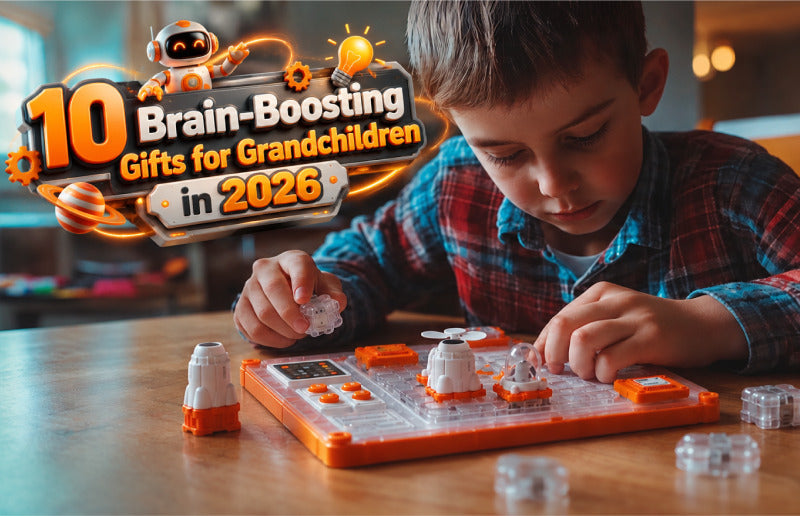

IntroductionImportance of PlayPlay is a fundamental aspect of childhood devel...