25 Coolest Gifts for Grandchildren in 2026
Best Open-Ended Toys for Encouraging Imaginative Play Imaginative play in to...

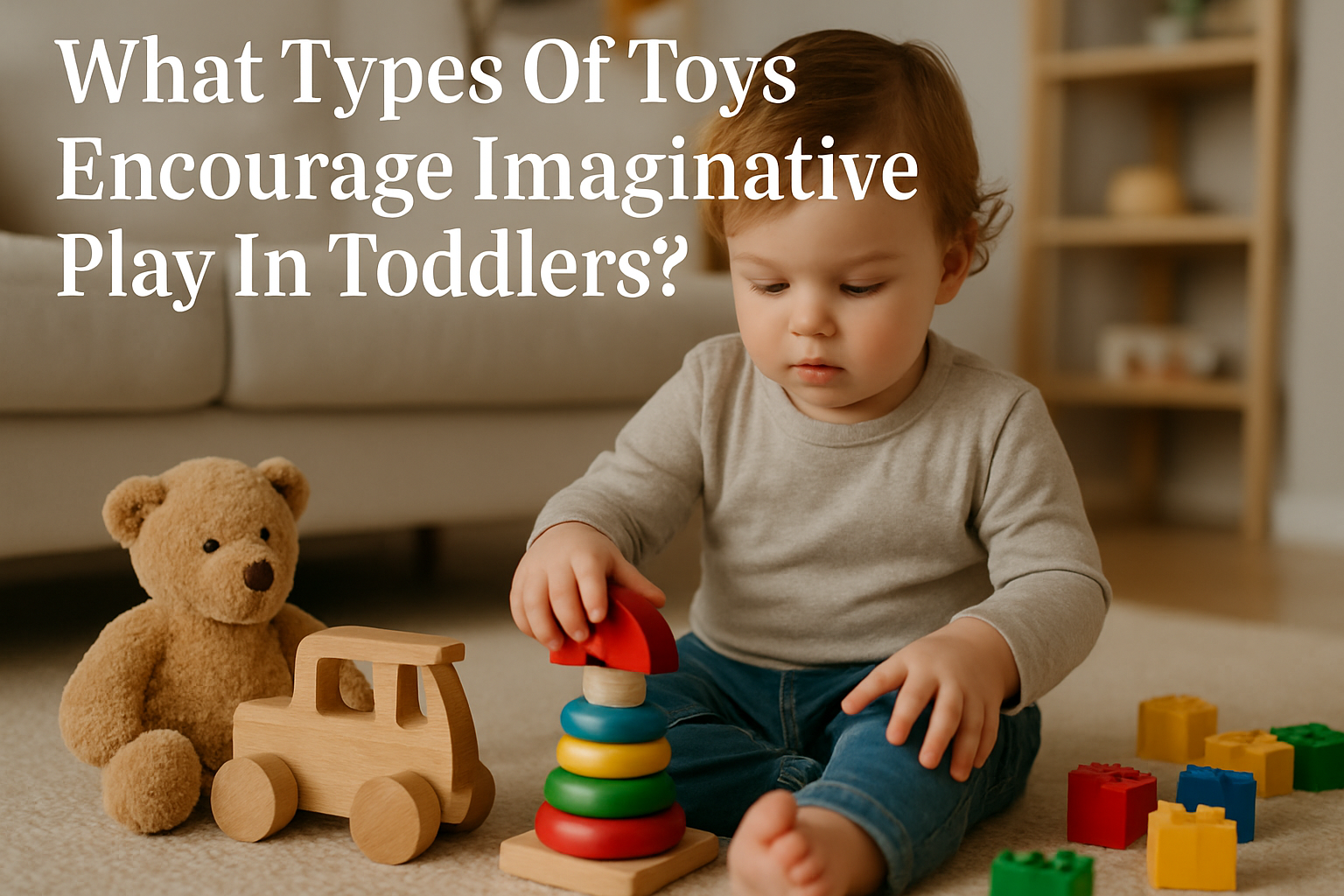

Imaginative play in toddlers is best supported through open-ended toys that inspire creativity and provide limitless possibilities. Magnetic tiles and blocks are a wonderful example of this. These toys encourage young children to explore their building possibilities, experiment with color mixing, and delve into basic geometric concepts. By stacking and connecting various pieces, toddlers not only engage in imaginative construction but also enhance their spatial awareness and problem-solving skills. The tactile engagement with these materials fuels their creativity, allowing them to create anything from simple structures to complex designs that can be adjusted at will.
Building bricks stand out as another top choice for nurturing imaginative play. They stimulate creative building and offer various environmentally-friendly alternatives. These blocks provide a foundational play experience where children can construct, deconstruct, and reconstruct their ideas into tangible forms. As they engage in this process, they develop fine motor skills and coordination. Furthermore, building with bricks often leads to collaborative play, where children share ideas and validate each other's creative ventures, deepening their social skills.
Furthermore, play silks and scarves are versatile tools that encourage imaginative scenarios. From creating forts to wrapping gifts, these simple materials give toddlers the freedom to let their imaginations flourish. They can be draped and manipulated in countless ways, turning everyday play into grand adventures, such as transforming a living room into a magical castle or a spaceship. This kind of imaginative engagement not only enhances creativity but also fosters narrative thinking as children enact various roles based on their invented scenarios.
Plain wooden blocks remain essential for developmental play as they teach critical concepts such as size and weight discrimination. By allowing toddlers to construct various structures, these blocks serve as a blank canvas for creative exploration. They provide a foundation for both individual and collaborative play. As children stack, balance, and arrange the blocks, critical thinking and problem-solving emerge naturally. Additionally, wooden blocks often stimulate discussions about shapes, stability, and balance among playmates, further reinforcing social skills.
Realistic toy animals and mini toy vehicles also play a significant role in imaginative narratives. Toy animals help children engage in storytelling and role play, allowing for the exploration of various environments and social situations. This can enhance their understanding of geography as they create scenarios involving different habitats or interactions between species. Meanwhile, mini vehicles invite toddlers to develop dynamic play narratives through racing, sorting, and pretend interactions. Whether they are embarking on a road trip or embarking on a rescue mission, these vehicles become catalysts for elaborate tales filled with action and adventure.
Finally, bringing art into the mix with easels and droppers or pipettes can further enhance imaginative play. Easels provide an outlet for artistic expression, enabling toddlers to draw and paint with ease. They can illustrate their imaginative scenarios or create characters that come to life in their stories. Moreover, tools such as droppers and pipettes can facilitate various play scenarios associated with scientific experiments or elaborate water play, allowing creative exploration of liquids and colors. Introducing these artistic tools to imaginative play encourages children to think outside the box and manifest their ideas visually, promoting expressive creativity.
In summary, incorporating a variety of open-ended toys like magnetic tiles, building bricks, play silks, and simple wooden blocks can greatly enhance imaginative play in toddlers, stimulating their creativity and social skills while providing endless possibilities for exploration and storytelling.
Imaginative play serves as a powerful tool in childhood development, offering a multitude of benefits that extend into various aspects of a child’s life. One of the most significant advantages is the enhancement of creativity. Engaging in open-ended scenarios allows children to experiment with storytelling and the flexible use of objects. Whether they are transforming a simple cardboard box into a spaceship or narrating a tale of adventure with their toys, children leverage their imagination to create new worlds. This process not only fosters creativity but also encourages cognitive flexibility, as young minds learn to visualize outcomes and think outside the box.
Moreover, imaginative play acts as a canvas for emotional development. Through role-playing scenarios, children explore the intricacies of their emotions. For instance, when a child pretends to be a doctor, they might experience feelings of care and empathy while tending to a stuffed animal. This exploration helps them cultivate emotional knowledge and regulation skills, allowing them to understand their own feelings and those of others better. As children navigate through various roles, they learn to identify and articulate emotions, which is vital for building emotional intelligence that will serve them throughout their lives.
In addition to enhancing creativity and emotional understanding, imaginative play promotes social skills development. Interaction with peers during playtime offers opportunities for children to negotiate roles and navigate social dynamics. As they engage with one another, they practice conflict resolution strategies and develop their theory of mind – the ability to understand that others have thoughts and feelings different from their own. These interactions lay the groundwork for effective communication and collaboration. The social skills learned during imaginative play are essential as they transition into more structured social environments like school, where teamwork and social interaction are key.
Furthermore, engaging in imaginative play significantly contributes to cognitive skills growth. This type of play has been linked to improvements in executive functioning skills, which include planning, working memory, and cognitive flexibility. As children immerse themselves in fantasy scenarios, they often face challenges that require them to use problem-solving skills. For instance, resolving a dilemma within their imaginative story can enhance their ability to think critically about real-world situations. Additionally, this kind of play helps children differentiate between reality and make-believe, fostering essential cognitive processing skills.
Language development also flourishes through imaginative play. When children create elaborate stories, they naturally enhance their vocabulary and narrative abilities. The act of verbalizing their thoughts and playing out dialogues encourages them to experiment with language and expression. This form of spontaneous storytelling not only enriches their language but also supports listening skills as they engage with peers and respond to their narratives. The linguistic skills developed during these playful exchanges are foundational to future academic success.
Physical development is another key area influenced by imaginative play. Activities that involve movement, such as pretend gardening or building fortresses, promote fine motor skills and hand-eye coordination. As children manipulate objects and navigate their play environment, they strengthen their physical capabilities. The coordination required during imaginative play translates into improved physical control and agility, laying the groundwork for participation in sports and other physical activities.
Lastly, imaginative scenarios demand problem-solving and self-regulation. Children are often faced with unexpected situations or conflicts that arise during play, requiring them to think on their feet. As they figure out ways to overcome obstacles or achieve their playful goals, they develop crucial problem-solving skills. This aspect of imaginative play teaches patience and perseverance, as children learn that not all solutions come quickly or easily. By practicing these skills in a playful context, they gain self-regulation abilities that will benefit them in everyday challenges.
Overall, the multifaceted benefits of imaginative play highlight its significance in a child’s development. From creativity and emotional awareness to cognitive growth and social skill enhancement, this playful engagement is essential for fostering well-rounded individuals.
To foster imaginative play, providing the right toys is fundamentally important. Realistic toys that facilitate role-playing greatly enhance children's creative abilities. For instance, dolls and action figures enable kids to engage in storytelling, allowing them to recreate their experiences or invent fantastical scenarios. Playsets designed for various themes, such as kitchens, hospitals, or schools, offer structured environments for children to explore different roles and situations. These toys not only spark creativity but also allow for social interactions, as children can collaborate or negotiate roles while playing.
In addition to dolls and playsets, costumes can ignite a child's imagination. Dressing up as a favorite character or exploring different personas helps children experiment with identity, promoting self-expression. When kids don a pirate hat or a princess gown, they dive into their imaginative worlds, acting out narratives that might contain elements of adventure, mystery, or exploration. This type of play can also facilitate emotional understanding, as children navigate and express different feelings through their characters.
Moreover, it is essential to consider the diversity of toys available. Incorporating items from various cultures, professions, and fantasy realms allows children to broaden their perspectives and embrace multicultural experiences. Such an array not only fuels imaginative scenarios but also instills values of empathy and respect for differences. As children engage with these varied toys, they develop a richer understanding of the world and their place within it.
Engaging in play alongside children can significantly enhance their experiences while also strengthening family bonds. When adults participate in imaginative play, they validate children's ideas and encourage further exploration. This shared experience can amplify creativity and fun, as children often look to adults for direction and feedback. By joining in, adults can help steer the narrative, introduce new elements, or simply enjoy the moment, making the play session more dynamic and enriching.
Moreover, participating in play offers adults an opportunity to observe how children think and process the world around them. It allows them to recognize a child's unique interests and preferences, providing insights into their developmental stages. Engaging in conversations during play can also introduce new vocabulary and concepts, subtly enhancing language skills without a formal context. This organic learning environment fosters curiosity and motivates children to ask questions, further enriching the imaginative play experience.
Additionally, engaging in role-playing scenarios can model problem-solving and negotiation skills. As children encounter challenges within their imaginative play—be it resolving conflicts between characters or devising solutions to obstacles—adults can guide them through these situations. This mentorship encourages resilience and critical thinking, allowing children to learn how to navigate real-world challenges while immersed in their playful narratives.
Unstructured playtime is vital for children's imaginative development. Such periods free from structured activities encourage children to explore their interests and ideas without constraints. During free play, children can invent their own games, construct elaborate scenarios, and interact socially with peers. This creative autonomy allows them to practice decision-making and leadership skills, as they choose the roles they want to adopt and direct the course of play.
Moreover, allowing time for free play helps children build self-confidence. As they create their own rules and narratives, they develop a sense of ownership over their play experience. This empowerment fosters a belief in their capabilities to shape their environment and express their creativity. Unstructured play also encourages adaptability and resourcefulness, as children learn to manipulate their surroundings to fit their imaginative scenarios.
Lastly, the importance of free play extends beyond personal development; it is crucial for social learning as well. Children learn to cooperate, share, and communicate effectively through interactions during play. They navigate friendships and alliances, learning valuable life skills along the way. Encouraging ample free playtime not only nurtures imaginative exploration but also cultivates lasting social skills that are essential in their future interactions. The right balance of structured and unstructured play ultimately paves the way for fulfilling and enriching childhood experiences.
Imaginative play is vital for children's development, as it fosters creativity, problem-solving, and social skills. To engage children in this enriching experience, selecting the right toys is essential. Various types of toys stand out for their ability to stimulate imaginative play.
Realistic playsets are a gateway to imaginative scenarios that mirror everyday life. By incorporating elements that replicate real-life activities—such as kitchen sets, doctor's kits, or construction tools—children immerse themselves in roles that allow them to explore different identities. For instance, a kitchen set can awaken a child’s inner chef, encouraging them to enact cooking experiences while also introducing concepts like measurement, sequencing, and nutrition. This type of play allows children to experiment with and make sense of their world, promoting cognitive abilities and understanding social roles.
Additionally, dress-up costumes enable children to embody characters from stories or create entirely new personas. This kind of role-playing not only fuels creativity but also aids in developing empathy as children adopt perspectives different from their own. They begin to understand various viewpoints and narratives, which enhances their emotional intelligence. The more intricate the playset, the richer the play experience becomes, providing layers of interaction that keep children engaged and stimulate further imagination.
In essence, realistic playsets act as catalysts for imaginative play. They give children the tools to construct their narratives, promoting learning through play and enabling them to practice social interactions in a controlled environment. By engaging in these realistic scenarios, children develop critical thinking, enhance their language skills, and enrich their understanding of the world around them.
Artistic tools are fundamental to stimulating creativity in children. Unlike conventional toys that often present defined ways to play, art supplies offer a blank canvas for self-expression. When children are equipped with materials like colored pencils, paints, and clay, they embark on an adventure of exploration and experimentation. Each stroke of a brush or molding of clay becomes a step in their journey of discovery. This process encourages them to transform their thoughts and ideas into tangible forms, fostering a sense of ownership over their creations.
Moreover, art activities often require problem-solving skills. Children must decide what materials to use, how to combine colors, or how to represent an idea. These decisions help them develop analytical thinking as they assess the outcomes of their choices. Engaging in art also enhances fine motor skills, as activities like cutting, drawing, or sculpting require dexterity and control.
The beauty of creative art supplies lies in their versatility. They adapt to the child’s evolving ideas and skills, making them suitable for various ages and interests. Furthermore, collaborative art projects provide opportunities for children to work together. This not only allows them to share resources but also to learn from each other, enhancing social skills and fostering teamwork. By encouraging expression and exploration through art, these supplies serve as vital tools for nurturing imaginative play.
At the intersection of reading and play, interactive storybooks serve as powerful instruments for imaginative development. These books, which often include elements like pop-ups, flaps, or sound effects, engage children actively, transforming reading from a passive activity into an interactive experience. As children turn pages, they are often prompted to predict outcomes or relate to characters, which nurtures their narrative skills and expands their creativity.
Storytelling through these interactive formats encourages children to create their own versions of tales, sparking their imagination and refining their communication skills. They learn to construct narratives, appreciate different story structures, and express emotions through characters. The playful dimension of these books goes beyond mere reading; it invites children to become co-authors of the story, enhancing their cognitive engagement and boosting retention of the material.
Furthermore, the social aspect of reading also comes into play. Parents and caregivers can utilize these interactive books as a bonding experience, sharing storytelling sessions that promote dialogue and discussion. This interaction allows parents to assess comprehension and encourage critical thinking by asking questions or prompting discussions about the story's themes. Interactive storybooks not only make reading an enjoyable activity but also lay the groundwork for effective communication and imaginative thinking as children grow.
Play kitchen sets offer a vibrant and engaging way to stimulate children's imagination and storytelling skills. These sets are designed to mimic real kitchen environments, providing children with the tools to craft unique culinary narratives. As children engage in dramatic play with pretend cooking, they practice communication and social skills by taking on various roles within their imaginative culinary worlds. This not only makes for entertaining interactions but also reinforces language development as they articulate their recipes and describe what they're creating.
Furthermore, simulated cooking experiences allow children to explore the concept of nutrition and meal preparation in a fun, pressure-free environment. When children pretend to cook meals for family members or friends, they experiment with decision-making and problem-solving skills. They might combine different 'ingredients' to make a favorite dish or even create entirely new meals from their imagination, fostering critical thinking. This type of creative play not only nurtures a love for cooking but also encourages teamwork and collaboration when children engage in these activities with peers.
Incorporating diverse utensils, play food items, and even themed decorations can make kitchen playsets an expanding realm of possibilities. Children can embark on culinary adventures, such as hosting a dinner party or running a café. Such imaginative scenarios promote emotional intelligence as children navigate the complexities of interpersonal relationships and situational roles. Overall, play kitchen sets are a powerful tool for development, blending fun with important life skills in a natural and enjoyable way.
Duplo and Mega blocks present an excellent avenue for young toddlers to engage in safe, constructive play that promotes creativity and the development of fine motor skills. These oversized building blocks are specifically designed for small hands, making them an ideal choice for toddlers who are just beginning to explore their construction abilities. As children stack, connect, and create with these blocks, they are not only having fun but also honing their hand-eye coordination and dexterity.
The act of building with large blocks encourages imaginative thinking as children envision structures ranging from simple towers to complex cities. This creative engagement allows their reasoning skills to flourish. Moreover, the freedom to experiment and the satisfaction that comes from successfully constructing something sparks confidence. Children learn the principles of balance and gravity, fostering an understanding of spatial relationships as they manipulate the blocks into various configurations. Along the way, they are likely to share ideas with their peers, enhancing their social skills and ability to work collaboratively.
Additionally, these building activities can be tied with storytelling or themed play, allowing children to create narratives around their structures. For example, a toddler might build a house for their toys and narrate a story about the family that lives inside. This integration of play and storytelling further enriches their cognitive development, encouraging language skills alongside spatial and analytical thinking. In essence, Duplo and Mega blocks serve as a versatile and dynamic tool that nurtures a wide range of developmental skills in a fun and engaging manner.
Preschool serves as a vital setting for young children to cultivate cultural awareness and understanding. At this formative stage, children are naturally curious and eager to explore the world around them, making it an ideal time to introduce multicultural toy activities. These activities play a significant role in helping preschoolers grasp the concept of diversity by presenting them with toys that reflect different cultures, traditions, and practices. When children engage with toys that represent various backgrounds, they begin to develop respect and appreciation for those cultures, fostering an environment of inclusivity from an early age.
Moreover, research indicates that children who are exposed to cultural diversity through play in preschool are more likely to embrace inclusivity throughout their lives. Engaging with multicultural toys not only enhances their play experiences but also promotes positive social interactions among peers. By sharing these toys and discussing their significance, children learn to appreciate differences, which reinforces the importance of acceptance and understanding. Consequently, the benefits of integrating cultural awareness into preschool programs extend beyond individual development, contributing to a more harmonious society as children grow older.
Furthermore, parents and educators play a crucial role in facilitating these experiences. Through guided discussions and intentional interventions, adults can help children make connections between the toys they play with and the cultures they represent. This guidance helps solidify the lessons learned during play, ensuring that cultural awareness is not only a fleeting experience but a foundational element of a child's development. Ultimately, nurturing cultural awareness through play in preschool settings lays the groundwork for a socially conscious future generation.
Play represents an essential avenue for children to understand and adopt cultural values essential for their growth. As preschoolers engage in play, they naturally begin to mimic the behaviors, traditions, and practices observed in the toys they interact with. This immersive engagement allows them to explore cultural narratives and values that shape diverse communities across the globe. Through play that incorporates elements of different cultures, children can foster an inclusive mindset, learning that differences should be celebrated rather than feared.
Importantly, play helps reinforce social skills critical for a child’s development. Activities that embrace cultural diversity promote teamwork, empathy, and communication among peers. When children participate in group play involving multicultural toys, they learn the importance of collaboration while sharing ideas unique to their cultural backgrounds. This interaction fosters an environment of mutual respect, where children feel empowered to express their identities while also learning about others. In this way, play becomes a powerful tool in categorizing and appreciating human experiences, broadening children's worldviews from a young age.
Additionally, play grounded in cultural diversity enhances cognitive and emotional development. As children navigate different roles and scenarios presented through their toys, they absorb essential social cues and learn to interpret culturally-specific behaviors. This type of learning experience is invaluable because it not only helps children develop a sense of identity but also equips them with the tools to critically analyze the world around them. As they grow, these skills will be invaluable in fostering connections with others, deepening their capacity for empathy and understanding of diverse perspectives.
Participating in traditional games, crafts, cooking lessons, and music from various cultures offers children enriching opportunities to broaden their understanding of the world. Engaging in traditional games allows preschoolers to appreciate the history and purpose of these activities while enjoying teamwork and friendly competition. Learning these games fosters connections among children with different cultural backgrounds, as they come together to celebrate shared experiences while also honoring their distinct roots.
Craft activities can further reinforce cultural learning by allowing children to create art based on various traditions. Child-led craft sessions focused on cultural themes provide an avenue for self-expression, enabling children to explore their artistic capabilities while learning about cultural significance. When children engage in creative projects designed around cultural symbols or practices, they not only develop fine motor skills but also reinforce concepts of diversity through hands-on interaction.
Cooking lessons and music from different cultures represent additional activities to enrich preschoolers’ understanding of diversity. Cooking allows children to explore ingredients, culinary customs, and storytelling linked to food within various cultures. Similarly, music and dance open doors to understanding cultural expressions and celebrations. These activities not only enhance children's appreciation for cultural diversity but also instill a sense of joy and curiosity, encouraging lifelong learning and exploration of the many cultures that make up our world.
Parents often have mixed feelings about the role of technology in children's toys. On one hand, there are significant concerns regarding screen time and its impact on children's development. Many parents worry that excessive use of tech-driven toys can hinder critical skills such as problem-solving and interpersonal communication. They fear that children may be more inclined to engage with screens than with traditional imaginative play, which is pivotal for developing creativity and emotional intelligence. These concerns prompt parents to seek a balance, ensuring that technology does not overshadow the essential aspects of play that encourage cognitive and social growth.
On the other hand, there are undeniable benefits to incorporating technology into toys. Many parents recognize that technology can enhance imaginative play by providing interactive experiences that can stimulate creativity. These toys often encourage storytelling and role-playing activities, where children can engage with their imaginations in new and exciting ways. For example, a toy that utilizes augmented reality can transport a child into a fantastical realm, complementing their imaginative adventures rather than replacing them. As such, parents may find that when technology is used thoughtfully, it can serve as a powerful tool to expand the realms of creative play.
Ultimately, the parental perspective on technology in toys is shaped by a desire for moderation. Parents aim to embrace technological advancements while fostering an environment that supports traditional play values. By carefully selecting toys that blend digital innovation with opportunities for imaginative exploration, they can promote holistic development in their children. This careful curation not only addresses their concerns but also opens doors to enhanced play experiences, ensuring that children benefit from both imaginative engagement and contemporary technological tools.
Striking a balance between technology and imagination in toys is essential for fostering a well-rounded play experience. While tech features can enhance play, they shouldn't completely replace the age-old forms of imaginative play that are vital for childhood development. Creative play is often foundational for skills such as critical thinking, empathy, and narrative development. Over-reliance on technology can impede these essential skills, leading to a generation that may struggle with imaginative and interpersonal interactions.
To maintain this equilibrium, parents and educators can encourage children to engage in a variety of play styles, mixing traditional toys with tech-based ones. For instance, a toy that requires physical manipulation, complemented by a digital app, can create a hybrid play experience. Such an approach not only retains the allure of technology but also integrates the tactile and imaginative elements inherent in traditional play. This dual experience helps children develop a range of skills, from fine motor coordination to creative storytelling, without sacrificing the benefits of either method.
Furthermore, moderation is key. Establishing boundaries around how and when technology is used in play is crucial. Designating specific times for tech play while encouraging analog activities like drawing, building, or storytelling can nurture creativity. This balance allows children to explore different facets of play, encouraging them to experiment with technology as a tool—rather than a crutch—in their imaginative pursuits. By thoughtfully integrating technology, play can become a richer, more diverse experience that fosters both innovation and creativity in every child.



Best Open-Ended Toys for Encouraging Imaginative Play Imaginative play in to...

Best Open-Ended Toys for Encouraging Imaginative Play Imaginative play in to...