Cyber Monday 2026 Tech Gift Guide: Smart Toys That Teach
Timeless Toys Loved by Kids Playdoh Playdoh remains a beloved and timeless ...

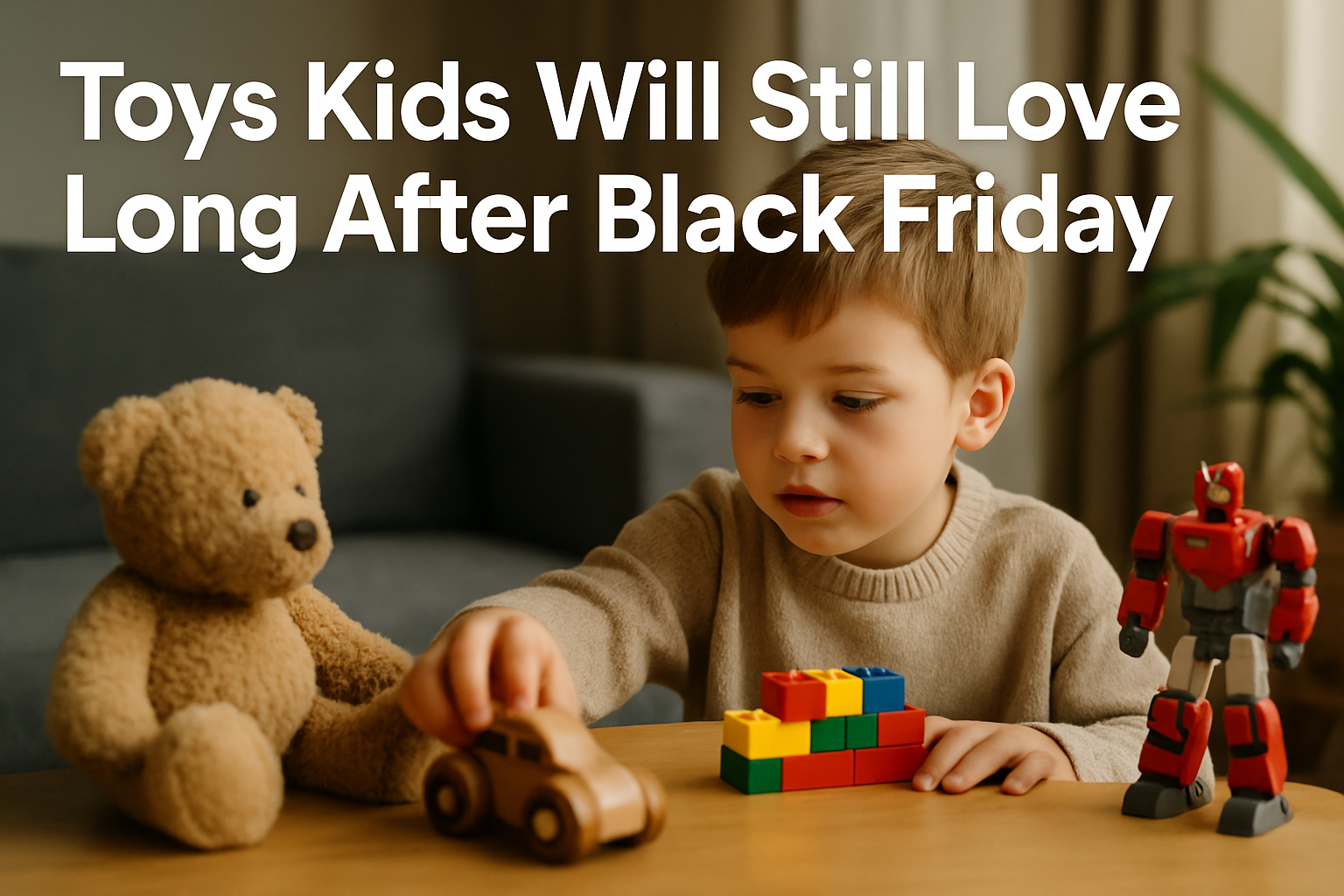

Playdoh remains a beloved and timeless modeling compound that captivates children across various age groups. This versatile substance encourages exploration of textures and shapes, offering endless possibilities for creative play. From simple sculptures to intricate designs, the tactile enjoyment of molding and shaping Playdoh stimulates children's imagination while honing their fine motor skills. The act of rolling, squishing, and cutting provides a sensory-rich experience that further engages kids' cognitive processes.
One of the major advantages of Playdoh is its adaptability to countless play scenarios. Kids can utilize their Playdoh in themed play setups—whether creating food for a dinner party, crafting animals for a make-believe zoo, or forming whimsical characters for storytelling. This ability to blend into various imaginative contexts not only fuels creativity but also promotes dexterity as children manipulate the compound in different ways.
Moreover, Playdoh is an excellent activity for collaborative play. Children can create together, share tools, and build upon one another's ideas. This not only enhances their social skills but also encourages communication and teamwork. As they laugh and engage in shared creativity, they form friendships and memories that last. Thus, Playdoh stands as a quintessential toy that nurtures both imagination and interpersonal connections, making it a favorite among children for generations.
Doll's houses and figures serve as timeless catalysts for imaginative play, allowing children to create their own narratives and scenarios. These toys stimulate creativity and role-play, providing a platform for kids to engage in storytelling and character development. Whether placing furniture in a doll's house or orchestrating a play scene with figures, the potential for imaginative exploration is limitless. Through this form of play, children not only develop their creative skills but also exercise their memory and cognitive abilities.
Additionally, doll's houses and figures can enhance social skills and emotional understanding. As children engage in role-playing, they act out different social scenarios that reflect their experiences and relationships. This play helps them navigate emotions and develop empathy for others, as they learn to see the world from various perspectives. The rich play possibilities foster interaction and dialogue between children, nurturing their ability to collaborate and communicate effectively.
The appeal of doll's houses can transcend generations, making them a cherished possession for many families. They often become heirloom pieces, passed down from one generation to another. The memories created in these homes allow children to cultivate connections with their heritage, further enriching their play. In this way, doll's houses and figures maintain their status as enduring favorites, igniting the imaginations of children for years to come.
Train sets are classic toys that continue to engage children for hours on end, offering a unique blend of fun and educational play. They encourage creativity as kids design intricate tracks, connecting different parts to form pathways for their trains. This construction involves spatial reasoning and planning skills, promoting cognitive development as children navigate the processes of building and modifying their layouts. The imaginative worlds created with train sets allow for endless storytelling and role-playing opportunities, further enhancing their enriching play potential.
In addition to fostering creativity, train sets help cultivate social skills. When children come together to share and play with train sets, they learn to communicate and negotiate, addressing how to create tracks or incorporate various characters into their scenarios. This collaborative aspect encourages teamwork and builds friendships as children work toward common goals while exploring their shared love for trains.
Moreover, the enduring popularity of train sets means they remain relevant as children grow. Young ones might start with basic setups, while older kids can expand their tracks or even engage in more complex storytelling. This evolution ensures that train sets adapt alongside children's interests and abilities, making them a flexible and long-lasting investment. Ultimately, train sets are more than just toys; they are gateways to creativity, social interaction, and learning that last beyond the holiday season.
The excitement surrounding new toys for kids in 2026 is undeniable. Each year brings fresh innovations designed to capture the imagination of children and enhance their play experiences. This year, the toy industry is focused on creating interactive and engaging experiences that foster not only fun but also important developmental skills. Toys are not merely objects; they play a pivotal role in shaping childhood memories and influencing a child's cognitive, social, and emotional growth. By offering modes of play that encourage exploration and creativity, toys become essential tools for learning.
This year has seen a significant emphasis on toys that appeal to the senses and promote interactive engagement. Sensory toys have gained popularity for their ability to stimulate various senses, thereby helping children process their experiences in a more grounded way. The tactile nature of many sensory toys assists in developing fine motor skills while providing comfort to children who may be overwhelmed by their environments. Interactive toys likewise encourage children to experiment, create, and problem-solve, crafting an environment where learning feels natural and exciting.
In addition, the importance of creativity in toy selection cannot be understated. Toys that inspire imagination, whether through open-ended play or the ability to customize and build, are highly sought after. Parents and caregivers are increasingly looking for toys that not only entertain but also educate and inspire innovative thinking. This trend reflects a broader understanding of the value that creative play holds in a child’s development. STEM-related toys—those that emphasize science, technology, engineering, and mathematics—are particularly favored as they provide foundational skills while keeping children engaged. In 2026, the combination of sensory engagement, creativity, and educational value are paramount in the pursuit of the best toys for kids.
When it comes to nurturing creativity in children, the right toys can make a significant difference. Creative play helps develop problem-solving skills, enhances cognitive abilities, and encourages self-expression. Offering kids toys that inspire imaginative thinking and exploration allows them to engage in open-ended play, where the outcomes are limited only by their imagination.
Magnetic tiles and blocks are excellent for encouraging building and exploring geometry. These toys come in various shapes and colors, allowing children to experiment with structure and balance. As kids create buildings or shapes, they develop an understanding of spatial relationships and basic engineering principles. The tactile nature of these pieces keeps young builders engaged, fostering critical thinking and design skills as they manipulate the tiles into complex configurations.
Building bricks, which come in various sizes and styles, also provide open-ended play. They enable children to dive into a world of possibilities where their creativity can flourish. Whether constructing a simple house or an elaborate fortress, these bricks inspire children to plan, execute, and sometimes even rebuild their ideas based on the challenges they encounter during play. This hands-on experience boosts creativity while promoting fine motor skills and hand-eye coordination.
Play silks are another fantastic option for imaginative play. Their versatile nature allows children to use them in multiple ways, from creating makeshift forts to dressing up as their favorite characters. These colorful pieces of fabric enhance storytelling and encourage role-playing, creating scenes that reflect their thoughts and experiences. By engaging in this type of unstructured play, children can express their emotions and develop narrative skills as they act out different scenarios with their silk props.
Collectively, these toys not only foster creativity but also support a myriad of cognitive and physical skills essential for a child’s growth. By encouraging imaginative play through diverse options, kids can explore different aspects of their personalities while having fun in the process.
Evergreen toys are specially designed playthings that foster creativity and social interaction among children. Unlike typical toys that may only entertain for a short period, evergreen toys offer endless play opportunities. They encourage open-ended play, allowing children to use their imagination to create various scenarios and stories. This type of play is vital for the cognitive and emotional development of children, as it helps to enhance problem-solving skills and allows for personal expression.
Open-ended play supports children's growth in numerous ways. It nurtures decision-making and critical thinking, as children often have to make choices about how to use the toys. Moreover, it promotes social skills, as children will frequently engage with peers during playtime. Whether they are sharing ideas or negotiating roles in a game, these interactions are fundamental for building communication skills and fostering friendships. As such, evergreen toys are essential in providing a balanced and enriching play experience that can adapt to different age groups and developmental stages.
What sets evergreen toys apart is their ability to captivate children’s interest over time. Rather than being a fleeting trend, these toys remain relevant and engaging as children grow. This adaptability is particularly important, as it allows parents to invest in toys that will last and provide sustained educational value. From toddlers exploring shapes and colors to older children constructing complex narratives, evergreen toys continue to challenge and inspire children throughout their developmental journey.
One of the primary characteristics of evergreen toys is that they are made from high-quality materials. Durable options such as wood and fabric not only promote safety during play but also offer tactile experiences that engage the senses. Toys crafted from natural materials are often more appealing to children, providing a warmth and authenticity that synthetic alternatives may lack. Parents can feel more assured knowing that these toys are not only safe but also environmentally friendly, catering to a growing concern about sustainability.
The variety of evergreen toys is expansive, with several types designed to cater to different interests and age ranges. Wooden marble tracks are a fantastic example, promoting cause-and-effect learning as children see how marbles navigate through various obstacles. Building blocks serve another critical role, allowing children to experiment with geometry and balance while fostering spatial awareness. Other notable evergreen toys include dolls that inspire imaginative role-play or dress-up clothes that let children explore identity and storytelling. Educational puzzles also fall into the evergreen category, offering structure while still enabling creative exploration.
Engagement is key when considering evergreen toys. Each type offers unique opportunities for children to not only play but also learn essential skills. Many of these toys can be utilized in multiple ways, ensuring that as children grow older, their uses evolve. This versatility ensures that evergreen toys are not simply transient belongings but rather timeless tools that facilitate learning and creativity for years to come. Through these diverse characteristics, evergreen toys become integral parts of a child’s developmental toolkit, enabling them to thrive in an ever-evolving world.
Toys play a significant role in a child's development, offering not only entertainment but also avenues for learning and creativity. Many parents can find themselves navigating the delicate balance between providing enjoyable experiences for their children and adhering to budget constraints. Affordable toys can deliver joy and enrichment without a hefty price tag, making them essential in fostering children's growth. They often stimulate imagination, encourage social interactions, and develop fine motor skills, all while being economically accessible.
When it comes to finding budget-friendly toys, there is a plethora of options that prioritize fun and engagement. Various retailers offer an array of toys designed to capture a child's attention and spark their creativity. From plush companions that provide comfort to building sets that promote critical thinking, these toys often resonate deeply with children. Eye-catching, colorful designs and engaging play patterns ensure these options remain favorites in children's playrooms. What's more, many of these toys are thoughtfully crafted to endure the rigors of active play, proving that affordability does not equate to a lack of quality.
A few notable categories of toys continue to be popular among kids, reflecting both affordability and lasting appeal. For instance, arts and crafts supplies provide endless opportunities for self-expression, allowing children to unleash their creativity without breaking the bank. Additionally, classic educational toys, such as puzzles and games, promote cooperative play while teaching valuable skills. Even simple outdoor supplies, like balls or kites, encourage physical activity and social engagement. By exploring these categories, parents can discover a treasure trove of toys that combine excitement with affordability, ensuring that their children can enjoy playtime to the fullest without financial strain.
When considering the realm of childhood playthings, the significance of timeless toys becomes abundantly clear. These are not merely items of the season; they are enduring companions that foster engagement and imaginative play far beyond holiday festivities. The value of such toys lies in their ability to consistently resonate with children, irrespective of changing trends and seasonal fads. They encourage creative thinking, problem-solving skills, and even collaborative play among peers, making them indispensable tools for childhood development.
Timeless toys often boast simple designs that stimulate a child’s imagination rather than dictate how to play. For instance, classic building blocks can transform into anything—from castles to vehicles—depending on a child’s creativity on any given day. This open-ended nature of play allows children to explore various scenarios, thus enhancing their storytelling abilities and social skills. Cognitive development is further stimulated as children learn to plan, design, and execute their play ideas, enabling them to engage in constructive activities that capture their interest for extended periods.
Moreover, the age of digital gadgets has led many to overlook the significance of traditional toys. However, toys that stand the test of time have a unique quality that digital devices often lack: the ability to foster interpersonal connections. When children engage in cooperative play with physical toys, they learn how to share, negotiate, and work towards common goals with their peers. Family interactions are also enriched through shared play experiences, creating cherished memories that focus on quality time. Thus, investing in timeless toys not only contributes to a child’s developmental milestones but also strengthens familial bonds, ensuring that these toys remain beloved items long after holiday celebrations have concluded.
Educational toys play a significant role in childhood development, fostering skills that are essential for a child's growth and learning. These toys are specifically designed to encourage creativity, problem-solving, and critical thinking. When children engage with these toys, they do much more than simply play; they are immersed in an environment that promotes exploration and discovery. Understanding how educational toys contribute to various aspects of development can empower parents and caregivers to make informed choices about the toys they provide to their children.
One of the distinguishing features of educational toys is their ability to support both cognitive and social skills enhancement through play. When children interact with toys that pose challenges, such as puzzles or building blocks, they develop essential problem-solving skills. Such tasks require them to think critically about how to approach the solution, thereby enhancing their analytical capabilities. Furthermore, many educational toys promote collaboration by encouraging children to play together, which cultivates teamwork and communication skills. This social interaction is invaluable, as children learn to express their ideas, listen, and share, which are fundamental skills for future relationships.
In addition to cognitive and social skills, educational toys also facilitate emotional development. As children navigate various challenges posed by these toys, they experience triumphs and setbacks, leading to a better understanding of their emotions. Toys that involve role play, for instance, allow children to explore different scenarios and perspectives, fostering empathy and emotional intelligence. These experiences help children recognize and manage their emotions and develop resilience. By engaging with educational toys, children are not merely entertained; they are provided with a safe space to learn, grow, and develop essential life skills that will serve them well into adulthood.
Classic toys hold a special place in the hearts of many, transcending generations with their timeless appeal. These toys are often defined by their simplicity and the creativity they inspire, making them favorites not just among children, but also among adults who fondly remember their own childhood experiences. The charm of classic toys lies in their ability to evoke nostalgia, creating a bridge across generations as parents and grandparents share their favorite toys with the young ones. This connection reinforces the idea that playtime is a universal language, fostering creativity and joy regardless of age.
The impact of classic toys on childhood memories is substantial. Playtime provides a space for imagination and exploration, and classic toys often serve as the catalyst for these experiences. Children can create their own stories and adventures, enhancing their social skills as they play with peers. The tactile experiences and hands-on interactions with these toys allow children to engage in active play, which is critical for their development. Such experiences create lasting memories, shaping how these toys are perceived over time. Whether it was building intricate designs, solving puzzles, or crafting imaginative scenarios, classic toys have played a pivotal role in molding childhood experiences.
Several classic toys continue to capture the interest of children today, showcasing their enduring appeal. A colorful cube with moving parts challenges players to align colors as they twist and turn its segments, providing both fun and mental stimulation. Rectangular drawing boards offer a canvas for artistic expression, allowing kids to create art without any mess. A classic coil spring, often used for walking down stairs, provides simple yet endless entertainment, demonstrating physics in action. Other engaging toys, such as a mystery prediction ball or a visual drawing tool, stimulate thinking and creativity with their interactive features. Meanwhile, the art of spinning and manipulating a simple string toy offers a delightful challenge that enhances dexterity and coordination.
These notable classic toys—each a staple of childhood—remain significant in today’s play culture. They exemplify the notion that play can be both fun and educational. By engaging children in problem-solving, creativity, and physical activity, these toys contribute to a holistic approach to development. Their ability to inspire interactivity and imagination solidifies their status as beloved items that generations continue to cherish. Through play with these classic toys, children develop critical life skills, while simultaneously creating their own memories to reminisce about in the future.
Selecting the right board games for children is essential for ensuring long-term enjoyment and engagement. When children are introduced to board games that are thoughtfully designed and age-appropriate, they are more likely to develop a lasting interest in the activity. Good board games not only entertain but also offer challenges that are intellectually stimulating, promoting critical thinking and problem-solving skills. This balance of fun and learning is key to creating a positive gaming experience that produces lasting memories for children and their families alike.
Moreover, the right board games can significantly enhance family bonding. Board games often require players to engage with one another, which promotes communication and cooperation. These interactions help develop social skills, such as turn-taking, patience, and empathy. As families gather around the table to play, they create shared experiences and traditions that enrich their relationships. These games become more than just a pastime; they transform into tools that strengthen familial ties and foster an environment of support and love. Over time, as children grow and their interests evolve, these games can serve as a bridge connecting them back to their childhood and encouraging family reunions or game nights.
Additionally, long-lasting board games often feature diverse gameplay mechanics and themes that cater to various interests and age groups. This variety ensures that as kids mature, they can still find enjoyment in the same games. For example, a game that starts simple enough for a young child can possess deeper layers of strategy that become more apparent as they grow older. This adaptability allows families to enjoy these games for years, as children can revisit them, bringing fresh perspectives and strategies each time. The social and cognitive benefits offered by board games ultimately create a rich, engaging experience that can continue to be appreciated across generations.
Emotional attachment in children is a profound phenomenon, particularly in the context of their relationship with toys. This attachment often begins at a young age when children start to form their identities and express their feelings. In essence, emotional attachment is the bond that develops when a child perceives a toy not just as an object, but as a companion and an integral part of their daily life. For children, toys can serve as stand-ins for friends, providing comfort, warmth, and companionship that contribute significantly to their emotional well-being.
Children often attribute human-like qualities to their toys, allowing them to create a world where these objects become alive in their imagination. This imaginative play allows for a deeper connection, as children may talk to their toys, share secrets, or even turn to them for comfort during challenging times. These interactions demonstrate that toys are much more than playthings; they serve as emotional outlets and tools for bonding, enabling children to navigate their feelings in a safe and nurturing environment.
Furthermore, the attachment to specific toys can also be influenced by key life events or the emotional state of the child, making certain objects sentimental. For instance, a stuffed animal received on a birthday might become a cherished companion reflecting joy and affection. Conversely, a toy that was present during a difficult moment may represent a source of comfort and stability. These attachments not only enrich a child's play experience but also affirm their need for companionship and security as they grow and develop.
The emotional connections that children forge with their toys significantly influence their growth, particularly in fostering trust and stability. When a child invests emotionally in a toy, it can create a sense of stability in an otherwise chaotic world. Toys can help develop routines and provide a semblance of control, which is especially important for young children who are still learning to navigate their surroundings. This foundation of trust established through their play is essential for healthy emotional development, allowing children to feel safe and secure.
Moreover, these emotional attachments have lasting effects on psychological growth. Children learn to express their emotions through their interactions with toys, which often serve as mediums for processing feelings of joy, sadness, or fear. For example, a child may reenact a stressful situation using their toys, allowing them to express and understand complex emotions in a manageable way. Such play not only aids in emotional regulation but also in the development of empathy, as children learn to care for their toys and even project feelings onto them.
Finally, as children develop these connections, they also learn important social skills. Through imaginary scenarios and role-playing with toys, children practice sharing, cooperation, and negotiation. These interactions lay the groundwork for future relationships with peers and adults, equipping them with the tools needed to interact positively and constructively in various social settings. The impact of emotional connections to toys transcends mere play; they play a critical role in shaping a child’s emotional and social landscape, making them invaluable to the holistic development of a child.
Selecting the right toy for children is a key factor in promoting their development and ensuring that the toys can withstand the rigors of play. Durable toys not only provide endless fun but also play a significant role in cognitive and physical growth. Children often engage in rough play, so choosing toys made from robust materials helps prevent breakage that could lead to accidents and injuries. Toys that stand the test of time allow for repeated use and can support varied developmental skills like motor function and problem-solving. Investing in higher quality, long-lasting toys contributes to a child's ability to explore and learn effectively.
When considering which toys will last through the years, several criteria must be factored in. First, materials matter significantly. Toys crafted from natural wood, high-quality plastics, or non-toxic finishes tend to endure more rigorous play and resist wear and tear. Secondly, the design of the toy is essential—consider options that offer versatility, meaning they can serve multiple purposes over time. A single toy that enables various types of play encourages creativity and can help sustain a child’s interest. Furthermore, consider toys that are easy to clean and maintain; this not only extends their lifespan but also ensures they remain safe and hygienic for continued use.
Another pivotal aspect of selecting durable toys is their age appropriateness. Toys that are designed with growth in mind can adapt to a child’s changing interests and developmental stages. Look for items that can grow along with the child, either through add-ons or features that allow for different levels of complexity. Finally, evaluating the brand's reputation for quality and safety can also guide parents in making informed decisions. By fulfilling these criteria, you can ensure that the toys you select are not just fun but can handle the wear and tear of childhood adventures.
When it comes to selecting toys for children, choosing those that adapt alongside their development can greatly enhance long-term engagement and enjoyment. Adaptive toys are designed to grow with your child, responding to their evolving interests and skills over time. Investing in such toys not only helps in making the initial purchase more worthwhile but also fosters a richer play experience. These toys often evolve in complexity and functionality, appealing to children as they mature and their cognitive, social, and physical abilities advance.
Moreover, the significance of choosing adaptive toys lies in their support of continuous skill development. As children engage with toys that cater to their growing needs, they can refine motor skills, enhance problem-solving abilities, and develop social interactions. For instance, toys that feature adjustable complexity allow children to start with simple tasks. They can gradually transition to more challenging activities as their capabilities improve. This characteristic encourages independent learning and motivates children to persist through challenges, cultivating resilience and adaptability.
Incorporating adaptive toys into playtime enriches not just the child’s growth but also the parent's experience. Parents can be assured that their investment will constantly provide value, nurturing their child's potential effectively. An environment that features toys allowing for growth and adaptability can foster a sense of safety and exploration. This promotes creativity, enabling children to express themselves freely as they experiment with different play styles and roles. Ultimately, adaptive toys play a vital role in a child's development, ensuring that play remains relevant, engaging, and educational as they embark on their journey through childhood.
Outdoor play is an essential aspect of childhood that fosters creativity, physical activity, and social interaction. Parents and caregivers are increasingly seeking toys that not only entertain but also encourage kids to step outside and enjoy nature. Fortunately, there are numerous options available to stimulate imaginative outdoor activities and promote healthy movement.
One type of toy that effectively promotes outdoor play is construction sets that encourage realistic role-playing. These toys allow children to engage in imaginative scenarios where they can build, explore, and learn about the world around them. They mimic real-life vehicles and equipment, broadening children’s understanding of how things work while keeping them active. Such play experiences can foster not only physical skills but also problem-solving abilities as kids navigate their imaginative worlds.
Another great choice for outdoor fun is sandcastle molds, which inspire creativity and artistry in a tactile environment. These molds allow children to design and build elaborate structures, enhancing fine motor skills while enjoying the sensory experience of playing with sand. The act of sculpting sand improves hand-eye coordination and promotes expressiveness in children, offering them the chance to experiment and create without restrictions. As kids work together to craft their beachside masterpieces, they also develop teamwork and communication skills, making this toy a multifaceted tool for development.
Finally, activity toys, such as trampolines, provide not just physical exercise but also a sense of thrill and excitement. Jumping on a trampoline can be highly engaging and offers cardiovascular benefits, all while allowing kids to expend pent-up energy. This type of active play enhances balance and coordination skills, as well as promotes overall fitness. Additionally, trampolines encourage social play, as children often gather in groups to jump and perform tricks, fostering friendships and cooperative play.
In conclusion, the right outdoor toys can significantly enhance children’s experiences outdoors. By selecting toys that encourage imaginative play, creativity, and physical activity, caregivers can ensure their kids not only enjoy their time outside but also develop valuable skills that will benefit them throughout their lives.
As we look forward to 2026, the significance of trending toys in shaping children's development and engagement becomes increasingly evident. Toys play a pivotal role in early childhood development, influencing motor skills, cognitive abilities, and social interactions. Trends in toys often reflect the changing dynamics of society and advancements in technology, ultimately impacting how children learn and interact with their environment.
By offering diverse experiences through play, trending toys foster creativity and problem-solving skills. The continued evolution in toy design emphasizes the need for products that promote not just entertainment but also developmental benefits. Engaging with these toys allows children to explore their imagination and encourages hands-on learning, which is vital in our fast-paced world.
Furthermore, these trends are influenced by various factors, including educational philosophies, parental preferences, and the integration of technology into everyday life. As sustainability becomes a hot topic among parents and educators, eco-friendly options are also gaining traction. This awareness cultivates a generation that values both innovation and responsibility, shaping how toys are designed and marketed.
The current preferences seen in popular toys include a diverse range, such as sensory toys, construction and creative toys, arts and crafts supplies, and outdoor toys. Sensory toys cater to children’s needs for tactile stimulation, promoting engagement through textures, sounds, and movement. These toys often incorporate elements that appeal to multiple senses, which is especially beneficial for children on the autism spectrum or those with sensory processing challenges. By engaging in play that stimulates their senses, children can develop essential cognitive and emotional skills.
Construction and creative toys present another strong trend, allowing children to express themselves and develop fine motor skills through hands-on building and designing. These toys encourage critical thinking and patience, as children plan and execute their projects. Additionally, they provide opportunities for collaborative play, where children can work together, share ideas, and learn from one another. This interaction fosters social skills and empathy, integral parts of childhood development.
Lastly, outdoor toys are making a comeback as families increasingly prioritize outdoor playtime. Engaging with nature and outdoor elements not only enhances physical fitness but also supports mental health and emotional well-being. Toys that encourage outdoor activity, like sports equipment and nature exploration tools, help children develop an appreciation for their environment, promoting a lifelong love for nature. These trends underline the importance of varied play experiences for healthy childhood development, emphasizing the significance of selecting toys that align with children's growth and interests.

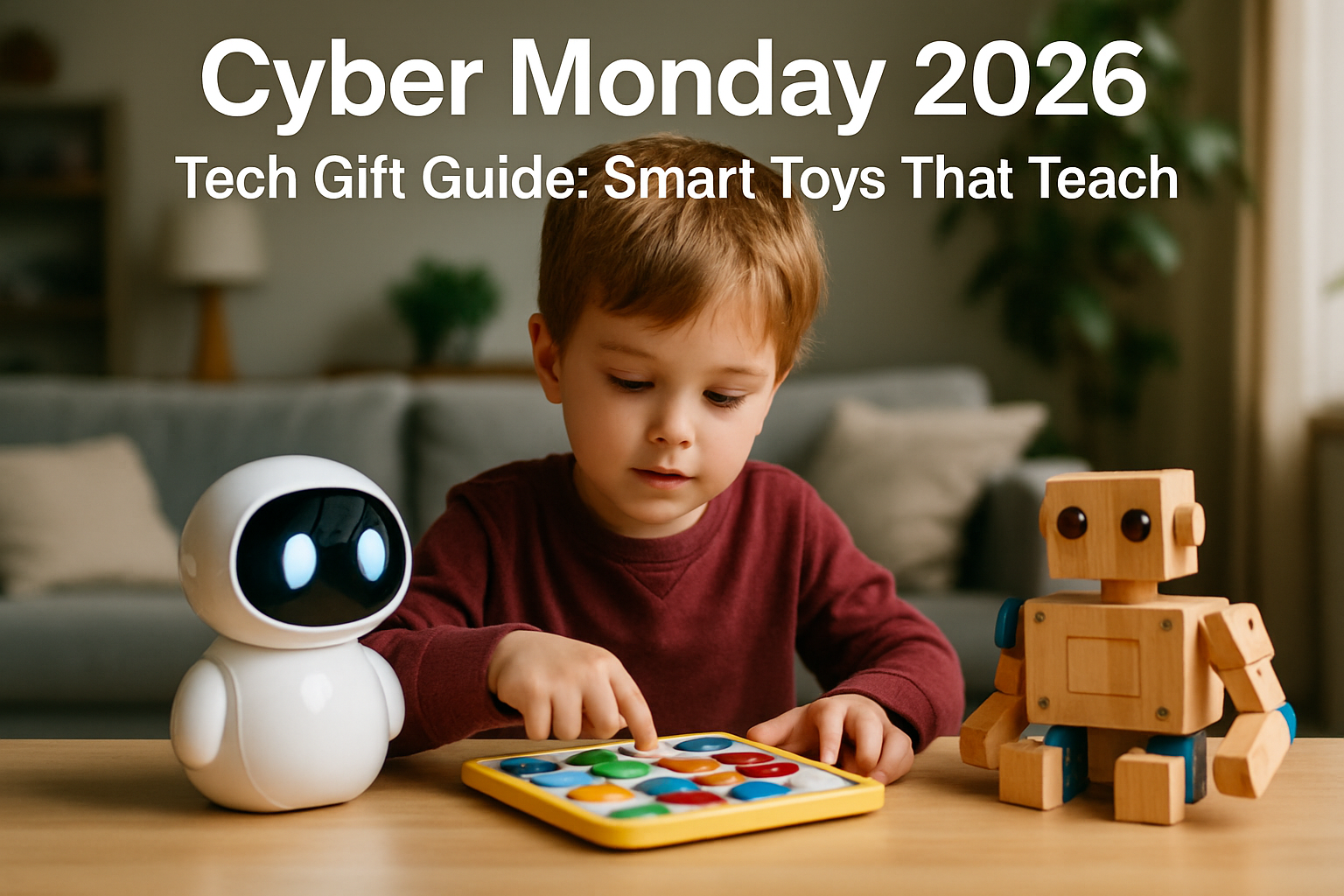

Timeless Toys Loved by Kids Playdoh Playdoh remains a beloved and timeless ...
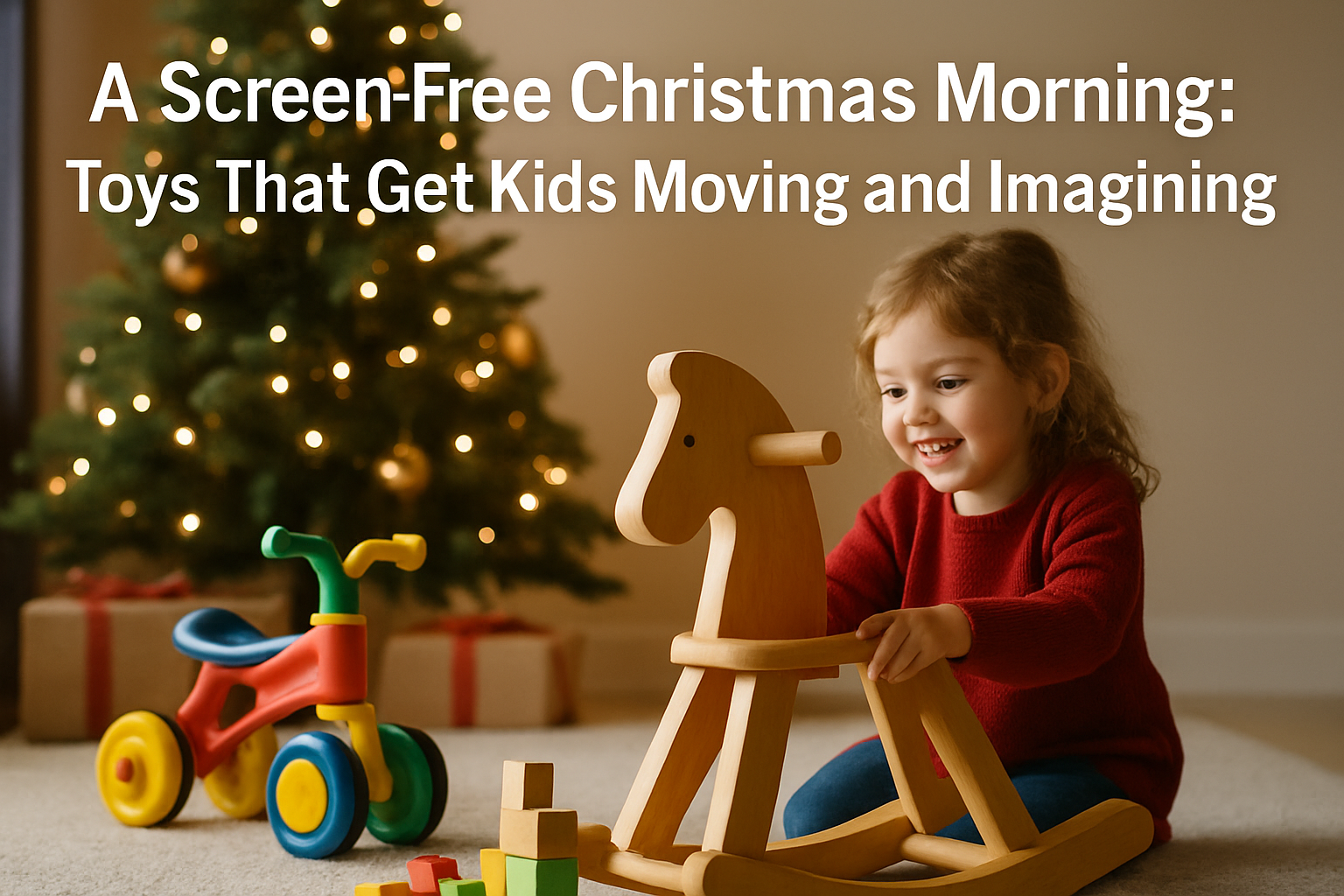

Timeless Toys Loved by Kids Playdoh Playdoh remains a beloved and timeless ...