25 Coolest Gifts for Grandchildren in 2026
Introduction to Educational GiftsDefining Educational GiftsEducational gifts ...

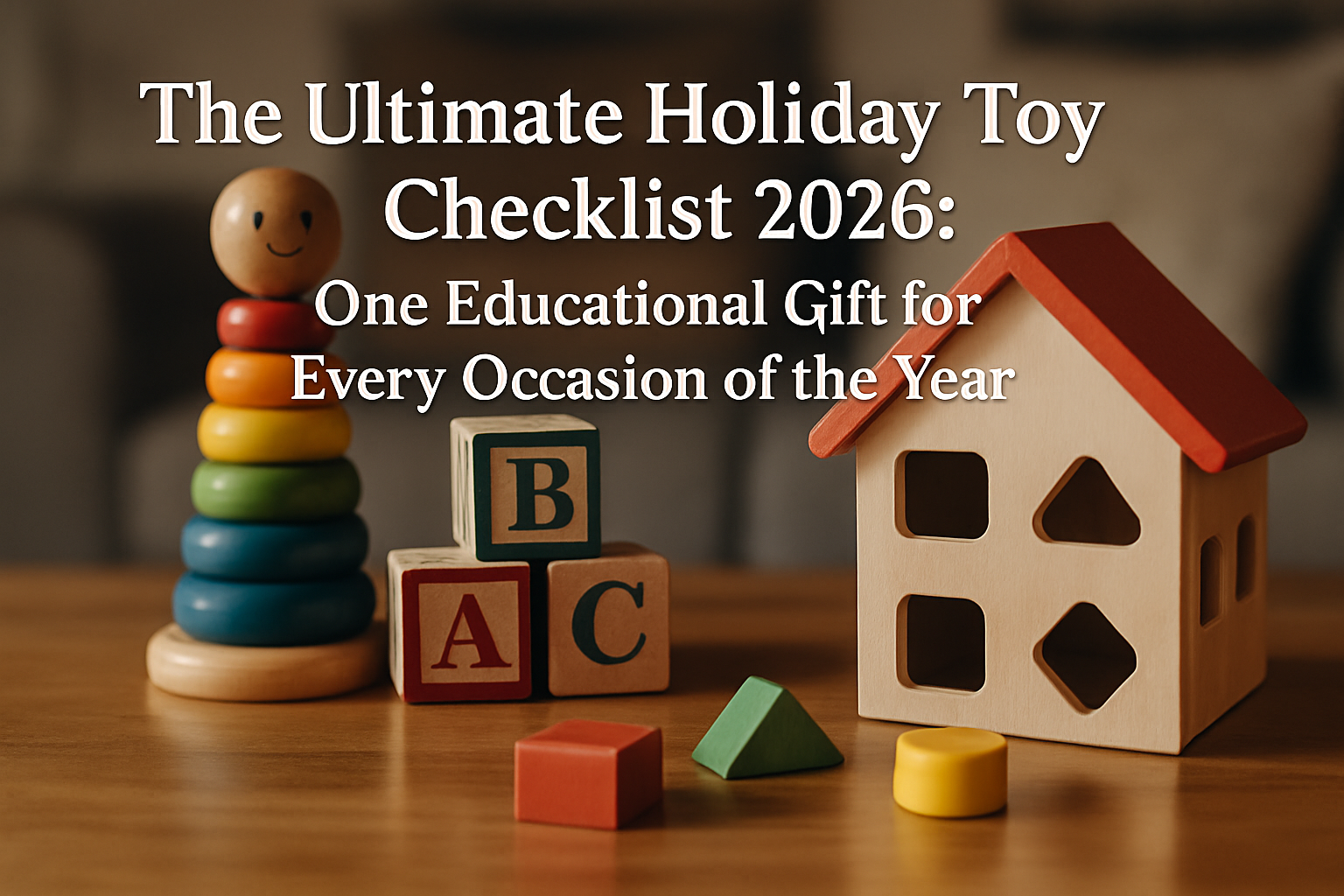

Educational gifts encompass a wide range of toys, games, and tools designed with the intent to foster learning and development in children. These gifts are not just for entertainment; they aim to spark curiosity, promote critical thinking, and enhance various skills. From STEM-focused toys that encourage scientific inquiry to creative kits that foster artistic expression, the concept is rooted in the idea that play can be a powerful tool for development. Educational gifts can serve as bridges between play and learning, making complex concepts more accessible and enjoyable for young minds.
The benefits of educational gifts for child development are manifold. They can enhance cognitive abilities, improve problem-solving skills, and boost social interaction through collaborative play. By engaging with educational gifts, children often experience improved memory retention and better concentration. This concept extends beyond mere academic learning; it also supports emotional and social development, helping children navigate interpersonal relationships through cooperative play and shared experiences. Ultimately, these gifts are designed to cultivate well-rounded individuals who are equipped to face the complexities of the world around them.
Different age groups have unique developmental needs, and educational gifts can be tailored to meet these changing needs effectively. For instance, infants may benefit from sensory toys that stimulate sight and touch, while toddlers might require building sets that develop fine motor skills. As children grow into school-age and adolescence, educational gifts can shift towards more complex subjects like robotics or science experiments that challenge their analytical skills and creativity. Understanding these differences allows caregivers to select gifts that are not only appropriate but also enriching, ensuring that learning continues seamlessly through play across various stages of childhood.
Selecting the right educational gift is vital for maximizing a child's engagement and learning. The impact of gift selection on child learning can manifest in various ways; the appropriate toy can ignite a passion for discovery or reinforce classroom lessons. Conversely, a poorly chosen gift may result in disinterest or frustration, detracting from the learning experience. Therefore, caregivers need to consider how a gift aligns with a child's developmental stage, interests, and individual learning styles.
The long-term benefits of educational gifts are substantial, as these gifts often contribute to foundational skills that support lifelong learning. Research suggests that early exposure to educational toys can improve literacy and numeracy skills, leading to enhanced academic performance. Moreover, gifts that encourage exploration and innovation can instill a growth mindset, fostering resilience and a love of learning well into adulthood. This approach can shape a child's academic journey and influence their eventual career paths, emphasizing the importance of thoughtful gift selection.
Parents and guardians play a critical role in gift choice, acting as facilitators of learning through their selections. By being aware of the educational values embedded in toys and games, they can make informed decisions that align with their child's interests and needs. Engaging children in this process can also empower them, allowing them to express their preferences and cultivate a sense of ownership over their learning experiences. This collaboration between adult guidance and child agency is key in nurturing a thriving environment where educational gifts can truly make an impact.
Celebrations throughout the year provide perfect opportunities for fostering learning and creativity in children. Each month presents a unique theme and occasion, allowing for educational gift ideas that encourage exploration, emotional development, and family bonding. Below is a detailed overview of various holiday celebrations, featuring suggestions that blend fun with education.
As the New Year begins, many people seek to inspire learning and growth. Educational gifts that are winter-themed can be a hit for New Year celebrations. Consider toys that explore winter weather, wildlife, and ecosystems, helping children learn about nature while enjoying play. Additionally, gifts such as science kits focused on snow or experiments related to winter can spark curiosity and encourage a deeper understanding of scientific concepts.
Another exciting aspect of January is the opportunity for families to engage in collaborative projects. Craft kits or educational puzzles that focus on New Year traditions from around the world can not only be enjoyable but can also serve as a learning experience about global cultures. These activities promote cooperative learning, allowing families to bond while expanding their knowledge of diverse customs.
Lastly, incorporating books that focus on winter themes can foster literacy in young minds. Choose stories that celebrate resilience, transformation, or the beauty of nature during wintertime. Pairing books with engaging activities related to the narrative can create a comprehensive educational experience, ensuring that learning continues well beyond the holiday.
February is synonymous with Valentine's Day, a celebration that emphasizes love and emotional literacy. Gift ideas centered around this theme can help children learn about compassion, kindness, and relationship building. Consider educational toys that promote social interaction and empathy, such as games that require teamwork or storytelling-based activities that encourage sharing feelings.
Craft projects that celebrate friendships or family love can also make excellent gifts. Items such as DIY card-making kits help children express their feelings creatively, enabling them to practice their emotional vocabulary while crafting meaningful gifts for their loved ones. Pairing these activities with discussions about emotional awareness can significantly enrich the learning experience during this month.
Furthermore, books that focus on themes of love, friendship, and understanding can complement gift choices. Selecting literature that discusses various types of love and the importance of emotional connections is a great way to foster discussions around these topics. Encouraging children to reflect on their relationships through the lens of these stories cultivates emotional intelligence and helps them understand the dynamics of human connections.
March ushers in the arrival of spring, alongside celebrations like the Spring Equinox and St. Patrick’s Day. Gifts that inspire creativity and imagination can be central themes for educational offerings during this month. Nature-themed art supplies or outdoor exploration kits are excellent choices that encourage children to engage with their environment, sparking their imagination.
St. Patrick’s Day is another opportunity to explore cultural traditions. Consider gifts that highlight Irish folklore, such as stories about leprechauns and their magic. Educational games focused on geographic knowledge can teach children about Ireland's location and culture while making the learning process enjoyable and immersive.
Incorporating STEM-focused toys that encourage problem-solving and innovative thinking is also beneficial during this festive month. Science-themed kits that can be tied to the arrival of spring, such as gardening projects or simple machines, can help children understand the world around them. These educational gifts make learning an adventure, encouraging children to think critically and creatively as they explore the phenomena of nature and culture around them.
April is synonymous with Earth Day, a powerful reminder of environmental awareness and sustainability. Celebrating this day with educational gifts can promote eco-consciousness in children from a young age. Consider items such as nature exploration kits or renewable energy projects that teach kids about the environment’s fragility and encourage them to think about ways to make a positive impact.
Incorporating play into learning is effective, and gifts that allow for hands-on activities, such as gardening tools tailored for children or craft kits made from recycled materials, are perfect. These activities provide practical experiences that illustrate the importance of caring for the planet, reinforcing the concepts of sustainability and conservation in an engaging manner.
Reading books focused on Earth Day themes can further deepen understanding. Titles that discuss ecosystems, climate change, or waste reduction serve as excellent resources for educating children in a meaningful way. Coupled with outdoor activities like planting trees or cleaning up local parks, these gifts ensure children not only learn about environmental stewardship but also actively participate in protecting their planet for future generations.
May brings Mother’s Day, a wonderful occasion to celebrate maternal bonds. Selecting gifts that include educational elements can promote shared experiences among family members. For instance, consider gifting interactive reading kits that encourage mothers and children to read together, strengthening their relationship while fostering literacy.
Creating bonding experiences through educational cooking or gardening projects is another splendid idea. Kits that introduce children to simple dishes or planting techniques not only teach practical skills but also highlight the importance of family time spent together. These activities encourage familial support and collaboration, positioning learning as a shared journey.
Another excellent idea for Mother's Day gifting is choosing crafts that celebrate family memories. Scrapbooking kits or photo projects provide children with a chance to express their love creatively. Engaging in these activities reinforces family connections and helps children appreciate their heritage, fostering a sense of belonging and family pride.
June celebrates Father’s Day, providing another occasion to gift educational toys that can enhance learning while enjoying summer outdoors. Outdoor games and kits that focus on science, technology, engineering, and math (STEM) can be exciting gifts for dads and children to explore together. Engaging in physical activities fosters not only fun but also skills in teamwork and strategy.
Consider interactive projects that promote family bonding through shared learning experiences. Gardening tools designed for children allow fathers and their kids to work side by side, learning about nature's cycles while creating memories. Such activities enhance communication and collaboration skills while helping children understand the importance of nurturing living things.
Moreover, educational books about fathers in various cultures can enrich the holiday's theme. Combining storytelling with lessons about diverse family structures provides an opportunity for discussions around family values, enhancing children's understanding of different perspectives on fatherhood.
Independence Day in July offers a unique chance to promote history and culture through educational gifts. Consider items that celebrate historical contributions, such as fun puzzles or games that teach children about America’s journey to independence. These offerings not only provide entertainment but can also serve as valuable discussion starters about democracy, citizen involvement, and cultural heritage.
Crafts that relate to patriotic themes or historical narratives provide opportunities for creativity as well. Children can create their own decorations or read stories that narrate significant events from their country’s past, grounding their learning in context and fostering a sense of national pride.
Activities that emphasize cooperative learning, such as projects that require teamwork to build something reflective of Independence Day, further enhance the educational aspect of the celebrations. Engaging in discussions about responsibility and citizenship through these activities can enrich children’s understanding and appreciation for their history and culture.
August signals the back-to-school season, serving as a pivotal time for educational preparation. Gifts that support this transition can ease children into a learning mindset. For example, consider items that enhance learning at home, such as organizational tools or educational games that reinforce subjects they will encounter in the school year ahead.
Workbooks or activity sets focused on subjects they will study can not only prepare children academically but also provide confidence as they approach the school year. Pairing these with tools for enhancing study skills, such as timers or planners, helps children learn personal responsibility and time management.
Lastly, cultivating a positive attitude towards learning can be promoted through discussions about goals and aspirations. Family activities that involve setting educational objectives for the upcoming year encourage children to reflect on and articulate their academic interests and desires, making the transition to school exciting and motivating.
With the arrival of autumn in September comes the opportunity to celebrate the harvest season. Gifts that connect with these themes can encourage hands-on learning experiences. For instance, consider providing children with kits that allow them to explore the growth of plants, whether through gardening or science experiments related to food.
Additionally, crafting materials that utilize natural elements, such as leaves and seeds, can provide an engaging means to learn about seasonal changes and environmental science. Activities that tie creativity with the changing seasons foster an appreciation for nature while promoting imaginative play.
Books that delve into themes of gratitude and community through the lens of the harvest are also impactful. Reading together and discussing the significance of sharing and giving back cultivates values rooted in empathy and connection. Engaging children in projects that involve supporting their community through food drives or local events reinforces the importance of togetherness, especially during this transition into fall.
October is synonymous with Halloween, presenting ample opportunities for fun educational gifts. Consider toys or activities that incorporate problem-solving skills and creativity, such as construction kits or craft projects that allow children to design their own costumes or decorations. Engaging in problem-solving activities not only keeps learning exciting but also allows children to express themselves artistically.
Additionally, books that focus on Halloween themes but also integrate educational messages, such as lessons on bravery or friendship, can provide a deeper context for the festivities. Discussions about fears and overcoming challenges can enrich storytelling experiences, fostering emotional growth while enjoying the holiday spirit.
Lastly, hands-on science experiments related to Halloween, like exploring the science of pumpkins or creating safe 'mad scientist' concoctions, can blend fun with learning. Such experiences reinforce scientific concepts while aligning with the playful nature of the holiday, ensuring that education remains enjoyable and captivating.
In November, Thanksgiving provides an opportunity to reflect on gratitude and sharing. Educational gift ideas that encourage family gatherings and traditional games can enrich the holiday experience. Consider activities that promote storytelling, where family members share stories or express thanks, helping children appreciate their roots and familial connections.
Crafts centered around thankfulness, such as gratitude journals or art projects that celebrate what they are thankful for, can stimulate personal reflection. These activities foster awareness of the importance of gratitude, encouraging emotional and social development while strengthening family bonds.
Moreover, games that require cooperation and collaboration can enhance connections among family members. These activities not only provide entertainment but emphasize values of teamwork and sharing, reinforcing essential social skills during this family-oriented time of year.
As the year comes to a close, December is filled with winter holidays that create opportunities for educational gifts combining fun and learning. Consider items that inspire wonder about winter traditions around the world, such as books that explore festivities or crafts representing different cultural practices. These experiences help children appreciate diversity and understand the richness of global traditions.
Additionally, games that encourage family participation, such as trivia or cooperative storytelling based on holiday stories, can enhance learning while creating lasting family memories. These activities not only promote engagement but also bolster communication skills and encourage critical thinking.
Lastly, wrapping up the year with projects that cultivate reflection, like creating a scrapbook of the year’s highlights, allows children to articulate their experiences and thoughts. This process encourages them to recognize growth, celebrate achievements, and set aspirations for the upcoming year — making the holiday season both a time of joy and introspection.
Selecting the right educational gift for children involves multiple criteria that can significantly impact their development and enjoyment. This selection goes beyond mere preference; it requires careful consideration of age appropriateness, interests and skills development, as well as quality and safety. These criteria ensure that the gifts chosen foster learning while also being engaging and safe for children to use.
When choosing educational gifts, age appropriateness stands as a primary criterion. Selecting gifts that align with the developmental stage of a child is vital. Toys designed for a specific age range often cater to the cognitive, motor, and emotional development typical of that group. For instance, simple building blocks may be perfect for toddlers, as they enhance fine motor skills and spatial awareness. Conversely, more complex puzzles and imaginative role-play sets might be suitable for older children, supporting critical thinking and creativity.
Another aspect of age appropriateness involves considering the safety features of the gifts. Toys designed for younger children should not pose choking hazards or other risks. As children grow and their abilities evolve, educational gifts should continue to stimulate their curiosity and challenge them just enough to promote learning without causing frustration. By aligning gifts with the appropriate age range, caregivers can ensure that children not only enjoy the toys but also gain meaningful educational experiences.
Educational toys and gifts that align with developmental milestones can greatly enhance a child's learning journey. Gifts that do not meet these age criteria may either disengage children or lead to potential safety concerns. Therefore, paying attention to developmental stages while selecting gifts helps caregivers nurture a child's abilities in a safe and engaging manner.
Fostering a child’s interests is crucial in the selection of educational gifts. Matching presents to a child's existing interests often leads to higher engagement levels. For example, if a child shows an affinity for science, educational kits that allow them to experiment with chemistry or learn about ecosystems can be highly motivating. Similarly, a child interested in art might benefit from creative supplies that facilitate expression and skill development.
Additionally, educational gifts can play a significant role in supporting various skills development beyond mere enjoyment. Gifts that encourage problem-solving, teamwork, and creativity can enhance critical thinking and social skills. Incorporating elements that spark a child’s curiosity can lead to meaningful learning moments, ensuring they derive value from the gift. By intentionally selecting gifts that nurture personal interests while promoting essential skills, caregivers can empower children to explore their capabilities more fully.
Moreover, aligning gifts with developmental skills encourages children to pursue their passions more deeply. A well-selected educational toy or resource can ignite a lifelong interest in a particular field, fostering both confidence and enthusiasm. This not only supports immediate learning but also lays the groundwork for future educational endeavors and career paths, making the selection process an investment in the child's future.
Quality and safety are non-negotiable factors in the selection of educational gifts. High-quality materials ensure durability and longevity, which are critical aspects of any toy. Toys that withstand wear and tear contribute not only to safety—less risk of breakage—but also enhance the overall learning experience by remaining functional for longer periods. When children engage with quality items, they are more likely to fully immerse themselves in play and learning, maximizing educational outcomes.
Furthermore, safety certifications are key indicators of whether a toy meets established safety standards. Parents and caregivers should look for appropriate labeling and certification marks that signify compliance with safety regulations. This contributes peace of mind, ensuring that the toys are free from harmful chemicals and other hazards. A commitment to safety should align with a focus on quality, as educational gifts should not only stimulate cognitive development but also ensure a safe environment for play.
In conclusion, prioritizing both quality and safety ultimately enhances the learning experience. By investing in gifts that are built to last and have passed rigorous safety tests, caregivers can confidently provide educational tools that support children's growth. The intersection of quality, safety, and educational value not only enriches a child's learning journey but also reinforces the importance of making informed gift selections.
Selecting educational gifts can profoundly influence a child's development and learning journey. Throughout this discussion, we've highlighted the importance of choosing gifts that not only entertain but also inspire curiosity and foster skills that are vital for their future. From books that ignite imagination to interactive games that enhance critical thinking, the options are vast and varied. The key is to align gift choices with a child’s interests and developmental stages, ensuring that the learning experience is both joyful and impactful.
It’s essential to prioritize educational value when engaging in gift-giving. In our fast-paced world, it's easy to be swayed by trends or superficial popularity. However, focusing on gifts with lasting educational merit creates opportunities for exploration and discovery. Consider gifts that encourage problem-solving, creativity, and emotional intelligence. These gifts can introduce children to new ideas, help them navigate challenges, and encourage a lifelong love for learning that extends beyond the classroom.
Ultimately, the thoughtful selection of educational gifts can leave a lasting impression on a child's growth. Each gift opens doors to new knowledge and experiences, shaping their perspective and influencing their future endeavors. As gift-givers, we hold the power to spark a passion for learning, and with that comes the responsibility of choosing wisely. By embedding education into our gift-giving practices, we can play a key role in nurturing well-rounded individuals who are prepared for the complexities of tomorrow.



Introduction to Educational GiftsDefining Educational GiftsEducational gifts ...

Introduction to Educational GiftsDefining Educational GiftsEducational gifts ...