

What Classroom Toys and Items Are Kids Most Drawn To?
Introduction to Sensory Toys and Child Development Understanding Sensory Toy...

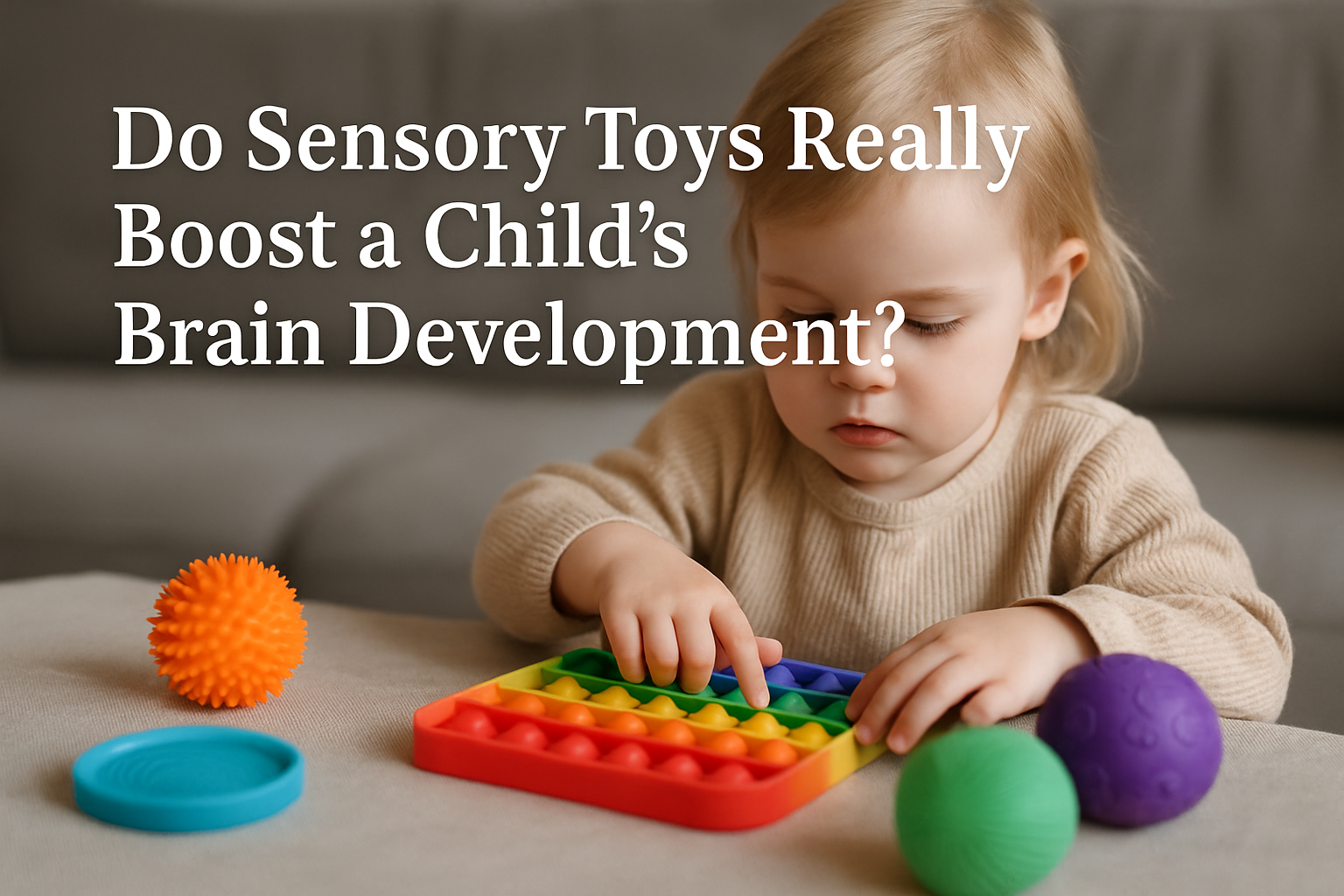

Sensory toys are specially designed to stimulate a child's senses, such as touch, sight, sound, smell, and movement. Their primary purpose is to provide unique, engaging experiences that foster sensory exploration and development. Unlike traditional toys, which may focus solely on imaginative play or skill development, sensory toys encourage hands-on interaction and multi-sensory experiences. These toys often include a variety of textures, sounds, or visual stimuli, catering to the diverse needs of children, especially those who may struggle with sensory processing.
The importance of sensory toys in child development cannot be overstated. Engaging with these toys allows children to cultivate critical skills, such as problem-solving, fine motor abilities, and emotional regulation. By interacting with sensory toys, children create new neural connections in their brains, which are fundamental for cognitive growth. Such developmental experiences lay a strong foundation for essential life skills, as children learn to navigate their environments through hands-on exploration.
Additionally, sensory toys promote a connection to hands-on exploration, immersing children in tactile experiences that enhance their understanding of cause and effect. For instance, engaging with a textured ball or a sensory bin filled with various materials encourages children to use their senses to discover new concepts and ideas. This experiential learning is vital as it allows children to make meaningful connections between their sensory experiences and the world around them.
Sensory play encompasses activities that engage a child's senses, promoting sensory exploration that is critical for healthy development. This type of play is significant because it not only supports cognitive skills but also fosters social interactions and emotional intelligence. By participating in sensory activities, children learn to communicate their thoughts and feelings, which aids in building their language skills and social competence.
The senses involved in sensory play include touch, sight, hearing, smell, and taste. For example, tactile experiences such as playing with sand or water stimulate the sense of touch and allow children to explore different textures. Visual stimulation can come from colorful toys or light patterns, while auditory experiences may involve musical instruments or sound-making toys. Engaging multiple senses in play enhances memory retention, encouraging children to process information more effectively.
Moreover, the connection between sensory experiences and neural development is profound. Research shows that engaging in sensory play promotes the growth of new neural pathways, which is particularly critical during the early years of a child’s life. This brain development is essential for acquiring various skills, from learning letters and numbers to socializing with peers. Ultimately, sensory play provides children with the foundational experiences necessary for thriving in school and social settings.
Sensory play is instrumental in a child's growth and development, engaging their senses in ways that are both enjoyable and beneficial. The tactile experiences offered by sensory toys allow children to explore different textures, sounds, and movements, stimulating brain activity and encouraging curiosity. One of the major benefits of such play is its impact on brain development. When children interact with sensory toys, they are not only having fun but also actively creating neural connections. These connections are vital as they help in processing and responding to sensory information, which plays a crucial role in learning.
In addition to cognitive development, sensory play is essential for enhancing fine motor skills. Manipulating sensory toys requires children to use various hand movements, thereby improving their dexterity and coordination. Activities like squeezing, pressing, and pouring help strengthen hand muscles, which are foundational for later skills such as writing and self-care tasks. Moreover, sensory play supports emotional regulation. Engaging with sensory toys can have a calming effect on children, reducing anxiety and tantrums. This calming influence allows children to manage their emotions better, fostering a sense of security and comfort.
Furthermore, sensory play encourages social interaction among children. Whether in a group setting or playdates, sharing sensory materials prompts collaboration and communication. Children learn to take turns, share ideas, and express feelings, enhancing their social skills. Additionally, through shared play experiences, they develop language skills as they describe their actions and the textures they encounter. In essence, sensory toys are invaluable tools that not only foster creativity but also enrich children's interactions and communication.
The advantages of sensory play extend far beyond immediate satisfaction; they pave the way for long-term benefits that impact various facets of development. For instance, enhanced brain development stemming from sensory experiences influences a child's capacity to learn throughout their academic journey. As children link sensory input with intellectual activities, they develop critical thinking and problem-solving skills. This foundation is essential not only for learning in early childhood but also for future educational endeavors.
As children continue to engage with sensory toys, they can observe significant improvements in their language skills. Diverse sensory experiences introduce new vocabulary and concepts, allowing children to express themselves more effectively. Moreover, as they play with peers, the collaborative nature of sensory play acts as a medium for rich dialogue, further solidifying their linguistic abilities. This verbal interaction, paired with the sensory experiences, creates a potent learning environment conducive to mastering language.
Additionally, the development of fine and gross motor skills is fundamentally supported by continuous sensory play. Activities that involve manipulation of objects or navigating through diverse sensory environments enhance physical coordination and strength. Consequently, children are likely to become more adept at physical tasks, which can boost their confidence in both play and academic settings. The cultivation of creativity and independent thinking also emerges as children experiment with sensory toys, leading to imaginative play scenarios. As their problem-solving ability expands, children learn to think outside the box, fostering a lifelong love for exploration and discovery.
Sensory toys play a vital role in stimulating various senses, enhancing developmental skills, and promoting learning experiences. Each category of sensory input engages a different sense, paving the way for mentally stimulating and fun interactions for all age levels.
Tactile sensory toys are designed to stimulate the sense of touch, which is a foundational aspect of sensory development. These toys allow children to explore different textures and sensations, promoting fine motor skills and dexterity in the process. Items such as kinetic sand and fidget tools serve as excellent examples; they provide varying levels of resistance and texture, encouraging children to manipulate and explore them.
The benefits of tactile toys extend beyond mere enjoyment; they are particularly advantageous for sensory seekers who crave physical stimulation. Engaging with these toys can help improve a child's grasping abilities, hand-eye coordination, and even provide calming effects to reduce anxiety. For children with sensory processing challenges, tactile toys can act as tools for self-regulation, offering a means to ground themselves through physical interaction.
Moreover, tactile sensory play can encourage creativity. Sensory bins filled with various materials create opportunities for imaginative play, allowing children to construct, mold, and design their own scenarios. This hands-on approach not only assists in developing fine motor skills but also enriches cognitive development, as children learn through exploration and discovery.
Visual sensory toys focus on stimulating the sense of sight through vibrant colors and intricate patterns. These toys are engineered to captivate children’s visual attention and engage them in a world of exploration. Visual stimulation is essential for developing critical skills such as visual processing and attention span, both of which are integral to a child's learning journey.
Research indicates that visual sensory play can enhance cognitive abilities, including the capacity to distinguish between colors and patterns, recognize shapes, and enhance memory retention. By utilizing toys that capture the eye, children can experience the excitement of visual discovery, allowing them to form connections with their surroundings.
Additionally, incorporating visual sensory toys into play experiences provides opportunities for cooperative learning and social interactions. When children work together to explore visual stimuli, they practice communication and develop teamwork skills. This collaborative aspect of play can significantly impact social development, reinforcing the importance of shared experiences.
Engaging the sense of hearing, auditory sensory toys play a crucial role in a child's developmental toolkit. These toys can range from simple musical instruments to sound-producing devices that produce various tones and rhythms. The dynamic range of sounds captures children’s attention and helps foster auditory discrimination—a vital ability for effective communication and language development.
Through the use of auditory toys, children are not only entertained but also educated. Exposure to different sounds and rhythms enhances listening skills, which are essential for following directions and engaging in conversations. Furthermore, such toys can promote attention skills as children learn to focus on specific sounds amidst background noise.
Playing with auditory sensory toys can also serve as an emotional outlet. Music and sound can evoke feelings, assisting children in conveying emotions and developing emotional intelligence. As children experiment with creating sounds or rhythms, they tap into their creativity, leading to imaginative play that nurtures both their emotional and cognitive development.
Proprioceptive and vestibular sensory toys are pivotal in enhancing a child’s movement and body awareness. These toys, which include swings, trampolines, and balance boards, encourage physical activity and proprioceptive feedback, aiding in the development of coordination and balance. Engaging with these toys promotes muscle tone development and overall strength, which are crucial for gross motor skills.
By targeting core muscles and enhancing body awareness, children learn how to control their movements, increasing their confidence in physical activities. Activities that involve swinging or bouncing can also provide vestibular stimulation, which is critical for helping children understand spatial orientation and their body’s position in relation to their environment.
Moreover, incorporating proprioceptive and vestibular toys into play enhances social interactions, as children often engage in these activities together. This aspect of cooperative play not only builds physical skills but also fosters communication and teamwork, vital components of their social development.
Multi-sensory play toys are designed to engage multiple senses simultaneously, creating enriching and holistic learning experiences. These toys can be particularly effective in fostering cognitive development, as children use various senses to explore and learn about their environment at once. By engaging in play that stimulates sight, sound, and touch, children are encouraged to make connections across different sensory modalities.
The integration of multiple senses during play has shown to improve attention spans, as it captures children's interest and maintains their focus. When children interact with multi-sensory toys, they are often more likely to stay engaged in the activity longer, providing ample opportunities for learning and development. This immersive play experience leads to durable learning that can benefit a child’s cognitive abilities and memory retention.
Additionally, multi-sensory toys can offer unique adaptations for children with sensory processing disorders. By allowing children to engage in play that supports various sensory needs, caregivers can create tailored learning experiences that promote inclusivity and accessibility. This kind of play not only enriches developmental outcomes but also encourages emotional bonds between children and caregivers.
Numerous scientific studies have shed light on the significant role of sensory play in facilitating multiple dimensions of child development. This type of interactive play engages children in experiences that enhance their cognitive abilities, motor skills, psychosocial interactions, emotional regulation, and linguistic capabilities. Sensory toys, which stimulate various senses—sight, sound, touch, smell, and even taste—create a rich environment conducive to exploration and learning. As children manipulate these toys, they gain insights into how different stimuli affect their behavior and reactions, thereby promoting an intricate understanding of their surroundings.
Research indicates that children who participate in multi-sensory learning environments often show improved performance compared to their peers in traditional educational settings. The hands-on experiences offered by sensory play allow for a deeper engagement with concepts and ideas, leading to better retention and understanding. This multi-faceted approach to learning can be instrumental in helping children overcome challenges in a conventional classroom setting, as it caters to diverse learning styles and preferences. By engaging all their senses, children not only absorb information more effectively but also develop a lifelong love for learning.
Furthermore, sensory play serves as a catalyst for enhancing social interactions among children. When engaged with sensory toys, children learn to share, communicate, and cooperate, laying down a foundation for collaborative problem-solving later in life. The emotional benefits of such interactions cannot be overlooked; the joy of discovery and the satisfaction of problem-solving yield a sense of accomplishment that boosts self-esteem. Therefore, research reflects that integrating sensory play into early developmental stages offers holistic growth opportunities for children.
Sensory interaction is pivotal in fostering cognitive development, particularly in the enhancement of problem-solving skills. When children engage with sensory toys, they are often faced with challenges that require them to think critically and strategically. For instance, manipulating a toy that changes form or texture can prompt children to ask questions, hypothesize, and experiment. This process cultivates an environment where inquisitiveness and exploration drive learning, making these sensory-rich experiences invaluable in shaping young minds.
One of the crucial aspects of cognitive growth through sensory play is the understanding of cause-and-effect relationships. Children learn that their actions directly influence outcomes—if they press a button on a toy, it may light up or produce a sound. This fundamental concept is essential in developing logical thinking and reasoning skills. As children experiment with sensory toys, they hone their ability to predict and analyze outcomes based on their experiences, thereby nurturing their cognitive processes. Such interactions reinforce critical thinking, allowing children to approach problems with confidence and creativity.
Additionally, experiential learning forms a strong foundation for cognitive processes. By engaging in sensory play, children are not just passive recipients of information; they actively participate in creating knowledge through experiences. This approach aligns well with contemporary educational theories that emphasize learning by doing. As children explore their environment through sensory stimuli, they internalize concepts, making connections between new information and previously acquired knowledge. This bridging of experiences significantly enriches their cognitive development, equipping them with the skills necessary to navigate complex challenges in the future.
Sensory toys play a pivotal role in supporting children with Autism Spectrum Disorder (ASD). These toys are designed to engage the senses, helping children process sensory information in a more manageable way. By providing tactile, visual, and auditory stimulation, sensory toys can significantly improve sensory integration, which is crucial for children with autism. This is important because many children with ASD experience difficulty in processing sensory information, leading to challenges in everyday situations. The appropriate sensory tools can assist in bridging the gap between overwhelming sensory experiences and the child's ability to respond to them.
One of the primary functions of sensory toys is to assist in managing sensory overload. Children with autism may be more sensitive to sensory input, leading to feelings of anxiety or distress in busy or loud environments. Sensory toys, such as fidget spinners or textured balls, can provide a calming focus, allowing children to redirect their attention and manage their feelings of overwhelm. This redirection can help them regain a sense of control during overwhelming situations, ultimately improving their emotional regulation skills. Moreover, these tools can serve as a means of self-soothing, creating a smoother transition into more challenging environments.
In addition to helping manage sensory overload, sensory toys also have a significant impact on relaxation and focus. By engaging multiple senses, these toys can promote a sense of calm, which is beneficial for children who may struggle with anxiety or hyperactivity. For instance, a child may use a squishy toy to squeeze and relieve tension, aiding in relaxation. As they become more relaxed, their ability to concentrate on tasks at hand improves, paving the way for enhanced learning experiences. Ultimately, incorporating sensory toys into daily routines not only fosters relaxation but can also enhance overall focus and attention in children with ASD.
Choosing the right sensory toys plays a significant role in supporting children's development. It is essential to carefully observe children's play patterns. Understanding how they interact with different toys provides insight into their sensory needs and preferences. Each child engages with their environment uniquely, guided by their individual interests and sensory processing types. By paying attention to these patterns, caregivers can select toys that not only capture a child's attention but also promote development in areas such as motor skills, cognitive functioning, and emotional well-being.
In addition to observing play patterns, assessing sensory preferences is equally important. Different children have varying sensory profiles; some may be more sensitive to certain stimuli while others seek out sensory input. Recognizing these preferences will help in picking toys that align with what excites or soothes a child. For instance, a child who enjoys tactile experiences may benefit from toys with different textures, while another who seeks visual stimulation might be drawn to brightly colored or light-emitting toys. This personalized approach ensures that chosen toys are engaging and promote positive experiences during play.
Types of sensory input are also essential factors to consider when selecting sensory toys. The primary categories of sensory input include touch, sight, sound, taste, and smell. Toys that incorporate multiple senses can enrich play experiences and foster exploration. Age-appropriateness is another critical aspect; toys must align with children's developmental stages. Toys that are too advanced or not challenging enough can lead to frustration or disengagement. Therefore, selecting age-appropriate toys encourages children to explore safely and promotes confidence as they develop new skills. By keeping these guidelines in mind, caregivers can create an enriching play environment that fosters optimal development through sensory exploration.
The use of sensory equipment in educational settings has gained significant traction as teachers recognize its importance in enhancing student learning experiences. This integration is primarily aimed at supporting students with autism, ADHD, and anxiety, who often require specific tools to aid their concentration and engagement. Educators are increasingly adopting practices that include tactile toys, fidget tools, and calming devices in both individual and group learning environments. These tools provide sensory input that can help regulate emotions and improve focus, ultimately leading to a more conducive learning atmosphere.
One notable benefit of incorporating sensory equipment is its positive impact on students with autism and ADHD. Sensory toys offer a way for these students to channel their energy productively, which can lead to reduced classroom disruptions. For instance, research has shown that students with ADHD who have access to fidget devices can experience increased attentiveness and a decrease in impulsivity. The personalized use of such tools can also enhance the overall learning experience, allowing students to explore concepts at their own pace while feeling more at ease in their educational environment.
In addition to supporting specific learning needs, sensory toys contribute to students’ overall independence. By providing opportunities for self-regulation, these tools empower students to manage their sensory processing in a way that feels comfortable to them. As students learn to use sensory equipment effectively, they gain confidence in their abilities and develop essential self-advocacy skills. This shift often results in improved motivation and participation in classroom activities, fostering a sense of belonging and community among all students. The emphasis on independent learning through sensory engagement can transform classrooms into spaces where diverse needs are recognized and met, benefitting the entire learning population.
Understanding sensory toys involves recognizing their essential role in child development. These toys facilitate exploration and engagement in children, particularly those with sensory processing challenges. Sensory toys stimulate the senses through various textures, sounds, and colors, promoting cognitive and motor skill development. Interaction with these toys can lead to improved focus, emotional regulation, and social skills as children learn to express themselves through play.
When selecting sensory toys, it is vital for parents to follow specific guidelines to ensure they meet the needs of their child. Firstly, consider the child's age and developmental stage, as sensory toys should align with their abilities and interests. Parents should also observe their child’s preferences, as this can guide toy selection. For instance, some children may prefer tactile toys with varied textures, while others might be drawn to auditory toys or visual stimulation. Buying toys that align with these preferences not only keeps children engaged but also enhances the learning experience.
Safety is paramount when introducing sensory toys. Parents should examine toys for any choking hazards, sharp edges, or toxic materials. Ensuring that sensory toys are non-toxic and age-appropriate can provide peace of mind as children explore their environment. Moreover, creating a supportive environment for exploration involves setting up spaces where children can engage freely with their toys without distractions. Soft surfaces, adequate supervision, and an organized play area can encourage children to use their sensory toys effectively, helping them navigate their sensory experiences safely. Ultimately, by valuing sensory toys as tools for development and being mindful of selection and safety, parents can enhance their child's growth through exploratory play.
Asher's journey showcases the remarkable impact of tailored sensory toys in therapeutic settings. Asher's therapist recognized the need to customize his sensory experiences, focusing on toys specifically designed to meet his unique sensory requirements. Through the use of these tailored tools, Asher demonstrated significant improvements in regulating his emotions and maintaining focus during therapy sessions. The strategic incorporation of sensory toys helped him engage better, leading to more productive interactions with his therapist. This case underscores the value of personalized sensory tools in supporting children's emotional and cognitive development.
Transitioning from Asher's case, we turn to Wyatt's experience, which highlights another valuable aspect of sensory toys: promoting physical activity. Upon introducing a range of sensory toys specifically aimed at encouraging movement and exploration, Wyatt began to show noticeable advancements in both his physical engagement and social interactions. These toys not only served to address his sensory overload but also encouraged him to participate more freely with his peers. His ability to integrate into social settings improved as he learned to manage his sensory needs more effectively, thereby reducing instances of anxiety during interactions. Wyatt's story emphasizes the dual benefits of sensory toys in not just sensory regulation, but also in fostering healthier peer relationships.
In addition to Asher and Wyatt, there are countless other success stories that illustrate the benefits of sensory toys within various therapeutic environments. Many parents and therapists report notable progress among children who have utilized these tools to navigate their sensory challenges. For instance, some children have experienced improved communication skills, enhanced motor skills, and increased emotional resilience. In group therapy settings, sensory toys have also promoted collaborative play and reduced instances of conflict among participants, creating an environment conducive to growth and learning. These diverse examples reflect the adaptability and effectiveness of sensory toys in addressing various therapeutic needs across different settings, underscoring their role as valuable assets in supporting children's overall well-being.
The exploration of sensory play highlights its significant benefits to child development. Engaging in various sensory experiences—such as touching different textures, experimenting with sounds, and interacting with diverse materials—stimulates multiple areas of a child's brain. Enhanced cognitive skills, greater emotional regulation, and improved language development are just a few of the benefits that sensory play provides. This method of learning encourages children to make connections with their environment and themselves, fostering a comprehensive growth that traditional play might not equally offer.
Moreover, the importance of integrating sensory play into everyday activities cannot be overstated. Parents, caregivers, and educators should prioritize finding opportunities within routine tasks to incorporate sensory experiences. This could mean using water during bath time for tactile exploration or selecting art projects that engage smell and touch. By weaving sensory activities throughout daily life, children are afforded consistent opportunities to experiment and learn, reinforcing the skills they develop during dedicated playtime. Such integration not only enhances learning but also strengthens the bond between caregivers and children through shared activities.
Looking ahead, future directions for research and practice in sensory play should consider broader implications. There is a need for systematic studies that assess how sensory play can be utilized in diverse educational settings, including special education. Additionally, further research could explore cultural differences in sensory play preferences and practices, providing a more inclusive understanding of child development. Such investigations may lead to innovative practices that harness sensory play's full potential, ultimately fostering environments where all children can thrive.


Introduction to Sensory Toys and Child Development Understanding Sensory Toy...

Introduction to Sensory Toys and Child Development Understanding Sensory Toy...