25 Coolest Gifts for Grandchildren in 2026
Introduction and BackgroundOverview of the User Task/QueryAs children navigat...

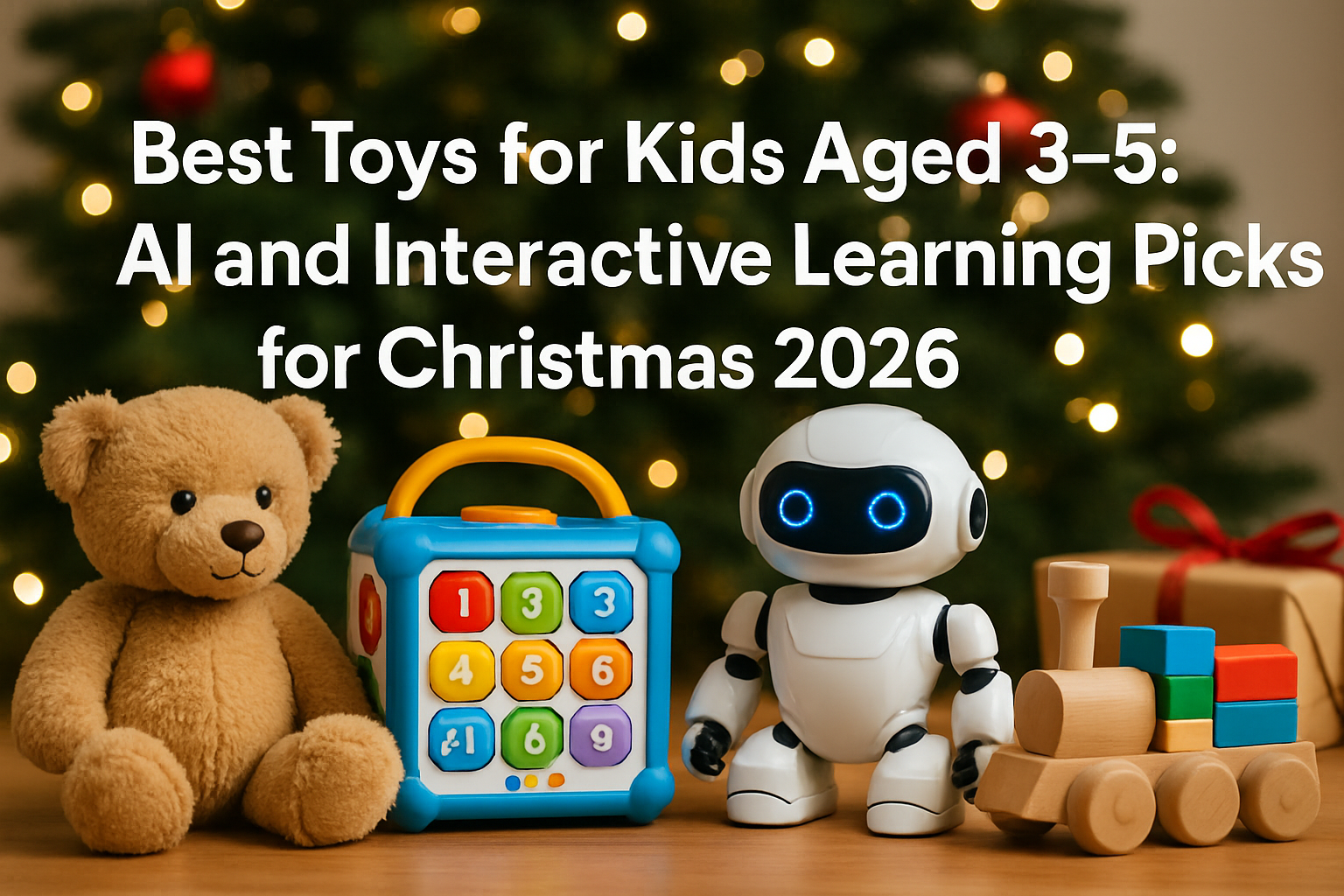

As children navigate the vibrant world of early childhood, the role of play in learning becomes increasingly important. For kids aged 3 to 5, toys function as more than mere sources of entertainment; they are essential tools that stimulate imagination, creativity, and cognitive development. The theme of selecting appropriate toys for this age group centers on balancing fun with educational value, ensuring that playtime also facilitates growth in key developmental areas such as language, fine motor skills, and social interactions.
In today’s technologically advanced age, incorporating AI and interactive learning elements into toys is transforming how children engage with their environment. As they explore these interactive toys, kids not only play but also learn valuable skills, enabling them to grasp concepts that will set the foundation for future learning. Understanding how AI can tailor interactions based on a child's skill level and responses makes it increasingly essential for parents and caregivers. The thoughtful selection of such toys can significantly enhance early learning experiences, making educational play a captivating adventure for preschoolers.
Ultimately, the right toys can foster an enriching environment that promotes curiosity and exploration. By prioritizing AI technologies and interactive features within toys, caregivers can ensure that children experience learning during their formative years in an engaging and impactful manner. This combination of learning and play underlines the necessity for parents to focus on educational toys that are both entertaining and developmentally beneficial for this specific age group.
In 2026, the significance of educational toys takes on new dimensions as trends in children’s play evolve. As families and caregivers become more discerning shoppers, the market reflects a growing desire for toys that support skill development while keeping children engaged. Parents seek out toys that not only entertain but also enrich learning experiences, reinforcing their commitment to holistic childhood education. The awareness around the importance of educational value in toys aligns with evolving societal values that prioritize childhood development in the early years.
Interactive learning toys play a pivotal role in aiding the developmental phases of preschool children. These toys often incorporate features that allow children to engage with various learning scenarios, adapting to their pace and preferences. Such toys can help children learn basic concepts like letters, numbers, and even social cues through cooperative play and problem-solving activities. This focus on interactive learning helps children build essential competencies while having fun, making them more effective than traditional passive learning methods.
Moreover, the continuous integration of AI technologies in the toy industry supports a more personalized learning journey for preschoolers. As they interact with these toys, children receive instant feedback that can guide their learning process. This real-time engagement not only captivates their attention but also empowers them to explore concepts deeply, enhancing their grasp of foundational skills. Thus, the landscape of toy selection in 2026 emphasizes the necessity for toys that combine playfulness and educational impact, ensuring that children are well-equipped for the challenges of future learning.
Toys designed for children aged 3 to 5 should prioritize educational value woven seamlessly into play. This age group thrives on learning through engaging activities that stimulate their imaginations and encourage exploration. Incorporating elements like puzzles, building blocks, and art supplies can provide an excellent foundation for cognitive development. These activities not only entertain but also introduce basic concepts such as shapes, numbers, and letters, laying the groundwork for future learning. By choosing toys that require problem-solving and creative thinking, caregivers can foster a love for learning from a young age.
Moreover, toys that support both cognitive and motor skill development play a significant role in a child’s growth during this crucial phase. Fine motor skills, essential for tasks like writing and self-care, can be nurtured through toys that require manipulation, such as lacing beads or small construction sets. Simultaneously, large motor skills can be developed through active play with ride-on toys or climbing structures. By balancing both aspects, caregivers enable children to enhance their physical abilities while enriching their mental faculties, thus providing a well-rounded developmental experience.
Furthermore, toys that encourage imaginative play allow children to explore different roles and scenarios, which is vital for social-emotional learning. Activities like role-playing or dramatic play can help children understand various perspectives and improve their communication skills. In these moments, they learn to express themselves, share, and cooperate with peers. Therefore, selecting toys that incorporate educational value not only makes playtime enjoyable but also purposeful in building essential life skills.
When selecting toys for children aged 3 to 5, safety and age appropriateness are paramount. Toys must be constructed from non-toxic materials that ensure the health and well-being of young children. Given their tendency to explore the world with their mouths, it is crucial that any toys are free from harmful chemicals and small parts that could pose a choking hazard. Additionally, durable construction is key; toys should withstand rigorous play without breaking, which can lead to potential injuries. By prioritizing safety, caregivers can provide a worry-free environment for imaginative exploration.
Designs specifically tailored to the developmental stages of 3 to 5-year-olds significantly enhance the play experience. At this age, children exhibit various physical and cognitive abilities, which require carefully considered toy designs. For instance, toys should be appropriately sized for little hands and encourage coordinated movements. Features like soft edges, lightweight materials, and rounded shapes further ensure that they are safe for enthusiastic play. Additionally, toys that adapt to various developmental levels can grow with the child, allowing them to explore different skills as they progress.
In summary, ensuring a toy is safe and developmentally appropriate not only protects children but also enriches their play experiences. When children feel secure with their toys, they can fully immerse themselves in play, learning, and discovery. Therefore, caregivers should prioritize these characteristics when selecting toys, ensuring they meet the unique needs of children during this formative stage of their lives.
AI-powered interactive learning toys are at the forefront of educational play, seamlessly blending technology with traditional learning methods. These toys utilize advanced algorithms and real-time data processing to tailor experiences that cater to individual learning styles and paces. For instance, many AI toys can recognize a child's voice and respond to questions, playing games, or providing assistance on subjects like math and language. This interactive dialogue enhances cognitive engagement, making learning fun and effective.
Furthermore, these innovative toys adapt as children progress, ensuring that they remain challenged without becoming overwhelmed. For example, if a child demonstrates proficiency in a particular area, the toy will adjust by introducing more complex tasks. Conversely, if a child struggles, the toy can simplify content, allowing the child to build confidence and knowledge at a comfortable pace. This adaptability helps in fostering a love for learning, as children are less likely to feel frustrated or bored.
Moreover, many of these toys also integrate social features, connecting children with peers for collaborative learning. This not only promotes social skills but also enriches the learning experience. Parents can track progress through companion apps, gaining insights into their child's development areas that may require additional support. Overall, AI-powered interactive learning toys represent a sophisticated approach to education, merging play with learning in unique and beneficial ways.
Traditional interactive learning toys have stood the test of time, proving to be essential tools for developing creativity and problem-solving skills. These toys often encourage physical interaction and engagement, allowing children to explore concepts such as physics and engineering through hands-on experience. Classic examples include building blocks that foster spatial awareness and puzzles that enhance critical thinking. These types of play stimulate a child’s imagination and promote independent thought.
In addition to blocks and puzzles, role-playing sets provide another avenue for interactive learning. These sets encourage children to step into various roles, such as a chef, doctor, or space explorer, igniting their creativity and improving their communication skills. This kind of imaginative play is vital for social development, as it teaches children about empathy, cooperation, and perspective-taking. Through role-play, children can experiment with different scenarios, learning to navigate diverse social situations.
Furthermore, traditional toys are often designed to be simple and durable, promoting long-term play value. Unlike their digital counterparts, they require no batteries and can often be enjoyed without the distractions of screens. This simplicity allows for deeper, more sustained engagement, as children are encouraged to use their imaginations instead of passively consuming content. The tactile experience offered by these toys cannot be understated; they instill a sense of accomplishment and pride as children manipulate physical objects to create and explore their environments. Overall, traditional interactive learning toys remain a vital part of childhood development, complementing modern educational tools beautifully.
One of the most significant advantages of AI and interactive learning toys is their ability to enhance cognitive development in children. These toys often include features that challenge young minds to solve problems, stimulating critical thinking and analytical skills. By presenting puzzles, riddles, or logic-based challenges, children learn to approach problems methodically. This kind of engagement supports the development of vital problem-solving skills that they will utilize in real-world situations.
In addition to improving problem-solving abilities, interactive learning toys foster creativity and imagination in young users. Many toys are designed to encourage open-ended exploration, allowing children to envision scenarios and invent solutions. For instance, a toy that encourages building structures can lead to imaginative play scenarios, where children create elaborate stories around their constructions. This imaginative play not only entertains but also nurtures creativity, which is essential for cognitive growth and artistic expression.
Moreover, as children interact with these toys, they are also prompted to think outside the box. This encourages diverse ways of thinking and understanding that can enhance their cognitive flexibility. Adapting to the different outcomes of their interactive experiences helps children learn resilience and adaptability, important traits in navigating through challenges in both educational settings and everyday life.
AI and interactive learning toys also play a vital role in developing social skills among children. These toys often require cooperative play and interaction, prompting children to communicate effectively with their peers. Engaging in shared activities encourages teamwork, negotiation, and compromise, which are essential skills in any social context. As children collaborate on tasks or challenges, they learn to express their ideas, listen to others, and work towards common goals.
Furthermore, interactive learning toys can build emotional intelligence by presenting children with scenarios that require empathy and emotional understanding. Many toys simulate real-life situations in which children must interact with characters or other players, aiding them in recognizing and interpreting emotions. This exposure allows young users to practice emotional regulation and understand the perspectives of others, forging deeper connections with their peers.
In addition to facilitating cooperative play, interactive toys can also provide a safe space for children to explore social dynamics. Through role-playing and scenario-based learning, they can experiment with different social roles and learn appropriate responses to various social situations. This kind of play is invaluable for developing the skills necessary to navigate friendships and peer relationships, helping children become confident and competent social beings.
Selecting the right toys for children involves more than just appealing packaging or flashy designs. Parents must take time to understand their child's unique interests and preferences. Observations of playtime can reveal what captivates a child's attention—whether it's building blocks, puzzles, art supplies, or toys that encourage imaginative play. Engaging with children during play can provide insight into their thought processes, social interactions, and areas of enthusiasm. This understanding can inform more effective toy choices, ensuring that the selections resonate with the child's personality and developmental stage.
Furthermore, assessing developmental milestones is essential in guiding toy selection. Different toys stimulate various skills and developmental areas, such as fine motor skills, cognitive ability, and social skills. For example, a toddler may benefit from toys that enhance hand-eye coordination, while older children may thrive on puzzles or games that challenge their problem-solving abilities. By familiarizing themselves with developmental milestones, parents can choose toys that not only entertain but also foster growth in essential areas. Matching toys to these milestones can help parents avoid overwhelming their children with toys that may be too advanced or not engaging enough.
It's also vital for parents to consider safety and age appropriateness when selecting toys. Consultation with guidelines from pediatric associations can provide significant insights into suitable toys for different age groups. These guidelines often include considerations regarding choking hazards, small magnets, and other safety concerns. Ensuring that toys are age-appropriate also involves checking for non-toxic materials, ensuring that they are free from harmful chemicals and suitable for children’s use.
When it comes to evaluating the quality and educational content of toys, parents should adopt a critical lens. High-quality toys are often those that encourage creativity, problem-solving, and skill development. Parents might look for toys that serve multiple purposes, allowing for open-ended play that can evolve over time. This does not only enhance the longevity of the toy but also keeps children engaged for more extended periods. Additionally, authentic educational toys typically align with national educational standards and promote skills such as critical thinking and collaboration.
To effectively identify suitable toys, parents can turn to reputable resources. Many parenting websites, child development blogs, and educational institutions provide curated lists of toy recommendations based on developmental stages and educational value. Workshops or seminars in local communities may offer hands-on demonstrations of toys, enabling parents to assess how their children interact with different options. Additionally, participating in parenting groups can offer insights and shared experiences, which can guide parents in their toy selection journey.
Furthermore, reviews and feedback from other parents can be a helpful resource during the toy-selection process. Listening to collective experiences can provide valuable perspectives, revealing the pros and cons of various toys. Engaging with local parent groups or online forums can lead to discussions that highlight toys that have genuinely impacted children's learning and enjoyment. Ultimately, parents should combine research with personal observations to make informed toy selections that cater to their child’s individual needs while encouraging exploration, creativity, and developmental growth.
The integration of artificial intelligence in interactive learning toys has revolutionized the way children engage in play. These toys not only entertain but also foster cognitive development and enhance learning experiences. By adapting to a child's unique learning style, AI-driven toys provide personalized challenges that keep children engaged longer. This tailored approach cultivates critical thinking, problem-solving skills, and creativity, laying a solid foundation for future academic success. The growing emphasis on interactive play signifies a transformative shift in how we perceive educational tools, proving that play can be synonymous with learning.
As the holiday season approaches, parents and caregivers are presented with a unique opportunity to enrich children's play experiences. Selecting interactive learning toys during this festive period can create unforgettable memories while also fostering essential skills. These toys serve as tools that encourage exploration and curiosity, stimulating young minds in ways traditional toys cannot. By investing in these innovative playthings, families not only celebrate the joy of the season but also empower children with knowledge and skills that will benefit them in their educational journey.
Moreover, the importance of balancing technology with traditional play cannot be overstated. While interactive toys offer remarkable benefits, they should complement, not replace, unstructured playtime. Activities that promote creativity, physical movement, and social interaction with peers are irreplaceable. Thus, finding harmony between tech-driven play and classic play methods will ensure children develop well-rounded skills and maintain a healthy relationship with technology.
Emerging trends in interactive learning toys illustrate a bright future for the play industry. The advent of augmented reality (AR) and virtual reality (VR) technologies promises to create immersive experiences that blend physical and digital play. Children can explore new worlds, interact with characters, and solve challenges that were once only imaginable. These advancements offer exciting avenues for learning, making education more dynamic and accessible to young minds. Manufacturers are responding to this demand by developing toys that prioritize engagement through interactive features, ensuring that children remain captivated as they learn.
Additionally, the role of technology continues to escalate in shaping early childhood play. With the rise of smart toys powered by AI, parents should be mindful of not merely the entertainment value but also the developmental benefits these toys offer. As technology becomes an integral part of children’s lives, discerning the right educational tools is vital. Parents are encouraged to consider the developmental milestones these toys aim to support, choosing options that align with their child's interests and curiosities.
As we look ahead, it will be fascinating to observe how the realms of education and play intertwine further, creating a future where learning is seamlessly integrated with fun. The evolution of interactive learning toys is just at its beginning stage, paving the way for continuously enriching experiences for young children. With careful consideration and a focus on fostering curiosity, parents can harness these technological advancements to provide lasting and impactful play experiences for their children.



Introduction and BackgroundOverview of the User Task/QueryAs children navigat...

Introduction and BackgroundOverview of the User Task/QueryAs children navigat...