25 Coolest Gifts for Grandchildren in 2026
IntroductionThe holiday season brings an unparalleled wave of excitement, as ...

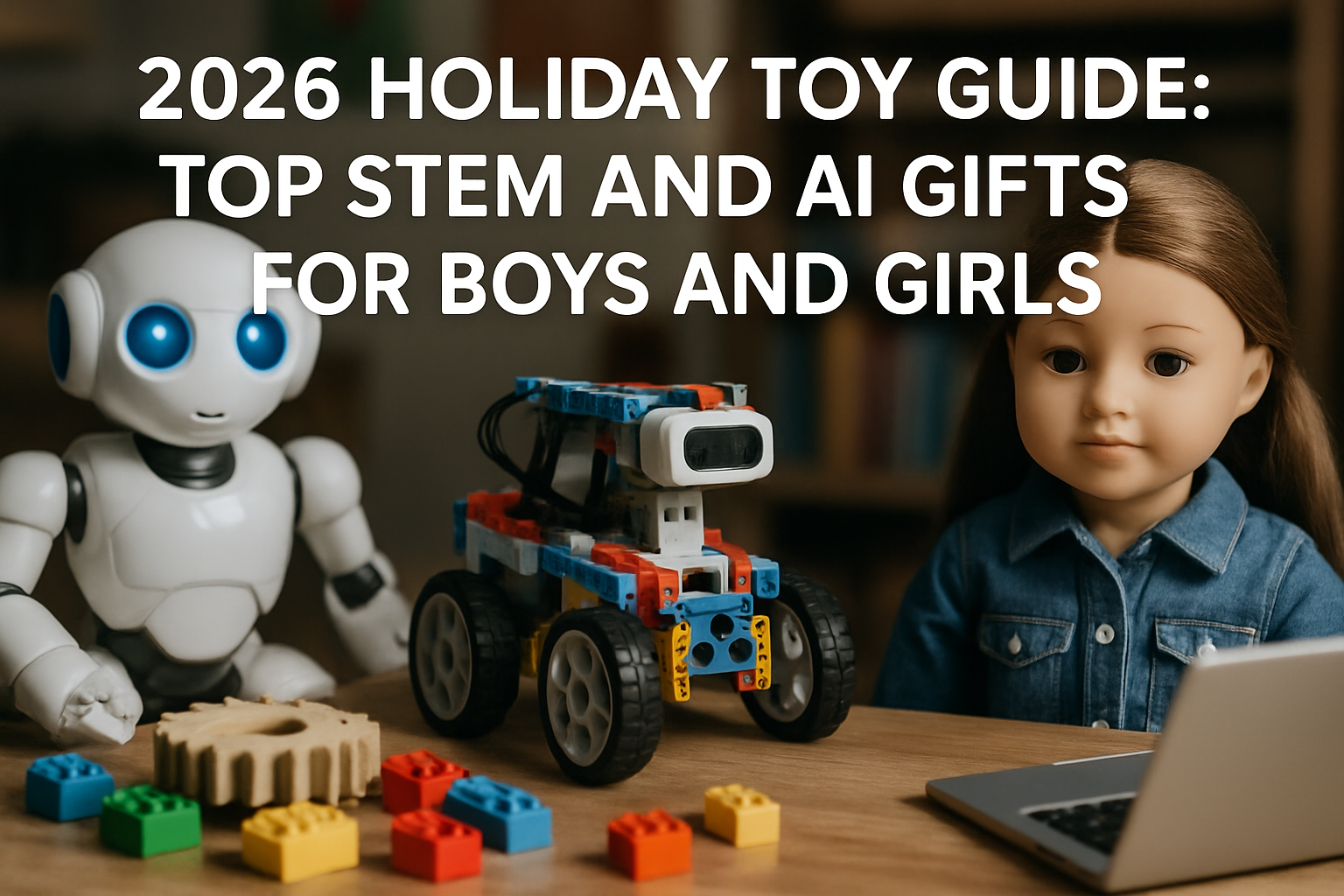

The holiday season brings an unparalleled wave of excitement, as families gather to celebrate and exchange gifts. This time of year also sets the stage for shifting trends in the world of toys, with each new season unveiling innovative ideas that capture the imaginations of children and parents alike. As manufacturers aim to keep up with these evolving preferences, it becomes essential for consumers to stay informed about the emerging trends that shape the market. Understanding what toys engage children and foster their learning is vital for making educated purchasing decisions that benefit both kids and educators.
In today’s rapidly evolving educational landscape, the emphasis on Science, Technology, Engineering, and Mathematics (STEM) and Artificial Intelligence (AI) has never been stronger. These fields are not just vital for future job markets; they form the foundation of critical thinking skills that children will need as they navigate an increasingly complex world. By integrating STEM concepts and AI into early education, parents can ensure their children are not only prepared to meet the challenges ahead but are also engaged in a learning process that is stimulating and fun.
STEM focuses on science, technology, engineering, and mathematics—the disciplines that drive innovation and progress in various fields. AI, on the other hand, refers to technology that enables machines to mimic human cognitive functions, such as learning and problem-solving. Teaching these subjects from an early age can spark curiosity, promote analytical skills, and create pathways for children to explore careers in high-demand industries. The importance of embedding these ideas within toys can’t be overstated, as they serve as not just playthings but as tools that cultivate a lifelong love for learning and discovery.
As we look toward the 2026 holiday season, several captivating trends are emerging in the toy industry. One significant trend is the rise in popularity of sustainable toys. Consumers are increasingly gravitating towards products made from recycled materials. Parents and guardians are more conscious than ever about the environmental impact of their purchases and prefer toys that align with their values. This inclination not only reflects a commitment to sustainability but also sets a precedent for future generations to prioritize eco-friendly choices.
In addition, the emphasis on educational toys that promote Science, Technology, Engineering, and Math (STEM) learning is increasingly evident. These toys are designed to stimulate creativity and critical thinking among children. As the importance of STEM education becomes more pronounced in our society, parents are seeking toys that not only entertain but also impart valuable skills. This trend is likely to continue growing, encouraging manufacturers to innovate and design products that effectively blend play with learning opportunities.
Furthermore, the growth of smart toys highlights a burgeoning intersection between play and technology. These innovative toys incorporate interactivity, allowing children to engage in ways that traditional toys cannot. Smart toys, often connected to apps or the internet, offer personalized experiences and adaptations as children play. This trend reflects a broader shift towards integrating technology into everyday life, and toys are no exception. As families embrace technology, the demand for smart toys that offer both fun and educational experiences is set to rise.
Understanding consumer behavior is essential as the toy market evolves. One notable insight is that consumers are increasingly researching toys before making purchases. This trend signifies a shift towards informed buying, where parents invest time in comparing different products and reading reviews. With numerous resources available online, consumers feel empowered to choose toys that offer the best value, safety, and educational benefits. This comprehensive research phase reflects a commitment to ensuring their children receive toys that are not only enjoyable but also beneficial for their development.
Additionally, there has been a clear shift in shopping preferences from traditional retail to online platforms. More families are finding convenience in e-commerce, allowing them access to a wider variety of products outside of local offerings. This change has accelerated during recent years, driven by the ease with which consumers can browse, compare, and purchase toys online. Retailers need to adapt to this trend by enhancing their online presence and ensuring that the shopping experience is seamless and user-friendly.
Social media also plays a significant role in shaping current toy trends. Platforms like Instagram and TikTok are becoming influential marketing tools, where parents discover toy recommendations and trends through viral content. User-generated content, including reviews and unboxing videos, offers authentic insights that sway purchasing decisions. As such, the toy industry must acknowledge the importance of social media influencers who can impact brand perception and consumer choices. Thus, harnessing these platforms effectively is vital for staying relevant and addressing the evolving dynamics of consumer engagement in the toy market.
The realm of educational toys continues to grow, with 2026 showcasing an impressive selection of STEM and AI toys designed to captivate young minds. Each of these toys embodies a unique educational philosophy and approach, making them not only fun but also pivotal in fostering learning. For example, some toys integrate coding and robotics, offering hands-on experience with technology. This kind of engagement not only entertains but also lays the groundwork for future skills in a rapidly evolving tech landscape.
The target age groups for these toys range broadly, accommodating early learners all the way up to pre-teens. Many toys are designed with adaptable difficulty levels, allowing children to explore basic concepts of engineering and computation before progressing to more complex challenges. This age flexibility ensures that each child can find a toy that not only suits their skills but also inspires curiosity. Moreover, parents often highlight their children's excitement and enthusiasm, indicating strong user interest and satisfaction.
Unique features abound in these toys, with some introducing interactive elements that prompt children to think critically and solve problems. Benefits include enhancing cognitive skills, improving fine motor abilities, and fostering collaboration through group play. User ratings reflect high levels of engagement, suggesting children not only use these toys regularly but also enjoy every moment spent learning. Overall, these picks represent a diverse array of educational tools that combine fun and functionality.
In assessing the best STEM and AI toys for 2026, several criteria guide their selection. First and foremost is the educational value – toys should provide children with meaningful learning experiences, ideally linked to the core principles of science, technology, engineering, and mathematics. This foundation reflects the changing demands of education, where practical knowledge is increasingly valued.
Age appropriateness is another vital consideration. Toys must be suitable for the intended age group, addressing varied developmental stages and learning abilities. Engaging younger children with simpler tasks that encourage exploration and experimentation is essential, while older kids benefit from more challenging elements that stimulate advanced learning.
Finally, the engagement factor plays a crucial role. Toys that captivate children's interest tend to sustain their attention for longer periods. This involvement seamlessly integrates learning with play, making educational concepts more accessible. Diversity of skills is also essential; ideally, toys should address multiple disciplines or ideas, ensuring a well-rounded developmental experience. By blending these criteria, the selected toys become holistic educational tools that inspire future generations.
An overview of popular STEM toys for 2026 reveals a diverse landscape tailored to both boys and girls. These toys are crafted with inclusivity in mind, ensuring that every child can find something that resonates with their interests. Notably, many toys encourage collaborative play, which not only promotes teamwork but also enhances social skills. Learning can be so much more effective when children engage with their peers, sharing ideas and approaches to problem-solving.
These toys actively stimulate interest in STEM subjects by presenting challenges that require critical thinking and creativity. For instance, toys that combine building and programming ignite a passion for engineering and software development. Children are motivated to explore concepts in physics and coding, often through trial and error, which is a powerful learning method. The satisfaction derived from overcoming a challenge fosters a love for innovation and exploration that can last a lifetime.
Furthermore, toys that integrate storytelling and imaginative play into STEM learning create a richer experience. Engaging narratives can transform abstract concepts into relatable scenarios, making complex ideas more digestible for younger audiences. Such methods not only cultivate a strong foundational understanding of STEM but also nurture creativity, ensuring that the next generation of thinkers is well-equipped for the future.
The rise of AI in education is transforming how children learn, with a variety of AI educational toys emerging as popular gifts in 2026. These toys typically include features that engage kids in learning activities centered on math, language, and problem-solving. For instance, some toys use speech recognition to encourage language development, enabling children to interact with them in meaningful ways. This immediate feedback helps children track their progress and feel accomplished as they master new skills.
Other examples of popular AI educational toys focus on personalized learning experiences. These toys adapt to each child's individual pace, allowing exploration without the fear of making mistakes. By adjusting the difficulty level based on performance, they ensure kids remain challenged yet not overwhelmed. This tailored approach to education is crucial, particularly as children develop their unique learning styles and preferences.
Support for skill development is a key benefit of AI toys, particularly in critical areas such as math and language. Interactive features may include engaging games and quizzes that guide children through various concepts while keeping them entertained. Through these experiences, children can develop their cognitive abilities, paving the way for future academic success. As AI continues to evolve, its integration in educational toys will only become more sophisticated, leading to even richer learning opportunities for young learners.
The 2026 holiday season is set to showcase an interesting array of gift categories that reflect the evolving needs and preferences of consumers. Among these, toys stand out as a popular choice. Parents and caregivers are increasingly seeking toys that not only entertain but also educate and inspire creativity. The toys of 2026 are likely to focus on STEM (science, technology, engineering, and mathematics) concepts, encouraging children toward problem-solving and innovative thinking. Toys that blend fun with learning will capture the attention of parents looking to provide their children with enriching experiences.
Another significant trend shaping the gift-giving landscape in 2026 is the emphasis on sustainability and eco-friendliness. More individuals are prioritizing gifts that have minimal environmental impact, contributing to a global movement towards responsible consumption. Eco-friendly toys made from sustainable materials will likely be in high demand, as consumers seek options that reduce waste and promote a healthier planet. Gifts that incorporate recycled materials or support regenerative practices not only appeal to the eco-conscious shopper but also offer a profound storytelling element, connecting the buyer to a larger mission.
In addition to sustainability, innovative and technology-driven gifts are expected to lead the way. As technology continues to evolve, consumers are looking for products that enhance their daily lives. This may include smart gadgets that integrate seamlessly into home environments or interactive toys that incorporate augmented reality. Gifts that combine creativity with advanced technology are particularly exciting, offering a unique user experience. Whether it's through engaging apps or immersive learning tools, gifts in this category are bound to captivate recipients of all ages.
In a world where typical gifts may fall short, quirky and fun gifts are emerging as a popular option for those looking to stand out. Unique gifts that offer a sense of whimsy or humor can evoke joy and create memorable experiences for both the giver and the receiver. Consider gifts that weather the conventional route—like custom-made items that tap into personal interests or hobbies. These personalized gifts not only show reflection and thoughtfulness but often become cherished keepsakes that carry sentimental value. Unique, unexpected elements in these gifts can elevate standard offerings into something extraordinary.
Additionally, luxury gifts and experiences are also gaining traction, especially as consumers look for ways to indulge their loved ones. The focus has shifted toward personalization in luxury, meaning gifts can now be tailored specifically to an individual's tastes and preferences. This might include curated experiences like private dinners or bespoke travel plans, allowing for unforgettable moments that transcend physical items. Such gifts convey a deep level of consideration and care, making them not just presents but lasting memories.
As the holiday season approaches, expect to see a variety of gift options that blend the quirky and luxurious, creating a dynamic mix that caters to diverse tastes. The blend of iconic, innovative products with experience-oriented gifts represents an overarching shift in how we perceive and express generosity. Ultimately, the most engaging gifts in 2026 will resonate on personal levels, cultivating meaningful connections and joyous celebrations.
STEM and AI toys are designed to challenge children in ways that foster analytical thinking and creativity. These toys often present scenarios that require players to engage in critical thinking. For instance, a toy that mimics real-world problems, such as navigating an obstacle course or programming a robot, forces children to devise strategies and think logically. Each challenge demands that they analyze information, identify solutions, and implement strategies—skills essential for both academic success and everyday life.
Moreover, the hands-on nature of these toys allows children to experiment, take risks, and make mistakes in a safe environment. This experimentation is crucial, as it encourages a trial-and-error approach that helps children learn how to adapt their strategies based on outcomes. An example might be a building set that introduces the principles of physics. As they build, children must modify their designs to ensure stability, engaging in problem-solving that enhances their understanding of complex concepts.
Through these interactions, STEM and AI toys promote deeper learning experiences. Children are not merely passive recipients of information; they actively engage with their environment and the challenges presented. By encouraging them to consider various approaches to a problem, these toys nurture creativity and enhance cognitive flexibility, preparing them for future challenges they may face in academics and life.
In addition to enhancing critical thinking, STEM and AI toys also serve as powerful tools for promoting teamwork and collaboration. When children engage with these toys in small groups, they learn the value of working together towards a common goal. Collaborative play often involves dividing responsibilities, sharing ideas, and communicating effectively, which are essential skills for social interaction and cooperation.
For instance, when children work together on a building project or a robotics challenge, they must rely on each other's strengths. One child might excel at design while another is great at problem-solving. This distribution of roles reinforces the importance of collaboration. As they navigate challenges collectively, they learn to appreciate diverse perspectives and develop important interpersonal skills like negotiation and conflict resolution.
The impact of teamwork on learning outcomes is significant. Research has shown that collaborative play can lead to better retention of concepts and improved engagement. Children who participate in team-oriented activities tend to develop social skills and a sense of belonging, which enhances their overall learning experience. Encouraging children to work collaboratively with STEM and AI toys teaches them that success is often a collective journey rather than an individual one.
The role of STEM and AI toys in building self-esteem and resilience is profound. As children encounter and overcome challenges presented by these toys, they begin to realize their capabilities. Each success, no matter how small, contributes to a child's sense of achievement and confidence. Conversely, when they face setbacks, these toys provide a safe space for children to learn persistence and resilience.
For example, when a child struggles to complete a challenging puzzle or fails to make their robot function as intended, they are presented with an opportunity to reassess their approach and try again. This iterative process nurtures a growth mindset, helping children understand that failure is a part of learning. Instead of becoming discouraged, they can celebrate their efforts to solve problems, enhancing their self-esteem when they eventually succeed.
As they build their confidence, children begin to take on new challenges eagerly. STEM and AI toys encourage them to explore new concepts without the fear of failure. This positive reinforcement creates a cycle of motivation, where children become more willing to tackle complex problems and engage in tasks that require higher-order thinking. Ultimately, the skills gained from navigating these challenges contribute significantly to their development into capable and resilient individuals ready to face future adventures.
Experts in the field of educational toys advocate for specific STEM and AI toys that promote critical thinking, creativity, and problem-solving skills. Many experts recommend toys that integrate technology with hands-on learning experiences. For instance, toys that facilitate robotics or coding engage children in real-world applications of science, technology, engineering, and mathematics. These toys not only inspire curiosity but also provide a tangible way for children to explore concepts they may later encounter in academic settings.
When selecting effective educational toys, experts suggest considering several key criteria. First and foremost, the toy should encourage open-ended play, allowing children to explore multiple outcomes and solutions. Additionally, it should be age-appropriate to ensure that the content and challenges are suitably matched to a child's developmental stage. Toys that offer varying levels of difficulty can be beneficial, as they grow with the child and encourage continuous learning. Finally, experts emphasize the importance of toys that promote social interaction, as collaboration with peers enhances the overall learning experience.
Furthermore, the durability and safety of educational toys are paramount in expert recommendations. Toys should be made from non-toxic materials and passed thorough safety standards. Experts also suggest that parents look for toys with instructional materials that are clear and engaging. Well-designed packaging and user guides can significantly impact a child's overall engagement with the toy. Ultimately, the best educational toys stimulate a child's natural curiosity while providing a safe environment for exploration.
As technology advances, emerging innovations continue to impact the design and functionality of STEM and AI toys. One notable trend is the integration of augmented reality (AR) and virtual reality (VR) elements, which enhance immersive learning experiences. These technologies allow children to interact with digital components in a real-world context, making complex concepts more accessible and engaging. Additionally, the rise of artificial intelligence can personalize learning experiences, adapting challenges based on a child’s performance and interests. Such innovations point towards a future where toys serve not only as entertainment but also as advanced educational tools.
Ethical considerations in toy design are gaining traction as well. Experts are calling for transparency in how data collected from toy interactions is used, particularly with products that incorporate AI. Parents are becoming increasingly aware of privacy issues and are looking for toys that respect their child's data. The ethical manufacturing of toys is also becoming significant, with many advocating for sustainable materials and practices in production. This focus on ethics not only appeals to conscientious consumers but also fosters a dialogue around responsibility in toy production.
Moreover, educational policies will likely continue to shape the dynamics of STEM toy production. As schools emphasize STEM curricula, there will be increased collaboration between educators and toy manufacturers. Policies encouraging hands-on learning and the integration of technology in education will drive demand for innovative toys that synchronize with classroom learning. This synergy will lead to a new generation of toys specifically designed to complement educational standards, ensuring children not only enjoy their play but also benefit from it academically.
Choosing the right STEM and AI toys involves more than just picking the latest trend. An essential first step is ensuring that the toys are safe for children. Evaluating safety ratings and certifications can help you determine whether a toy meets necessary safety standards. Many organizations provide safety ratings for children's products, so it’s important to look for those labels when making your selection. Understanding the certifications that Toys receive can dramatically impact your decision-making. Toys should be free from toxic materials and designed to prevent choking hazards, especially for younger children.
When conducting research on the quality of toys, consider checking reviews from reputable sources and looking for insights from parents who have purchased similar items. User experiences often highlight safety issues or practical concerns that may not be evident through official ratings. Engaging in forums or parenting groups can also provide useful perspectives. Researching a toy’s construction quality is equally important; durable materials lead to longer-lasting enjoyment and educational benefits.
Once you have considered safety, the next step is to explore the educational value of the toys. STEM and AI toys should not only entertain but also foster skills such as critical thinking, problem-solving, and creativity. Look for toys that encourage interaction and exploration, enabling children to understand complex concepts practically and enjoyably.
The ideal STEM and AI toys can differ dramatically based on age groups. For toddlers, toys that promote sensory skills and motor development are essential. Simple building blocks, shapes sorters, and interactive plush toys can introduce fundamental STEM concepts through exploration and play. At this age, the goal is primarily to ignite curiosity while ensuring safety and ease of use.
As children transition into preschool, toys that incorporate simple coding tasks or basic engineering challenges begin to be suitable. Toys that allow children to stack, balance, and create basic structures encourage early problem-solving skills. Interactive games designed for group play can also be beneficial. These toys should combine fun with educational tasks, promoting teamwork and communication excellence.
In early elementary years, children are ready for more complex STEM and AI toys that engage their critical thinking and innovation. Kits for simple robotics, basic programming activities, and science experiments can be introduced at this stage. These toys can offer structured challenges while still allowing room for creativity. Finally, for teens, consider sophisticated robotics sets, advanced coding platforms, and AI-driven projects that align with their growing interests and capabilities. These toys can significantly enhance their STEM skills while providing a platform to experiment with their burgeoning ideas.
By understanding the specific needs of each age group, you can create a rich educational environment that fosters a lifelong love for learning and exploration in STEM and AI fields.
Sustainability has become a central focus in the toy industry, particularly with the rise of STEM (Science, Technology, Engineering, and Mathematics) and AI (Artificial Intelligence) toys. Manufacturers are increasingly adopting eco-friendly materials in their production processes. These materials often include biodegradable plastics, recycled wood, and non-toxic dyes, which significantly reduce the environmental footprint of toy manufacturing. By using materials that breakdown more naturally, the industry aims to minimize waste that otherwise contributes to pollution and landfill overflow.
In addition to material choices, design strategies play a pivotal role in promoting longevity and sustainability in toys. Many current designs emphasize durability, allowing toys to withstand the rough and tumble play that children often engage in. This focus on durable design reduces the frequency with which toys are discarded, thereby decreasing overall waste. Modular designs are also gaining popularity; such configurations allow kids to transform or repair toys rather than replacing them entirely. Creating products that can adapt and evolve with a child's interests fosters a mindset of sustainability at a young age.
These advancements resonate well with modern consumers, particularly those who prioritize environmental stewardship. This shift reflects a broader trend towards sustainability in consumer behavior across various industries. Toy makers are becoming increasingly aware that transparency in their sourcing and manufacturing processes fosters trust and loyalty among environmentally conscious consumers. Companies committed to sustainability are not just saving the planet; they're also setting themselves apart in a competitive marketplace.
STEM toys are uniquely positioned to enhance children's understanding of sustainability. Through interactive and engaging play, these toys often introduce concepts related to environmental stewardship and energy efficiency. Many STEM educational kits encourage experimentation with renewable energy sources, such as solar power, presenting children with hands-on experiences that solidify these important ideas. By integrating lessons on sustainability into the design and function of the toys, children are more likely to develop a proactive attitude toward environmental issues at an early age.
Successful initiatives that incorporate sustainability principles into toy design can be observed in various programs promoting STEM education. For instance, some projects emphasize creating toys made from recycled materials and include instructions that foster discussion about environmental conservation. By embedding messages about sustainability within the play experience, children learn the vital connection between technology and the environment. This educational approach not only cultivates crucial awareness but also inspires future generations of innovators and problem solvers.
The potential ripple effect of utilizing STEM toys as vehicles for sustainability education is substantial. Children who engage with these toys can become advocates for environmental issues among their peers and families. The conversations sparked by these toys can extend into households, transforming play into a catalyst for meaningful discussions about individual and collective responsibilities toward preserving the planet. As awareness grows, there's an opportunity to cultivate a generation that embraces sustainable practices and technologies, ultimately fostering a culture that prioritizes the health of the environment and the well-being of future inhabitants of Earth.
As we look ahead to the holiday season of 2026, the landscape of toy trends showcases a blend of traditional favorites and innovative new concepts. This year, sustainability has taken center stage, with eco-friendly materials and practices influencing toy design and production. Parents are increasingly seeking out toys that not only entertain but also educate and inspire creativity. Technology continues to play a vital role, with interactive and augmented reality options captivating children's imaginations while enhancing their learning experiences. These trends reflect a growing awareness of the importance of sustainability and educational value in children's playthings.
Final recommendations for parents emphasize the importance of thoughtful toy selection. When choosing gifts, consider the developmental benefits of a toy beyond mere entertainment value. Seek out products that foster critical thinking, problem-solving skills, and creativity. Opt for multi-functional toys that can adapt as children grow, offering more than one way to engage and explore. Additionally, keeping an eye on age appropriateness is key; this ensures that children remain challenged yet not overwhelmed. Look for toys with the potential for prolonged use, as they provide opportunities for ongoing learning and imaginative play.
Moreover, understanding the balance between technology and traditional play is vital. While digital toys can enhance engagement and learning, they should not fully replace hands-on, imaginative play that encourages social interaction and physical activity. Encourage children to explore a variety of toys, from construction sets to arts and crafts, as these foster diverse skills and interests. In short, the holiday season of 2026 presents parents with a unique chance to select toys that are not only fun but also enriching, nurturing the next generation through play that matters.



IntroductionThe holiday season brings an unparalleled wave of excitement, as ...

IntroductionThe holiday season brings an unparalleled wave of excitement, as ...